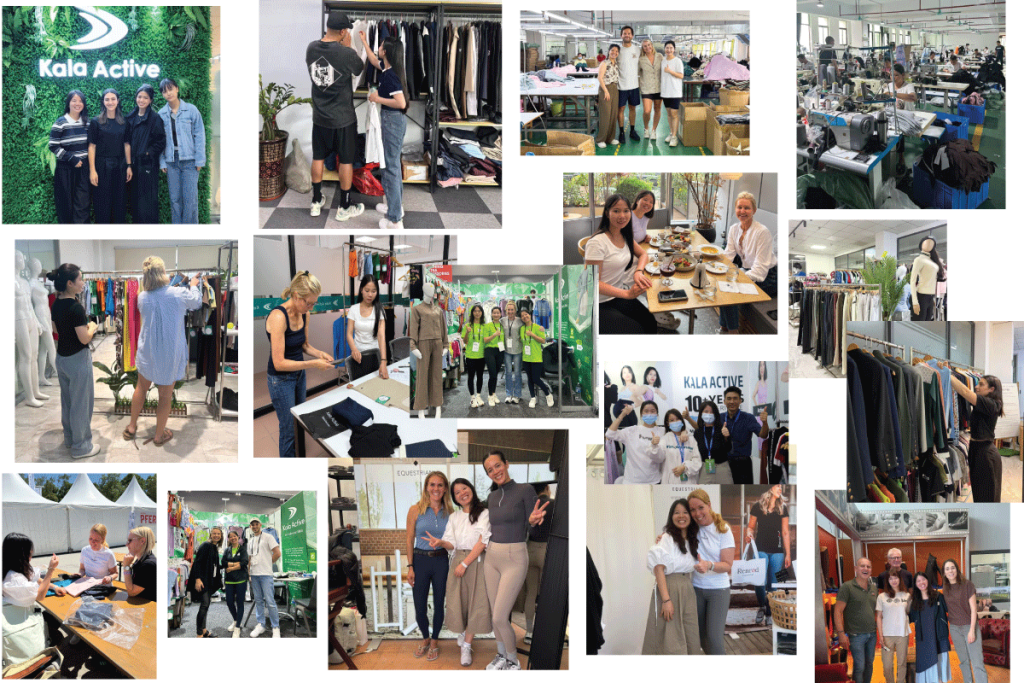
Kala Apparel - 10+ years premium clothing manufacturer
We support equestrian brands with a development experience that is clear, responsive and grounded in real riding needs.
Our OEM service combines technical insight with flexible collaboration, helping teams of all sizes bring reliable products to market.
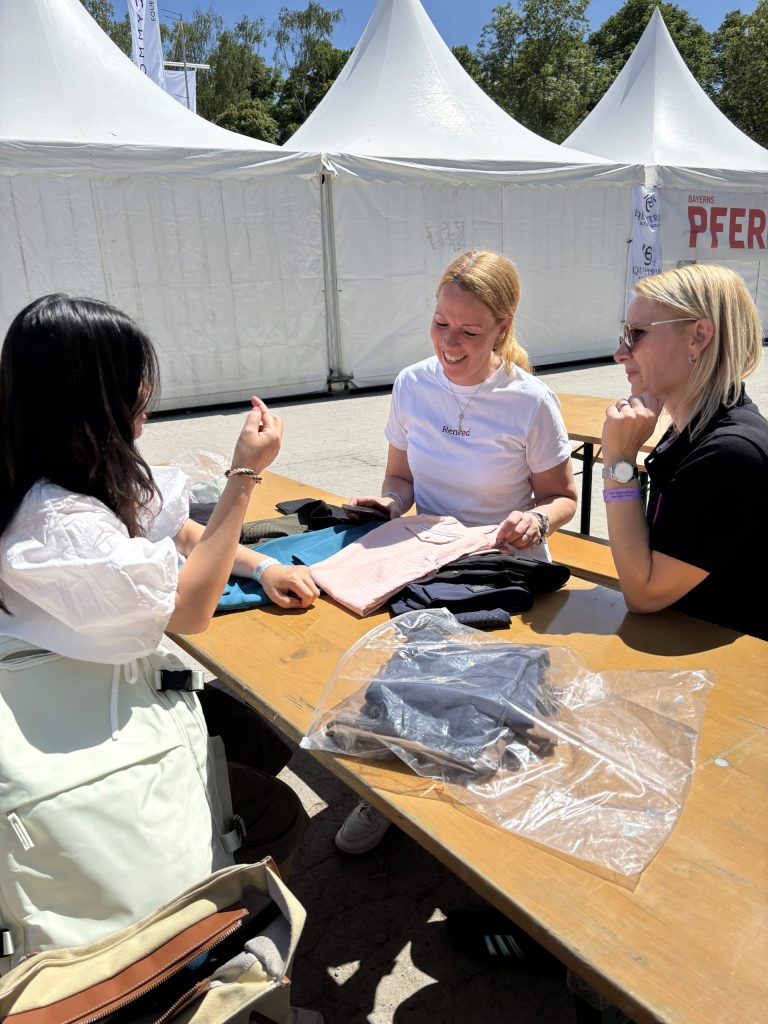
Strong communication is central to the OEM experience. We keep development moving by offering timely updates, clear explanations and structured feedback. Whether you’re refining designs or confirming sample details, you’ll always know what stage your project is in and what comes next.
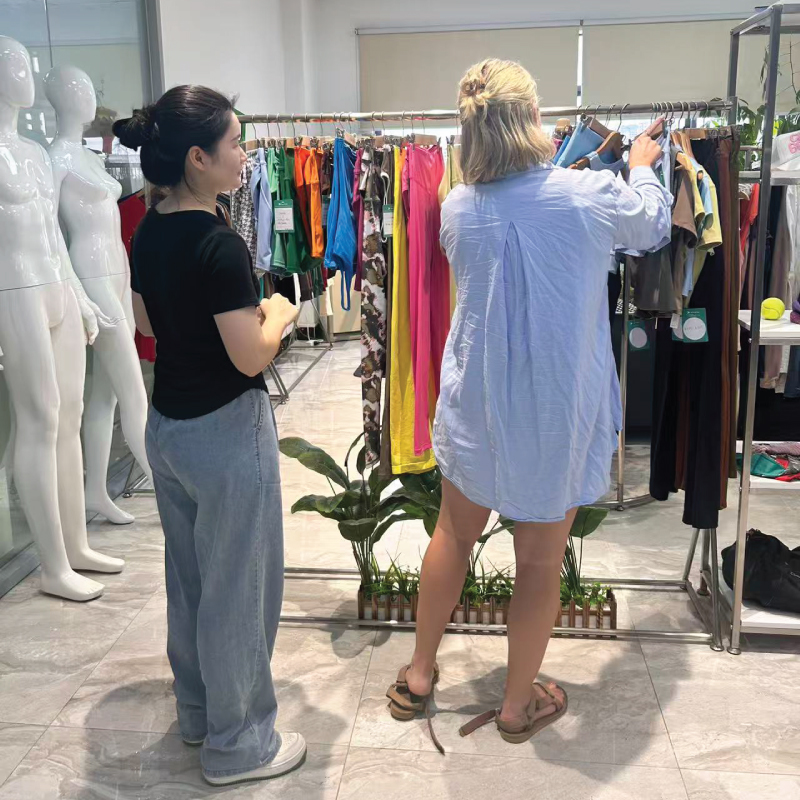
Many equestrian design decisions affect comfort and performance. Our team offers technical input early in development, helping you choose materials, adjust fit or refine functional features with confidence. This guidance reduces unnecessary revisions and supports a smoother development cycle.
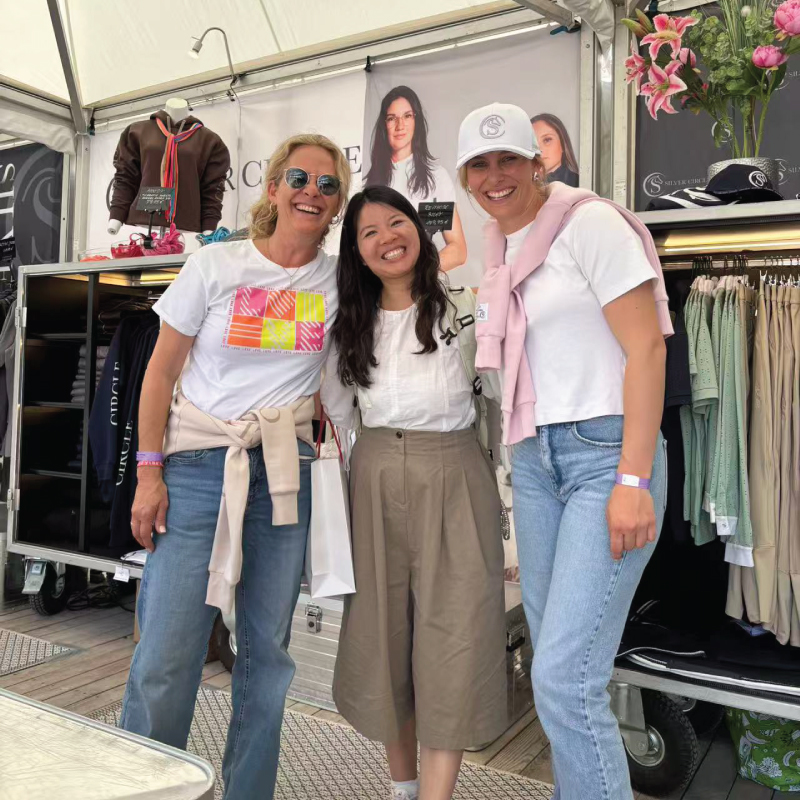
Whether you’re an emerging brand or an established label, we adjust our support to match your workflow and experience level. You can start with a simple idea or a complete technical specification — our goal is to help you build a stable, well-structured product line that grows with your brand.
We work closely with equestrian brands to turn concepts into functional, rider-ready garments. Our development approach focuses on communication, technical insight and supporting you at every stage
As an OEM equestrian clothing manufacturer, our OEM service is designed to reduce uncertainty for brands. Whether you have a complete tech pack or only an initial idea, we help refine materials, functional details and performance goals. Clear communication keeps the process efficient, allowing you to develop products with confidence.
Equestrian garments must perform under real riding conditions, so our development work focuses on technical decisions that influence comfort, stability and durability. We help evaluate fabric behavior, fit considerations and functional details early on to ensure the first samples move in the right direction.
As an OEM equestrian clothing manufacturer, our OEM workflow is designed to make development simple, efficient and transparent. From concept refinement to production, each step ensures your equestrian garments are aligned with real riding performance and brand expectations.
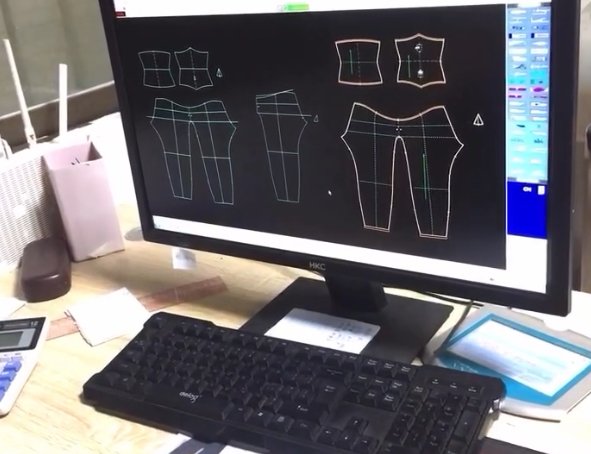
We begin by discussing your ideas, brand positioning and technical goals. Whether you provide a tech pack or just a reference piece, we help identify key functional elements such as fabric needs, grip expectations and riding comfort requirements. This ensures the development starts with clarity and purpose.
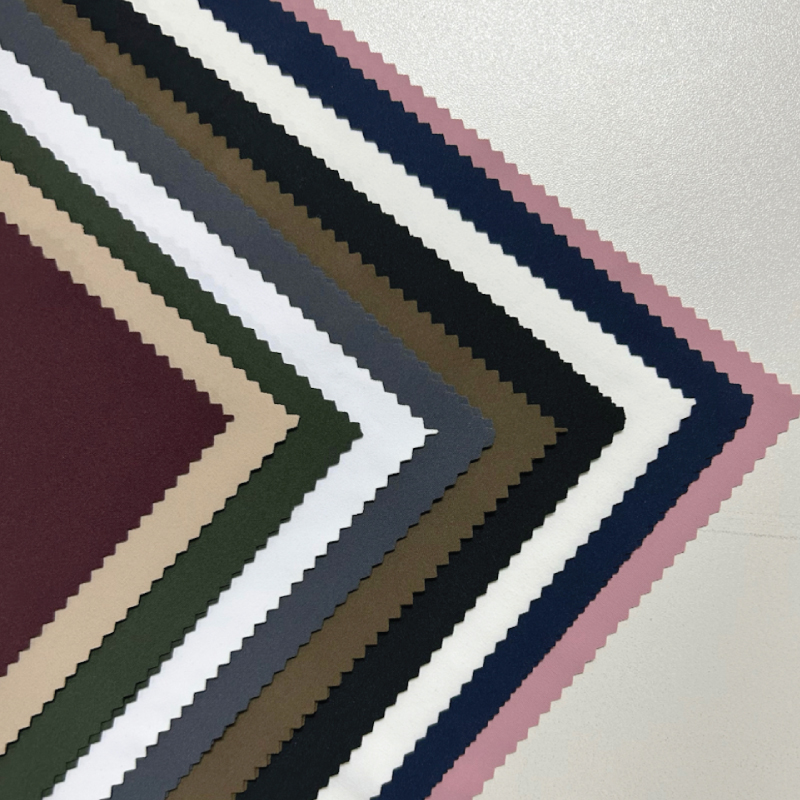
Suggest suitable fabrics for riding conditions
Evaluate stretch, durability, breathability
Select trims compatible with equestrian use
Equestrian apparel requires fabrics that behave well under movement and saddle friction. We guide you through material options and help recommend the best choices for durability, comfort and performance. Trims and accessories are also reviewed to ensure they function properly in riding scenarios.
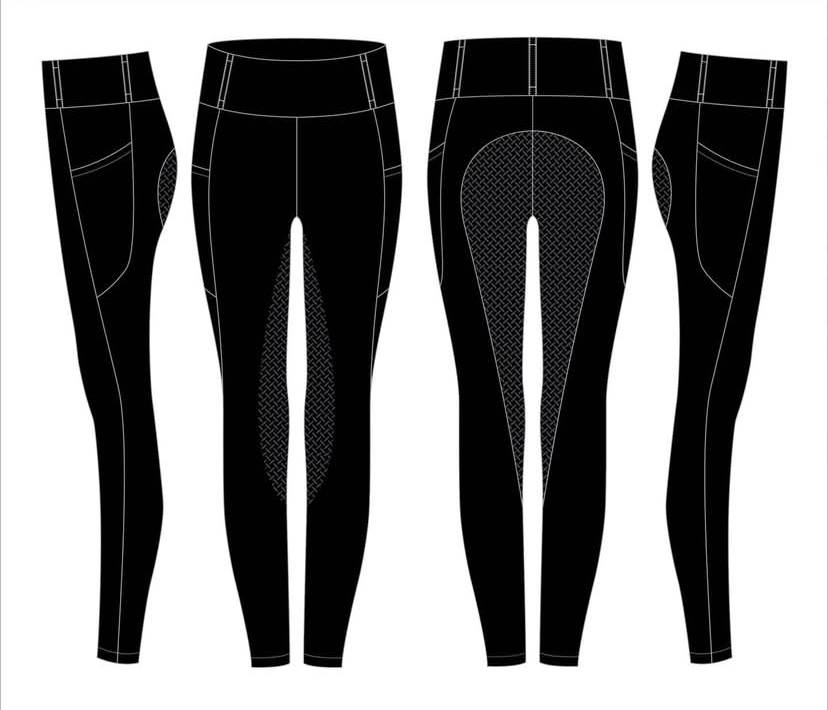
Adjust pattern based on riding posture
Place seams strategically to reduce pressure
Create first physical sample for fit evaluation
Our pattern development incorporates hips, knees and posture movement unique to riding. Seams and shaping are refined to ensure comfort and mobility. The first sample is produced to evaluate silhouette, fit stability and functional placement such as grip or waistband height.
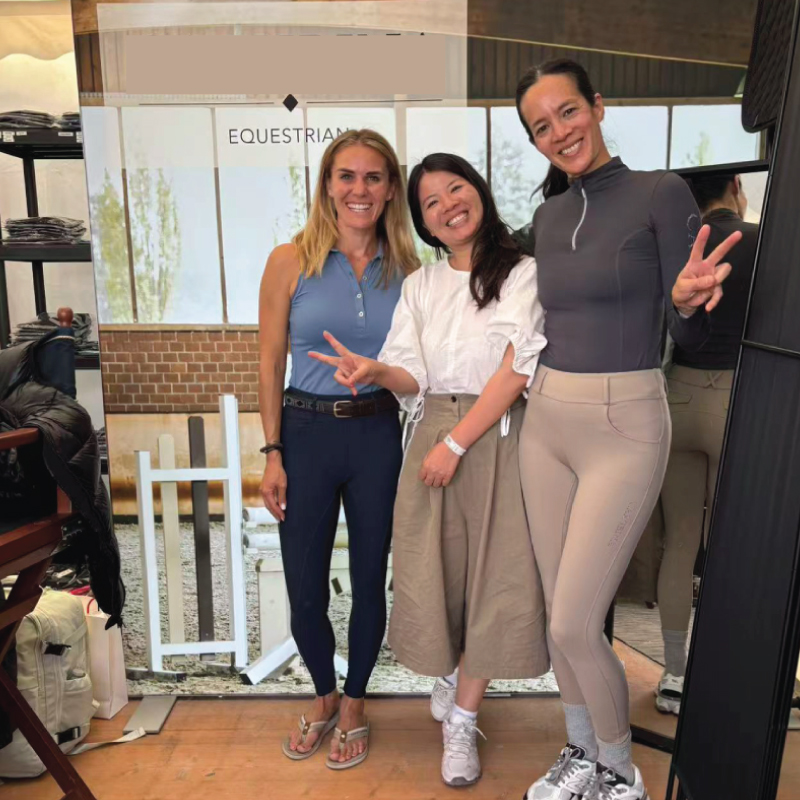
We encourage brands to test the sample with actual riders to understand mobility, grip behavior and long-wear comfort. Feedback from riding scenarios helps refine fit and ensure the garment performs well during trot, canter, transitions and training sessions.
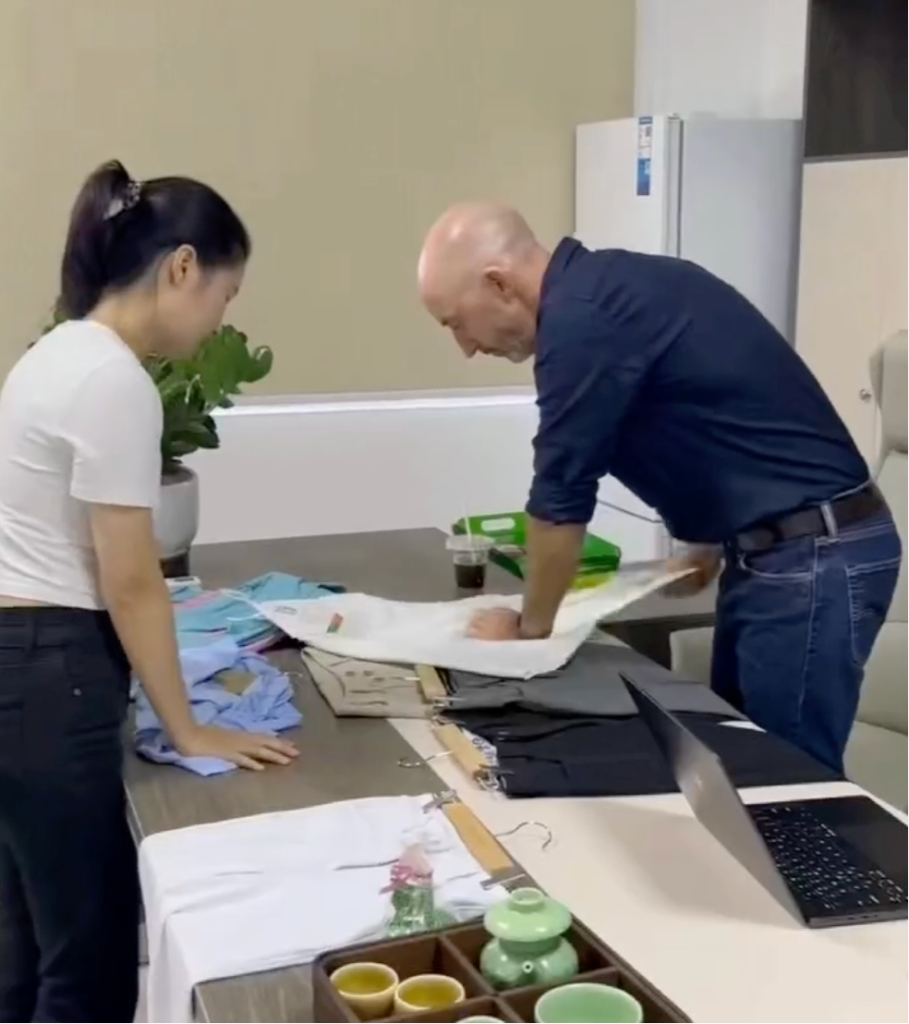
Based on testing feedback, we revise patterns and adjust functional elements to achieve the ideal fit and performance. A final pre-production sample is prepared for your approval before bulk production begins.
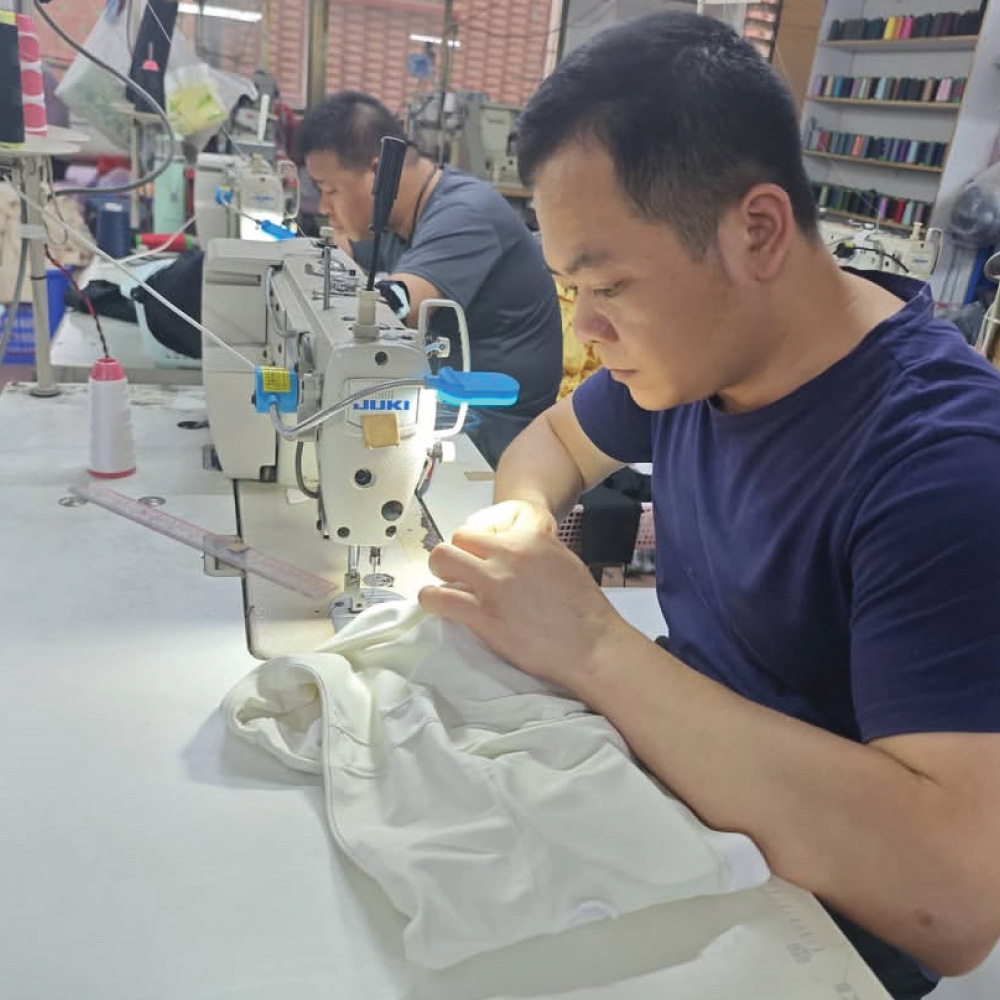
Once the pre-production sample is approved, we begin bulk manufacturing following the confirmed specifications. Quality checks focus on grip durability, stitching consistency and fabric behavior to ensure each garment performs reliably in riding conditions.
Every equestrian brand has different styling goals, performance needs and rider preferences.
As an OEM equestrian clothing manufacturer, our OEM service gives you flexibility across fabrics, fit and functional details — allowing your collection to reflect your brand identity while performing in real riding conditions.
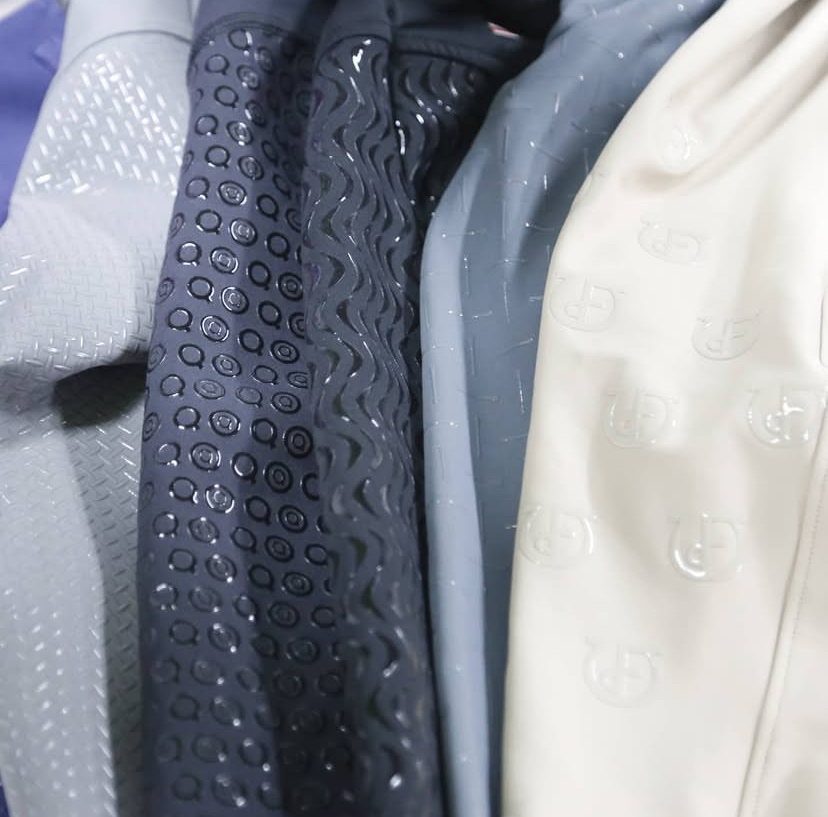
Equestrian apparel requires fabrics that balance movement, comfort and durability. We help you select materials based on training conditions, climate and riding discipline. Whether you need firmer stretch for breeches or lightweight options for base layers, we guide you toward fabrics that deliver consistent performance.
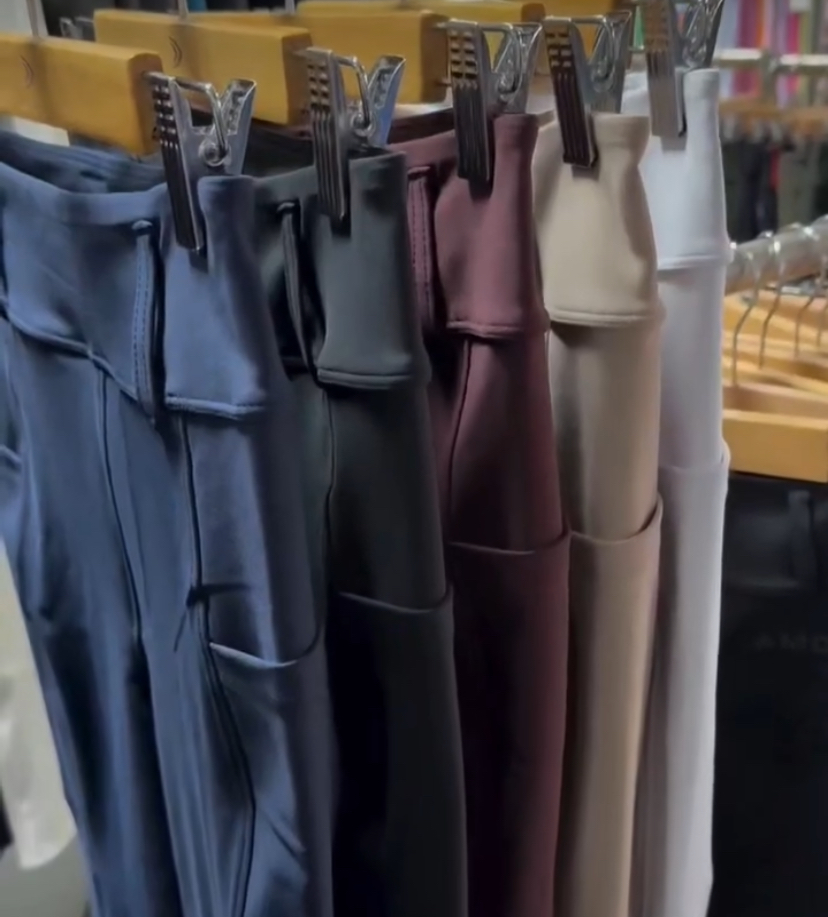
Fit is central to rider comfort. Our pattern adjustments focus on posture, joint movement and stability in the saddle. Whether you want a more supportive waistband, smoother silhouette or refined knee shaping, we tailor the pattern to reflect both your design vision and functional requirements.
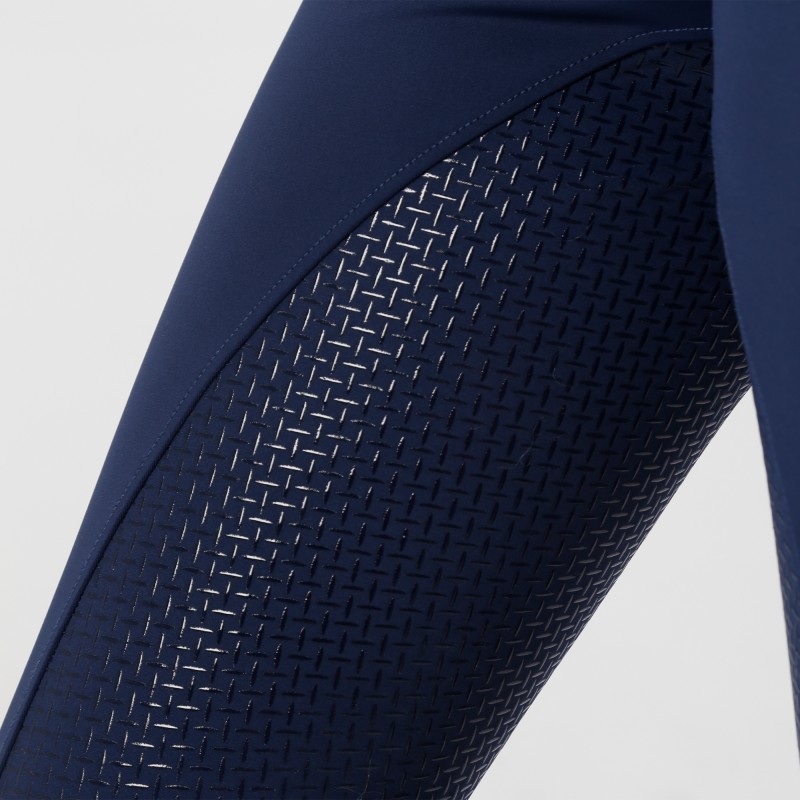
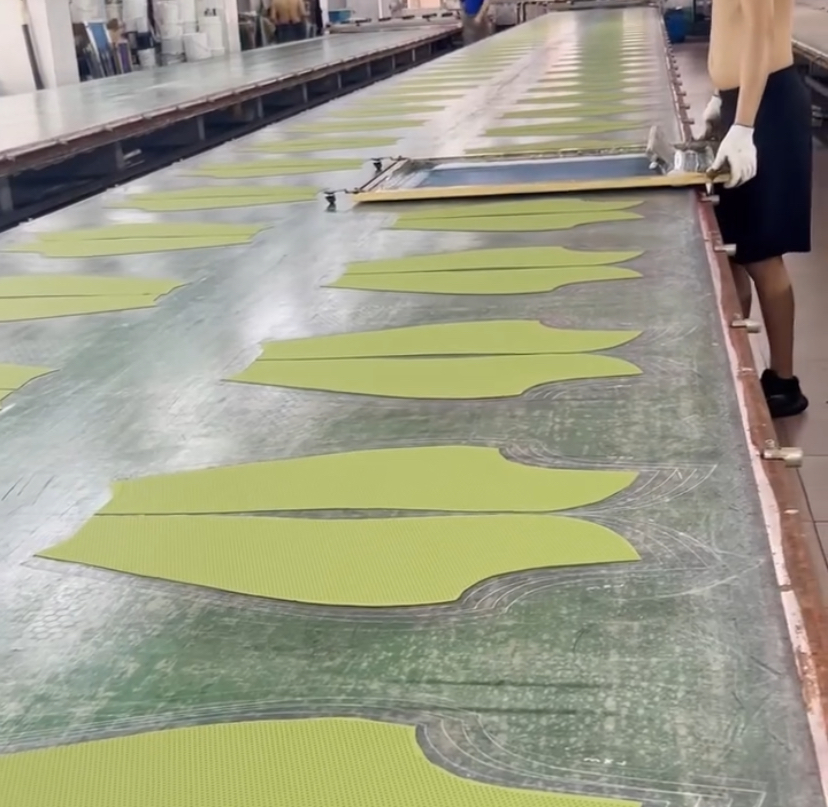
Grip is one of the most important performance elements in equestrian apparel. We offer multiple grip strengths and pattern layouts to match your riding discipline. Functional details — such as pockets, trims and logo placement — can also be tailored to your aesthetic and practical needs.
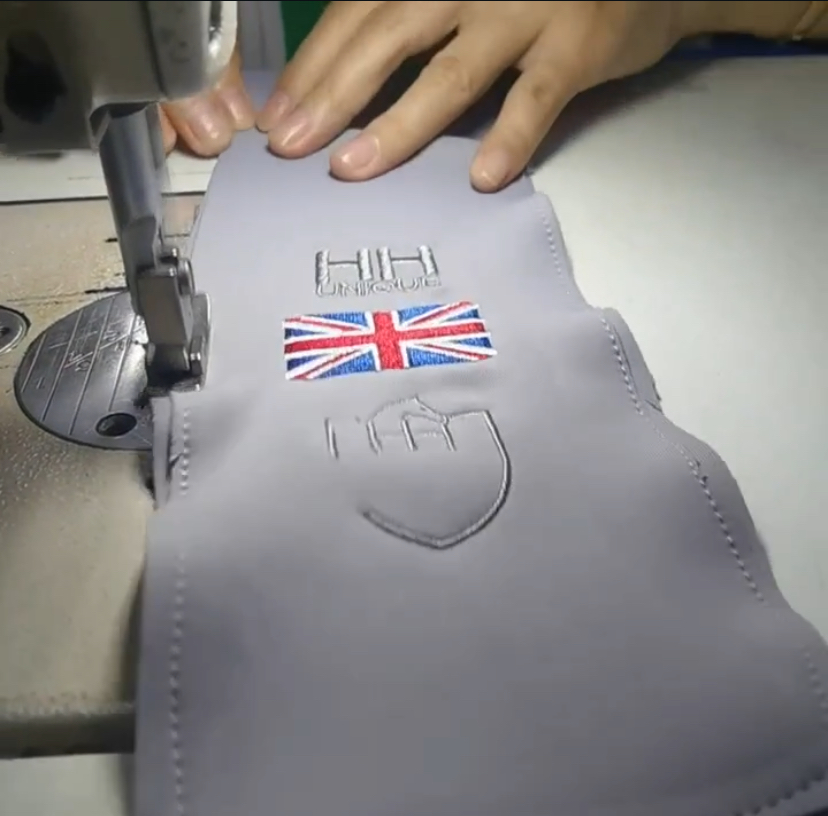
Brand identity is a key part of any equestrian collection. As an OEM equestrian clothing manufacturer and private label riding apparel supplier, Kala Apparel – an OEM Equestrian Clothing Manufacturer, offers full range of logo and branding options tailored to different fabrics, riding movements, and durability needs.
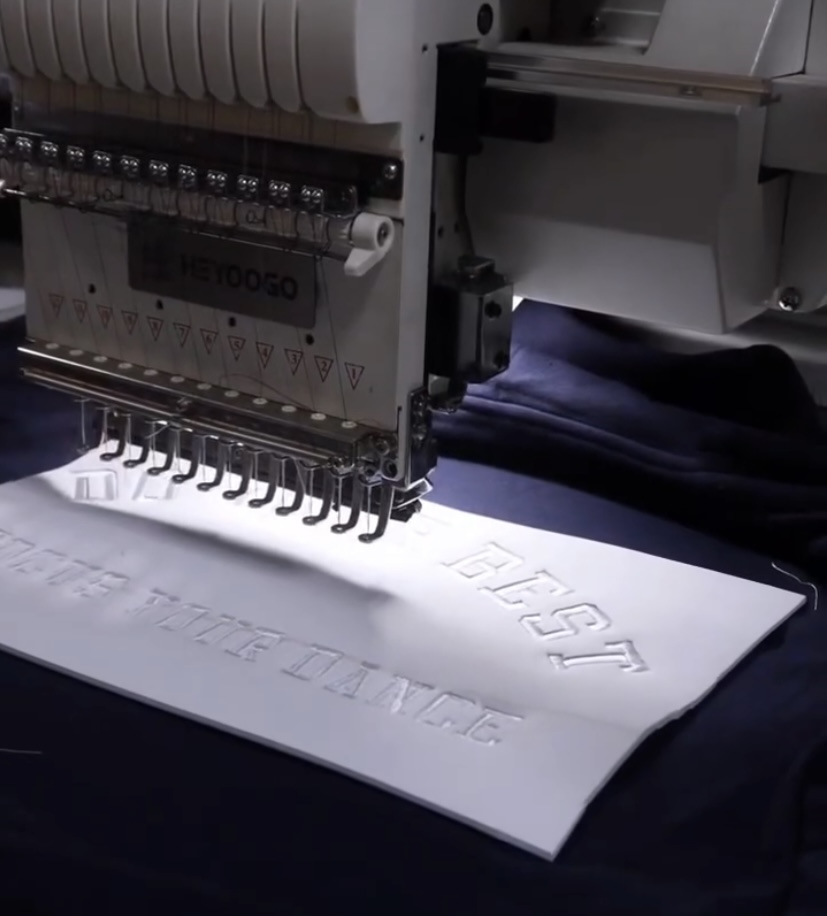
Horse Riding Clotes Branding techniques, we offer:
Each branding method is selected to match the garment’s performance level, ensuring your custom riding apparel maintains professional aesthetics, stretch recovery, and long-term durability.
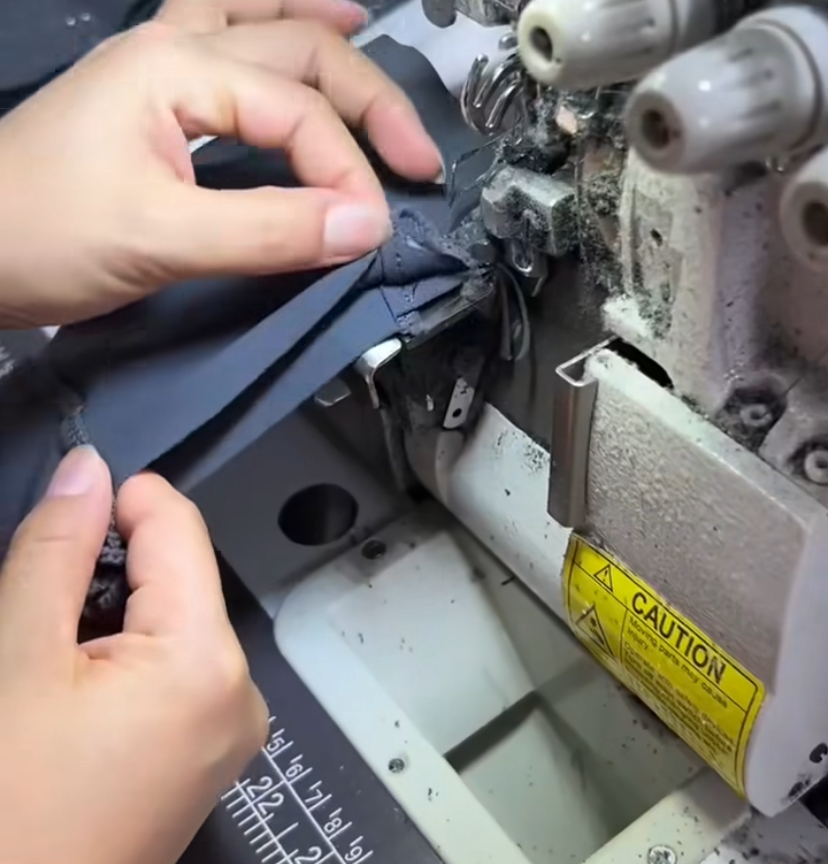
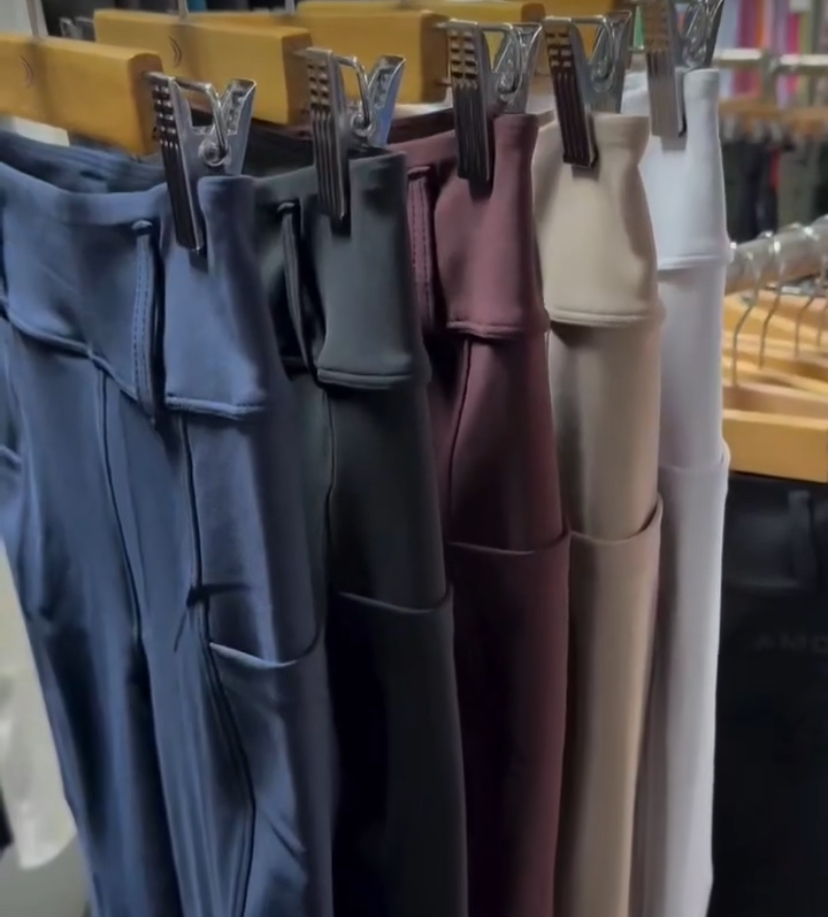
Choosing the right fabric is essential for technical riding apparel. As an equestrian clothing manufacturer, we help brands select performance materials such as four-way stretch nylon, moisture-wicking polyester, softshell outerwear fabrics, and eco-friendly options for sustainable OEM riding clothing.
Each material is evaluated for durability, flexibility, and riding comfort to match the needs of breeches, jackets, base layers, and competition wear.
For a full guide on equestrian clothing fabrics, please visit our equestrian fabric guide
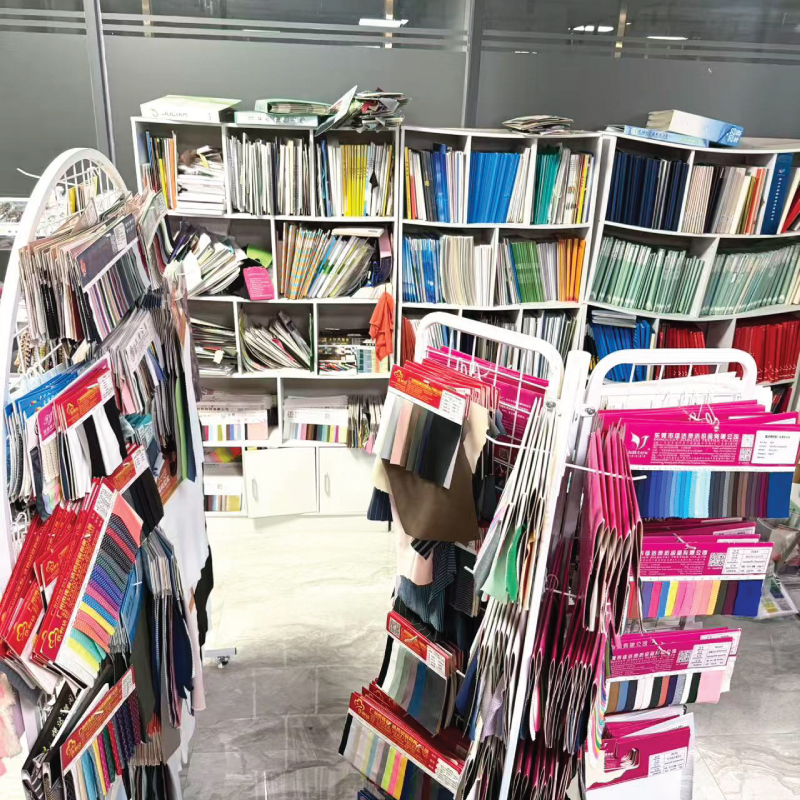
Development involves many decisions that directly affect rider comfort and product performance. We provide clear recommendations on fabrics, fit adjustments, grip behavior and details such as pockets or trims. This support helps your designs stay true to your brand identity while meeting real riding needs.
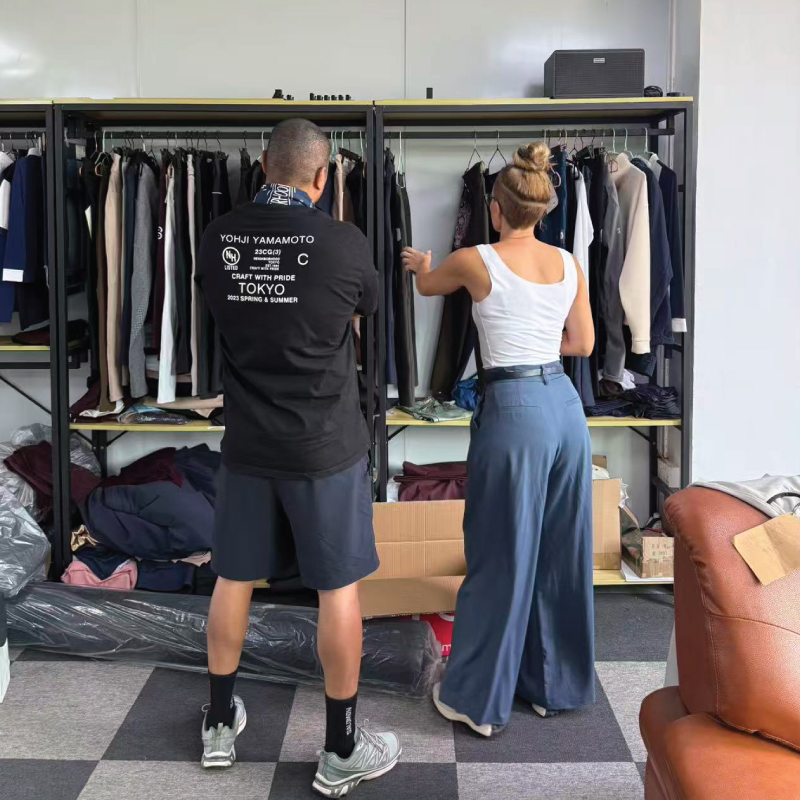
Whether you have a completed design or only an initial concept, we help refine the technical elements before sampling begins. Early guidance reduces revisions and keeps development moving smoothly. Our flexible support also makes it easier for new or growing equestrian brands to launch reliable, well-structured products.
A sketch, tech pack or reference sample is enough to begin. We also ask for details such as riding discipline, preferred fabrics and functional requirements like grip placement or waistband style. This helps us prepare accurate recommendations for your first sample.
Yes. We evaluate fabrics based on stretch recovery, breathability, abrasion resistance and the intended riding use. Our team provides recommendations that match your performance expectations and brand style.
Sample development usually takes 10–15 days, depending on the complexity of the garment and custom elements such as grip or branding. We provide clear timelines at the start of the project, and updates throughout the process.
Absolutely. We work with brands at all stages, from first-time equestrian lines to established riding apparel labels. You can begin with a simple idea or a fully developed tech pack — our development team will guide you through each step.
Yes. If you provide your size chart or fit references, we can grade patterns to align with your brand standards. Consistency across different styles is prioritized during sampling and pre-production.