Kala Apparel - 10+ years premium clothing manufacturer
English riding and Western riding are two of the most well-known horse riding disciplines, each with its own history, techniques, and visual identity. One of the most noticeable differences between them is riding apparel.
For beginners and even experienced riders, understanding how English riding apparel differs from Western riding apparel helps clarify not only what to wear, but why the clothing looks and functions the way it does.
This guide explains the key differences between English and Western riding apparel, focusing on purpose, fit, and riding tradition rather than fashion alone.
The differences in apparel reflect the fundamental riding philosophy of each discipline.
English riding emphasizes precision, balance, and close contact between rider and horse.
Western riding prioritizes stability, durability, and long hours of practical riding.
Because the riding goals differ, the clothing evolved in very different ways.
Check more from Kala Equestrian
Check more from Lammels
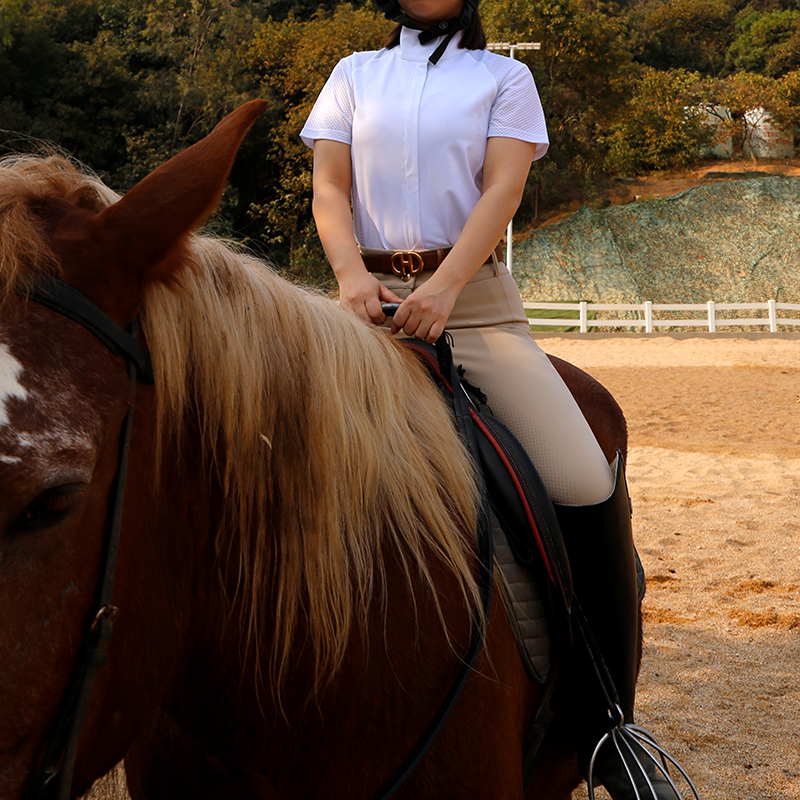
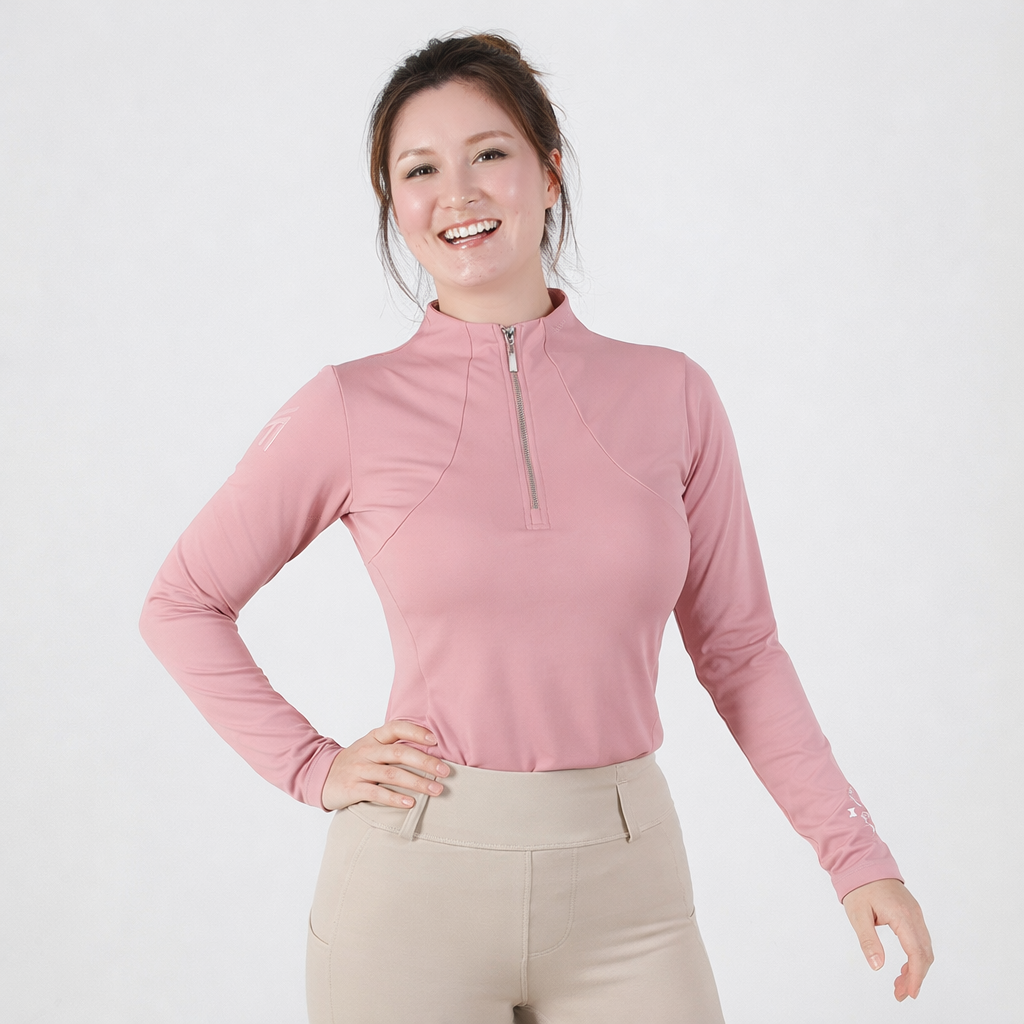
English riding tops and jackets are typically close-fitting and streamlined. The goal is to minimize excess fabric and allow subtle rider movements to communicate clearly with the horse.
Common features include:
Fitted riding shirts or polos
Lightweight base layers
Structured riding jackets for competition
In formal settings, English riding jackets follow strict presentation standards, reflecting the discipline’s emphasis on tradition and form.
Check more from Kala Equestrian
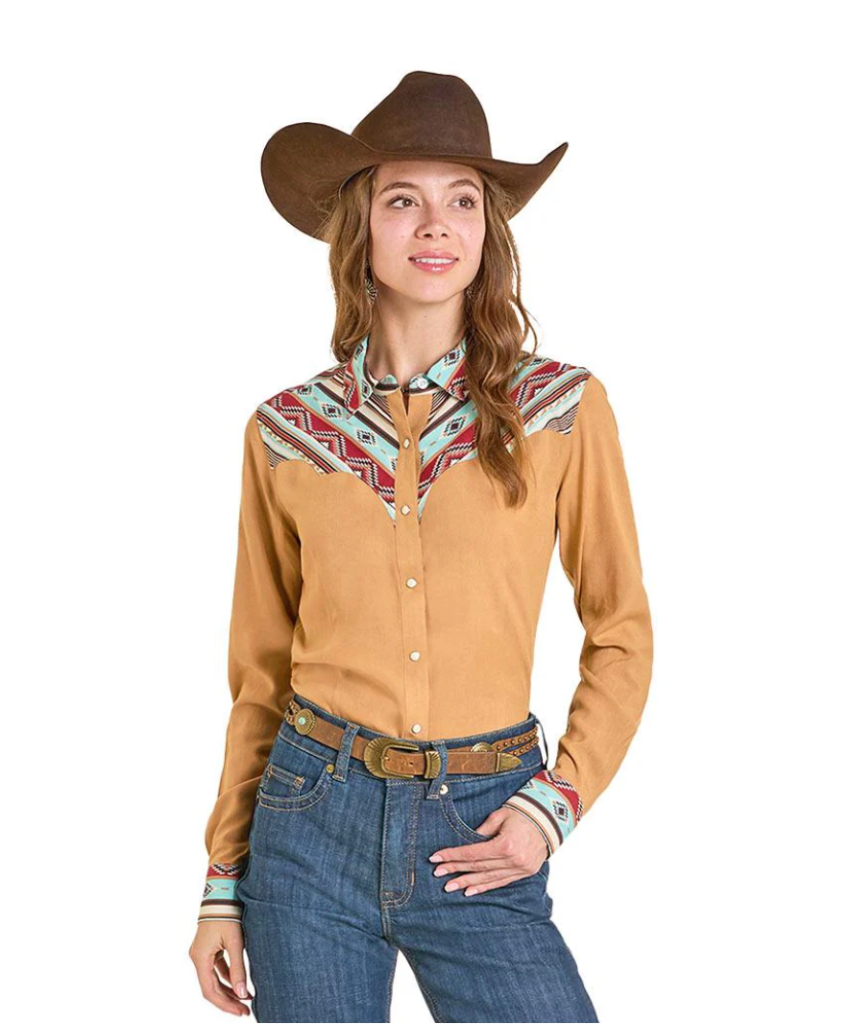
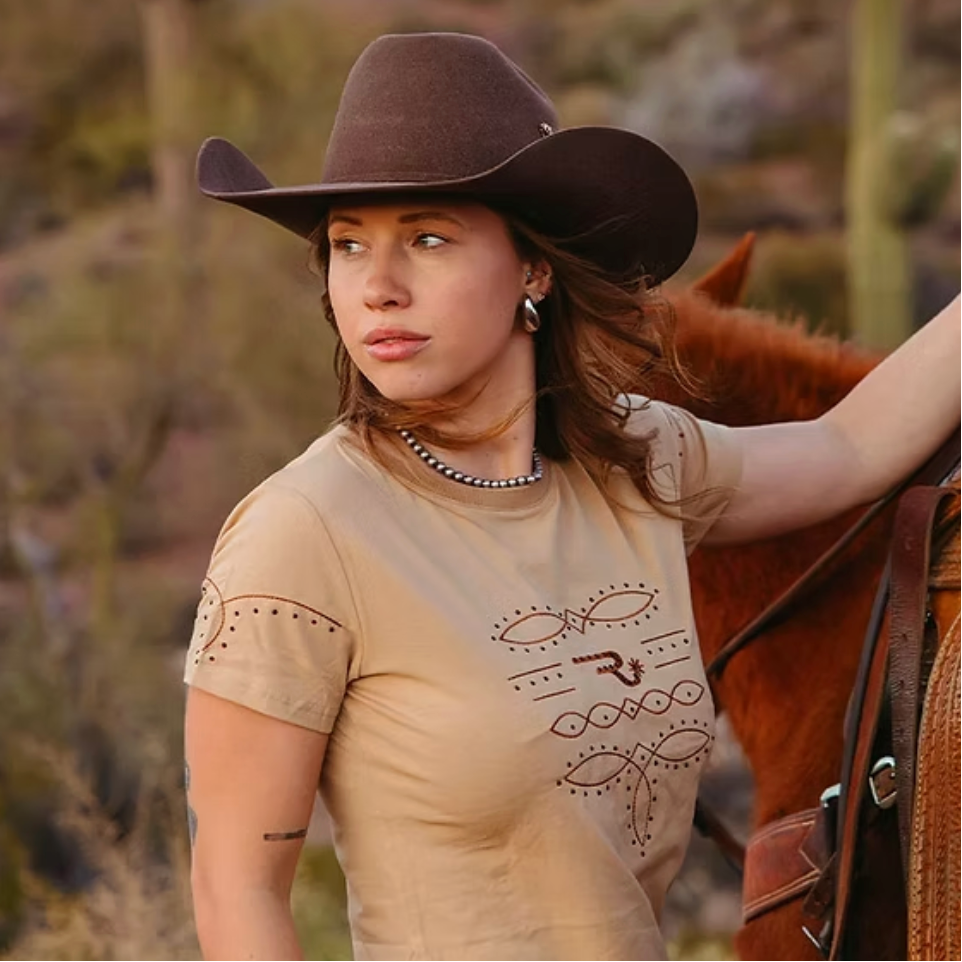
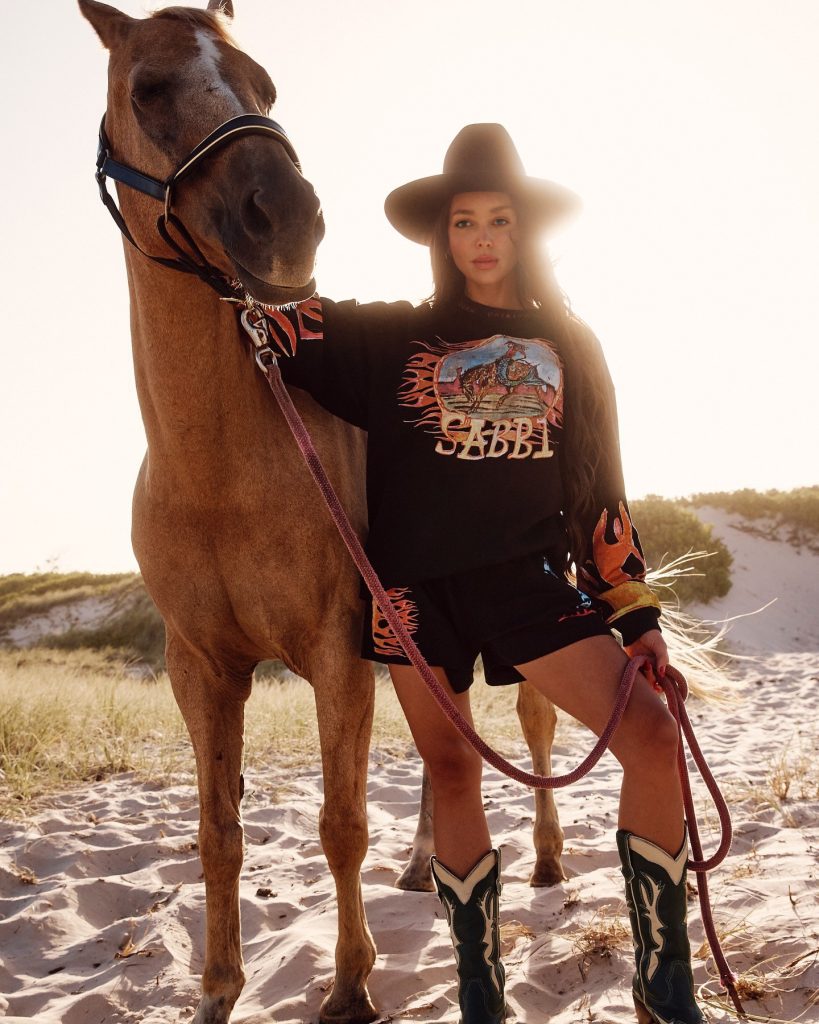
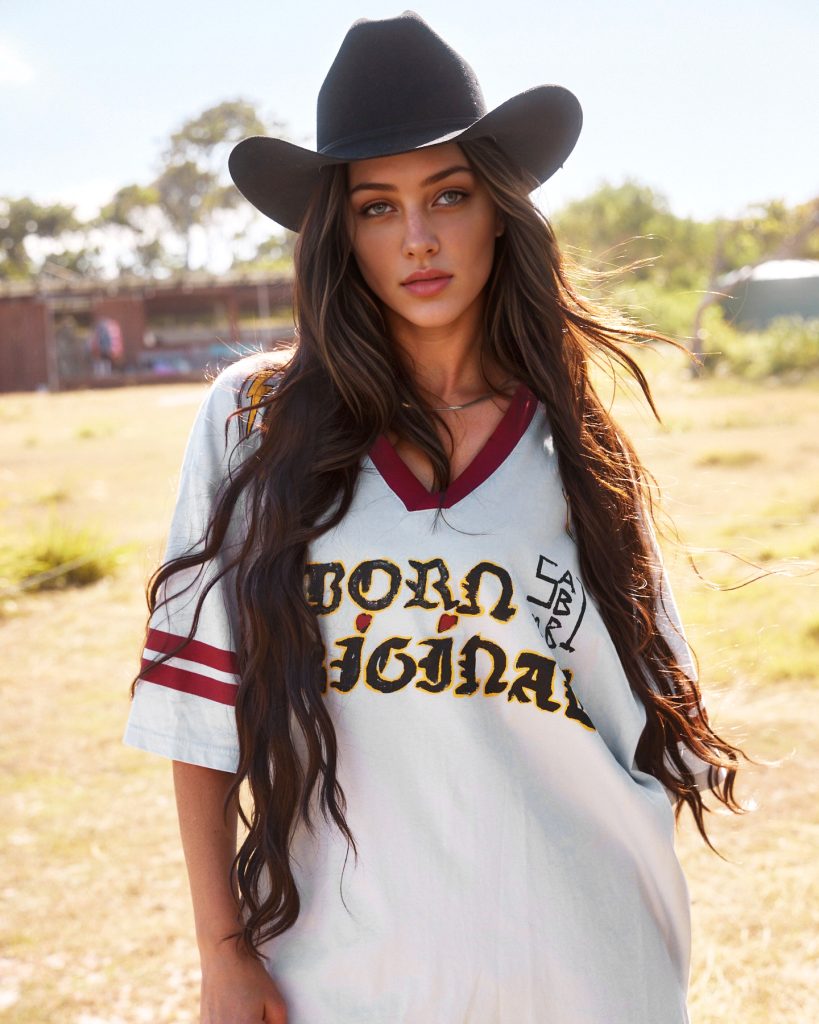
Western riding apparel is generally looser and more rugged. Clothing is designed for comfort and durability during long riding sessions.
Typical upper-body items include:
Western-style shirts with snap buttons
Vests or outer layers for weather protection
Relaxed fits that allow freedom of movement
Western apparel often reflects its working-ranch origins, where practicality mattered more than uniform appearance.
Check more from OSWSA
English riders commonly wear:
Breeches
Jodhpurs
Riding tights
These garments are designed to reduce friction, enhance grip in the saddle, and support precise leg positioning. Seams and materials are carefully placed to avoid pressure points.
Western riders typically wear:
Riding jeans
Chaps or half chaps
Western riding pants are built for durability and comfort rather than close saddle contact. Chaps protect the legs from brush, rope, and extended wear during long rides.
They are usually:
Tall boots or paddock boots
Smooth-soled with a small heel
Close-fitting around the calf
These boots help maintain consistent contact with the horse’s sides.
Western riding boots focus on stability and protection.
Typical features include:
Higher, angled heels
Sturdy leather construction
Looser fit around the leg
Western boots are well-suited for stirrup security and extended riding time.
In modern riding, safety awareness has increased across disciplines.
English riding commonly requires certified riding helmets, especially in training and competition.
Western riding traditionally used cowboy hats, though helmets are becoming more common, particularly for youth and sport-based Western disciplines.
Safety expectations may vary by location, riding school, or competition rules.
Competition highlights the contrast even more clearly.
English riding competitions often follow strict dress codes with specific colors, fits, and jacket styles.
Western riding competitions allow more personal expression, often featuring decorative shirts, hats, and accessories.
Despite visual differences, both competition styles emphasize discipline-specific functionality.
When deciding English riding vs western Riding apparel, riders should consider:
Riding discipline and training environment
Riding goals (lessons, competition, leisure)
Comfort and safety requirements
Apparel choices are not interchangeable in many cases, as each discipline requires clothing that supports its specific riding technique.
English and Western riding apparel are not simply different styles—they are reflections of two distinct riding traditions shaped by history, purpose, and riding conditions.
Understanding these differences helps riders make informed clothing choices and appreciate the function behind the form.
Can English riding apparel be used for Western riding?
Some items may overlap for casual riding, but discipline-specific apparel is recommended for proper support and safety.
Is one type of apparel safer than the other?
Safety depends more on fit, condition, and helmet use than on discipline alone.
Do beginners need to choose a discipline right away?
Not necessarily. Many beginners try both styles before deciding which suits them best.
The content is developed by Kala Apparel, specializing in equestrian clothing design and manufacturing. The team works closely with riding brands and equestrian projects, focusing on functional design, rider safety, and material performance across different riding environments.