Kala Apparel - 10+ years premium clothing manufacturer

Share

Top 10 Types of Horse Riding Base Layers

Equestrian base layers are an essential part of equestrian apparel, forming the foundation of a rider’s clothing system. Although often worn underneath riding tops or jackets, base layers play a critical role in temperature regulation, moisture management, and overall comfort during horse riding.

This guide explores the top 10 types of horse riding base layers, explaining how they differ in function, fabric, and design—and why these differences matter in real riding conditions.

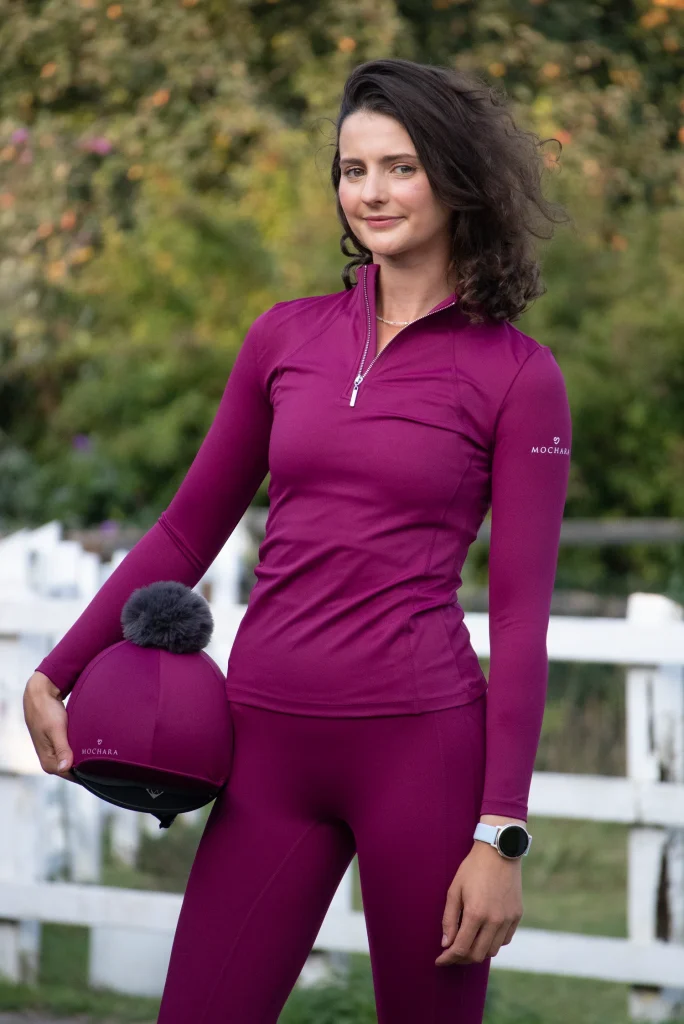
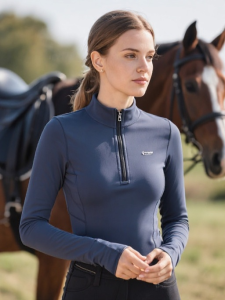
1. Lightweight Riding Base Layers

Lightweight base layers are designed for mild temperatures and active riding sessions. They provide basic coverage without adding bulk, allowing riders to move freely and stay comfortable.

These base layers are commonly used during spring and early autumn, or as the first layer in a multi-layer riding system.

riding base layer 01

Source: Mochara

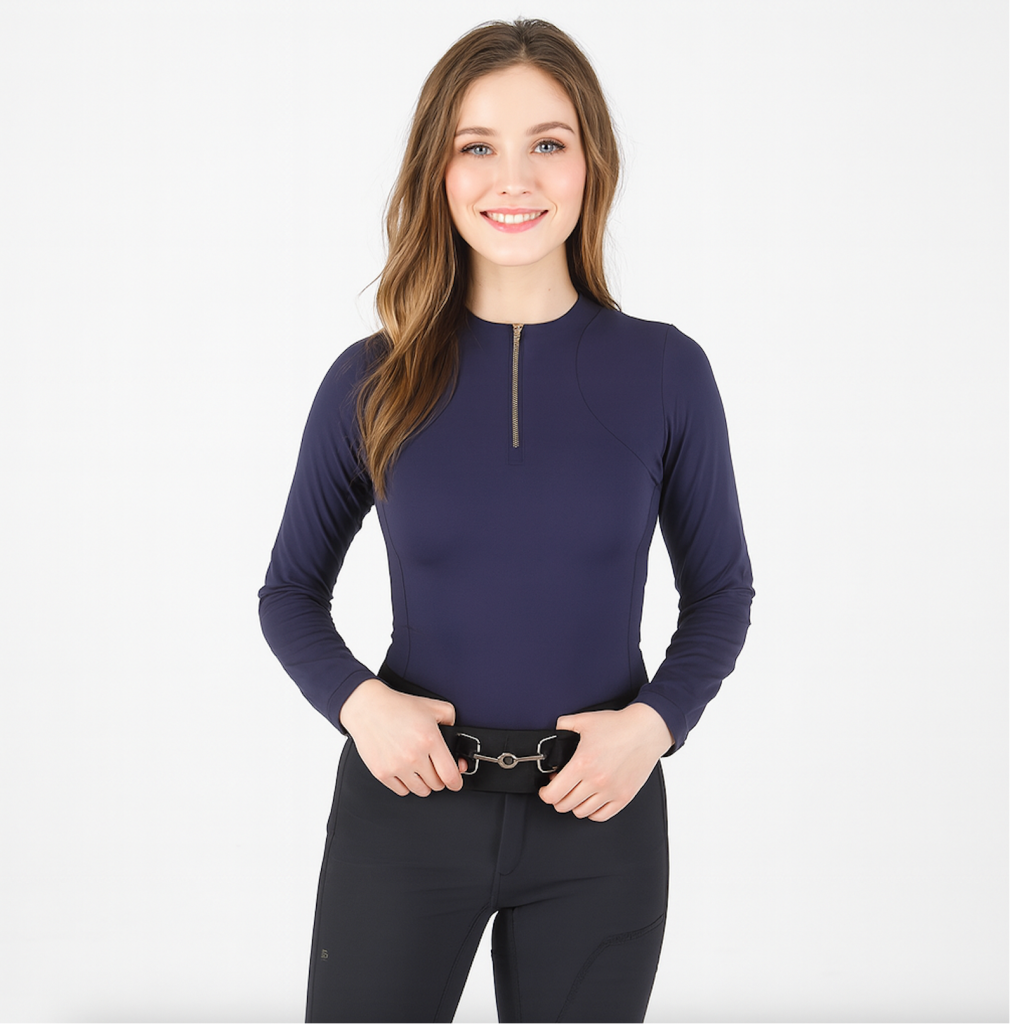
2. Moisture-Wicking Riding Base Layers

Moisture-wicking base layers help move sweat away from the skin, keeping riders dry during physically demanding rides.

They are widely used for training, lessons, and warm-weather riding where perspiration management is essential.

horse riding clothing

Source: Kala Apparel

3. Breathable Riding Base Layers

Breathable base layers focus on airflow and ventilation, allowing excess heat to escape while maintaining light coverage.

This type is especially popular for summer riding and indoor arena training.

base layer 01

Source: Kala Apparel

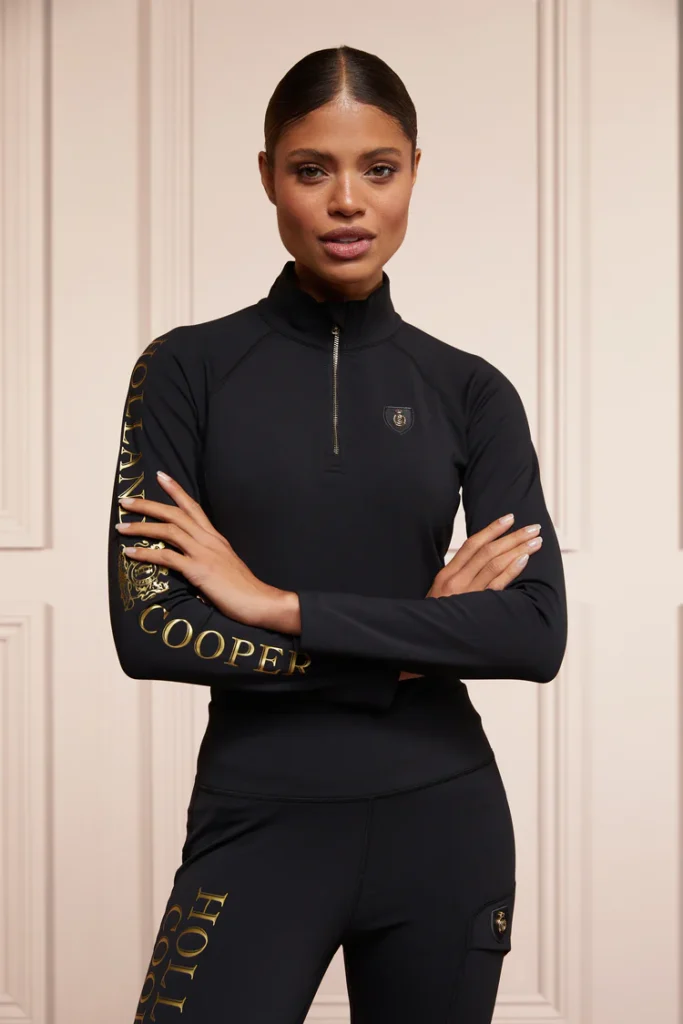
4. Thermal Riding Base Layers

Thermal base layers are designed for cold-weather riding. They provide insulation while maintaining flexibility and comfort, helping riders stay warm during winter training and outdoor riding.

Hollandcooper thermal riding base layer

Source: Holland Cooper

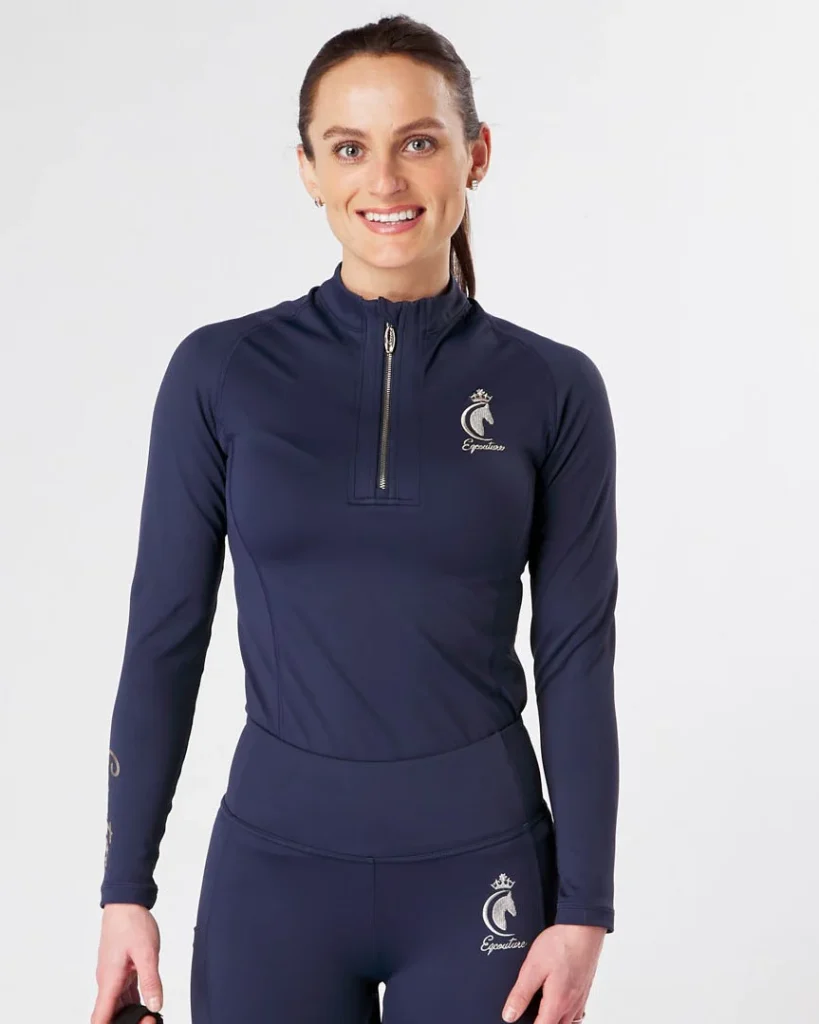
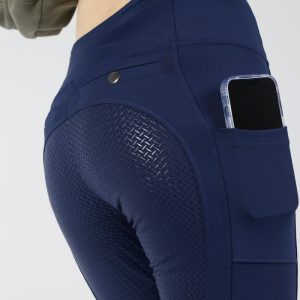
5. Compression Riding Base Layers

Compression base layers offer a closer, more supportive fit. Some riders find that compression garments help improve comfort and body awareness during longer riding sessions.

They are often chosen by riders who train frequently or ride for extended periods.

Source: Eqcouture

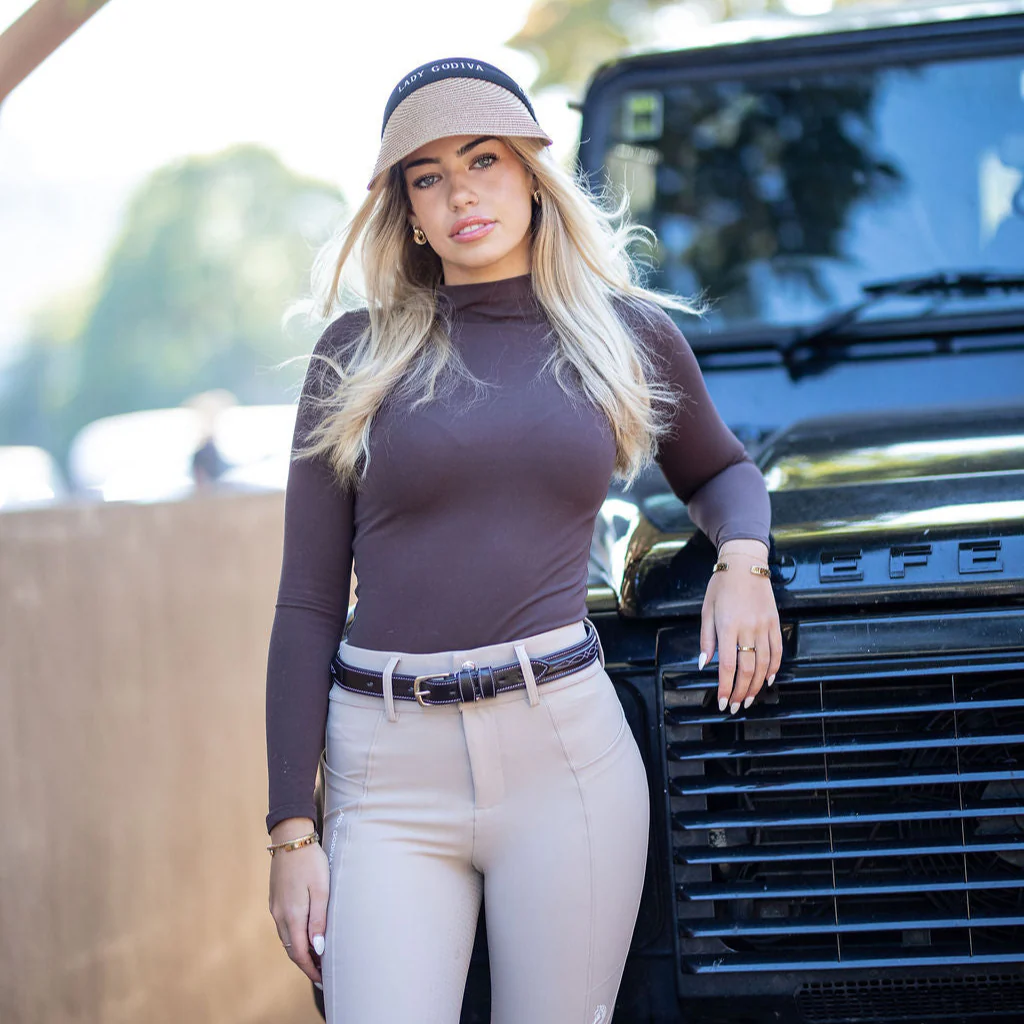
6. Seamless Riding Base Layers

Fleece riding jackets offer warmth and softness, making them suitable for layering or mild cold conditions. They are breathable and comfortable for active riding.

Fleece jackets are often worn as mid-layers rather than outermost protection in harsh weather.

Equestrian Base Layer Manufacturer - base layer

Source: Lady Godiva

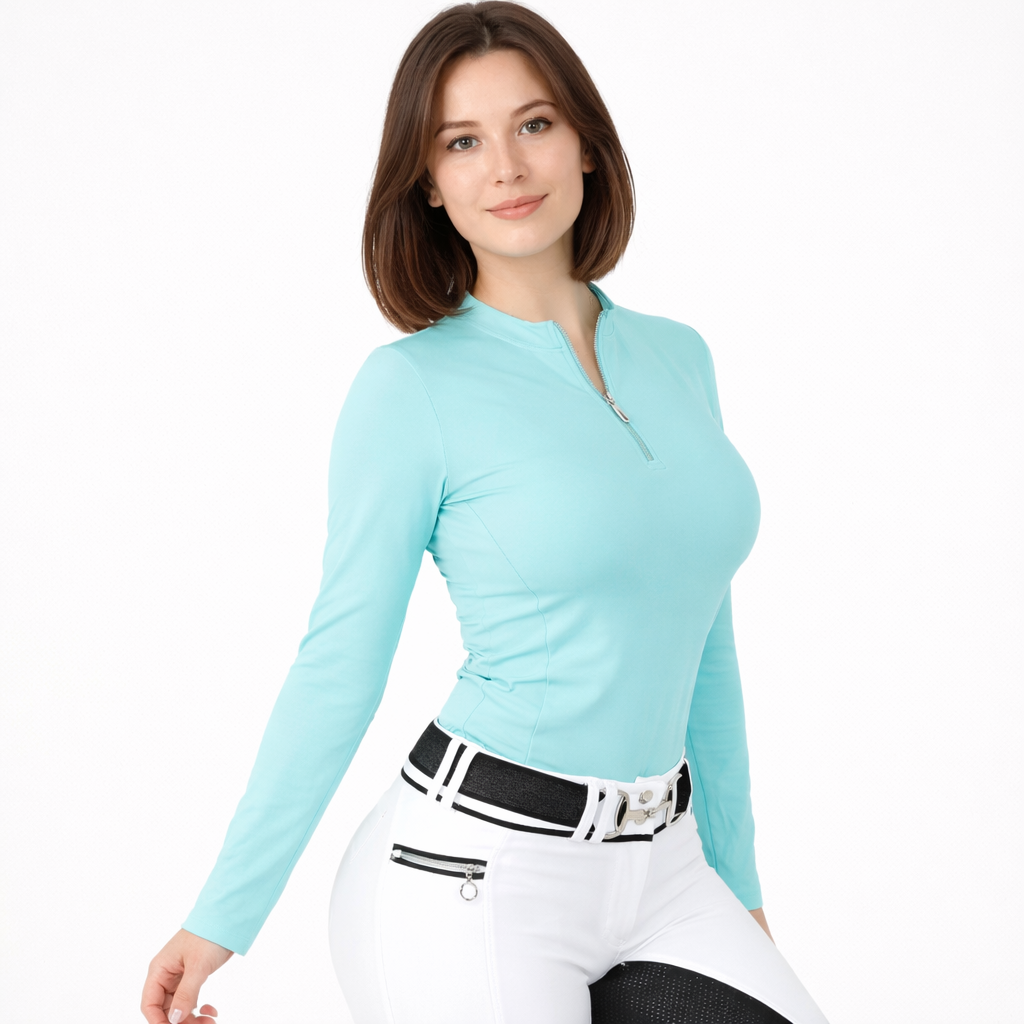
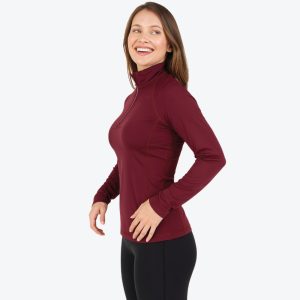
7. Long-Sleeve Equestrian Base Layers

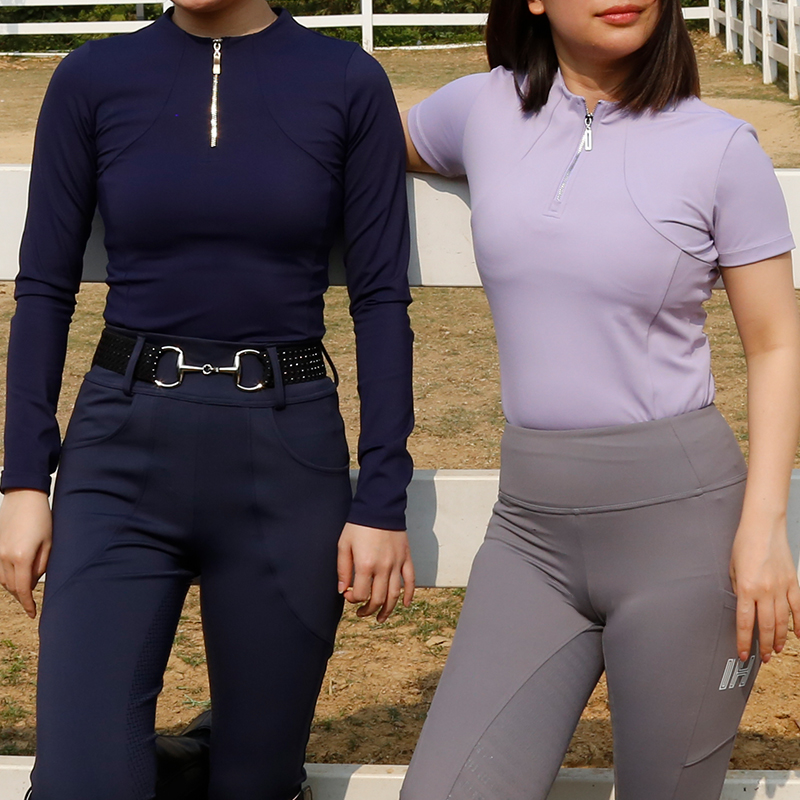
Long-sleeve base layers provide additional coverage for cooler conditions. They can be worn on their own in mild weather or layered under jackets in colder climates.

Their versatility makes them suitable for year-round use.

long sleeve riding base layer in mint color

Source: Kala Equestrian

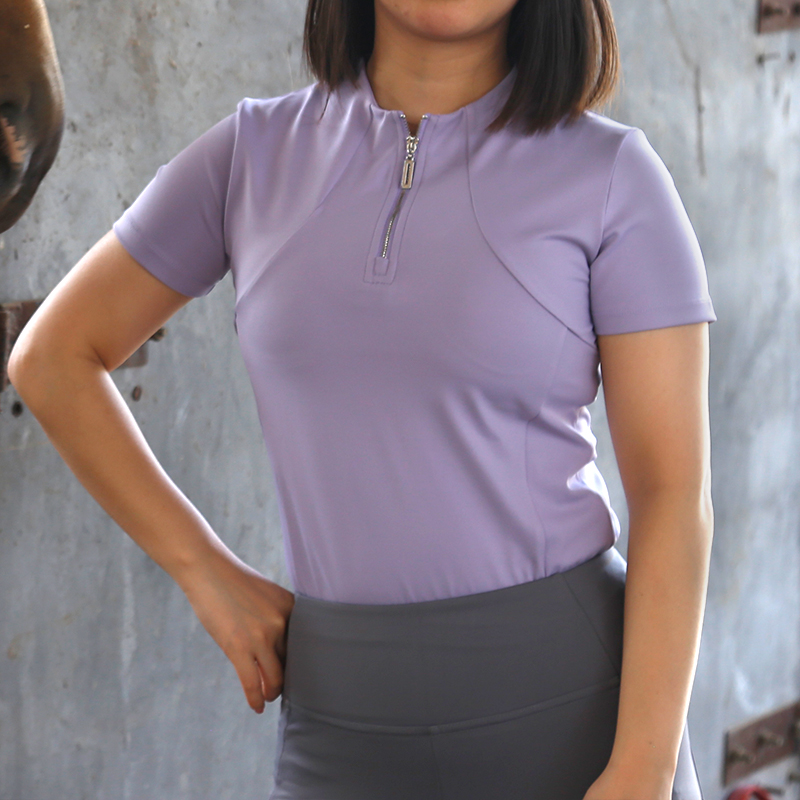
8. Short-Sleeve Equestrian Base Layers

Short-sleeve base layers are lightweight and practical for warm-weather riding. They offer moisture control while increasing ventilation around the arms and shoulders.

They are commonly worn during summer training or casual riding sessions.

short sleeve base layer in purple color

Source: Kala Equestrian

9. UV-Protective Equestrian Base Layers

UV-protective base layers are designed to shield the skin from sun exposure during outdoor riding. They combine coverage with lightweight, breathable materials.

This type is especially useful for riders who spend long hours riding outdoors.

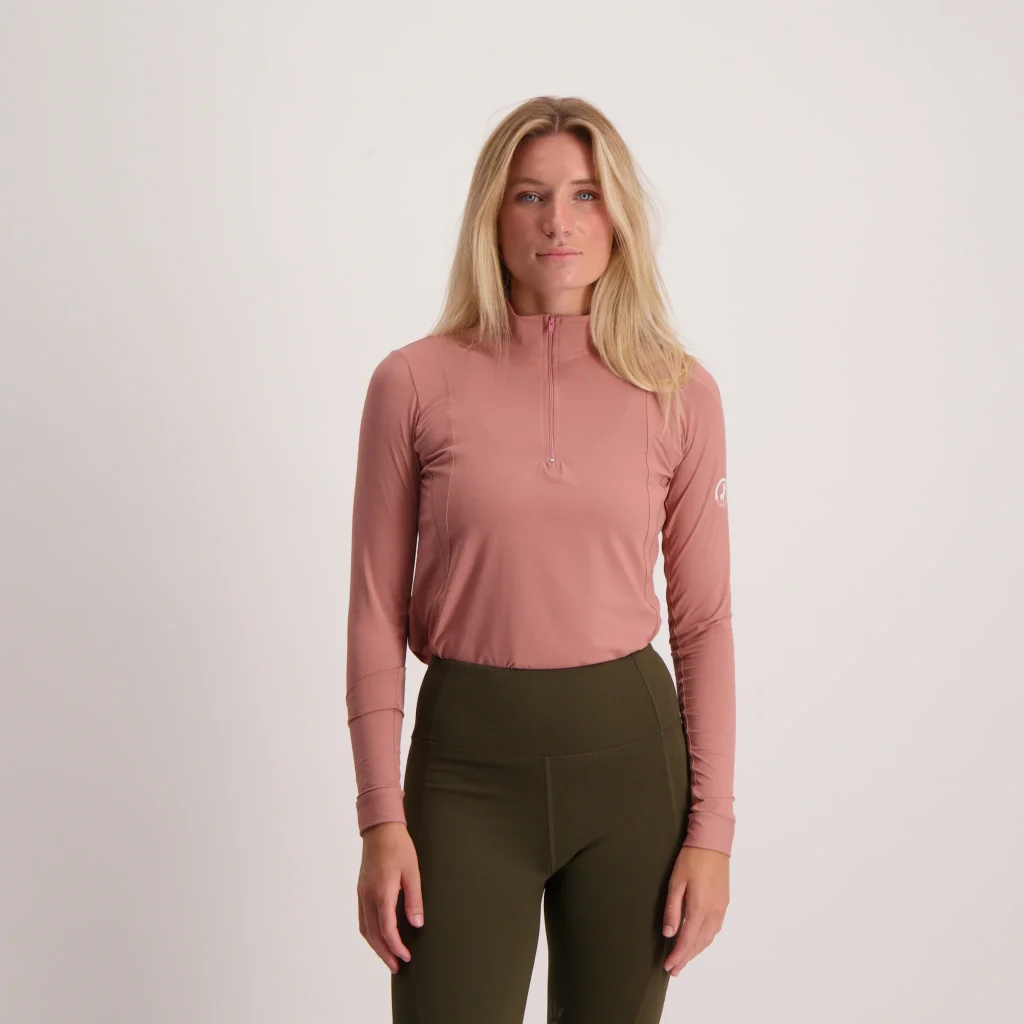
10. All-Season Equestrian Base Layers

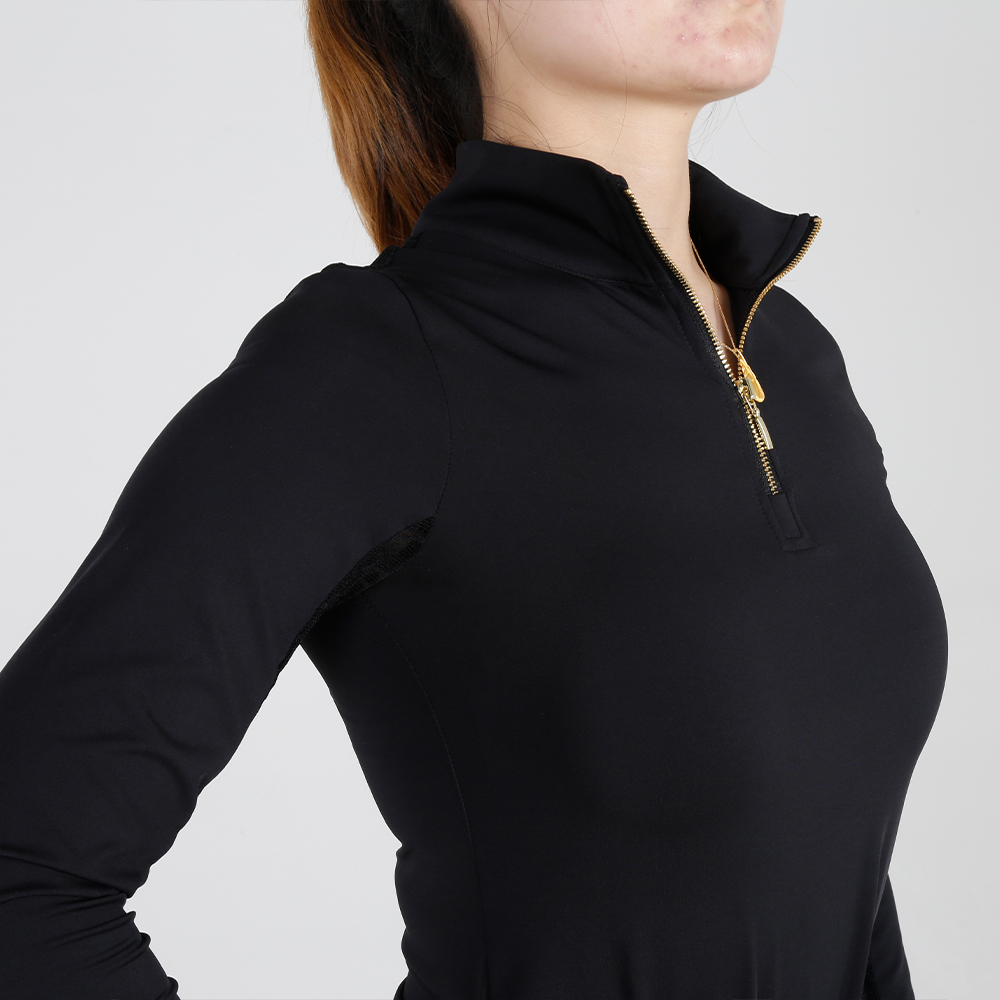
All-season base layers are designed to perform across a wide range of temperatures. They balance insulation, breathability, and moisture management, making them a versatile option for riders seeking year-round functionality.

all season base layer

Source: Kala Equestrian

Why Base Layers Matter in Equestrian Apparel

Base layers are the first point of contact between the rider and their clothing system. In equestrian apparel, they help regulate body temperature, manage moisture, and support comfort without restricting movement.

Because riders alternate between physical activity and periods of stillness, base layers play a key role in maintaining thermal balance throughout a ride.

Fabric Choices Used in Riding Base Layers

Most base layers for horse riding are made from technical fabric blends rather than single materials. Commonly used fabrics include:

  • Polyester blends, valued for durability, moisture management, and shape retention

  • Nylon blends, known for smooth texture and abrasion resistance

  • Elastane (spandex or Lycra), added to provide stretch and freedom of movement

Thermal base layers often feature brushed or fleece-lined interiors for warmth, while warm-weather base layers focus on lightweight, breathable fabrics.

Fabric Treatments and Surface Finishes

Beyond basic fabric composition, some base layers include additional fabric treatments or surface finishes.

Examples include:

  • Brushed inner surfaces for added warmth and softness

  • Low-friction outer finishes to improve layering under fitted apparel

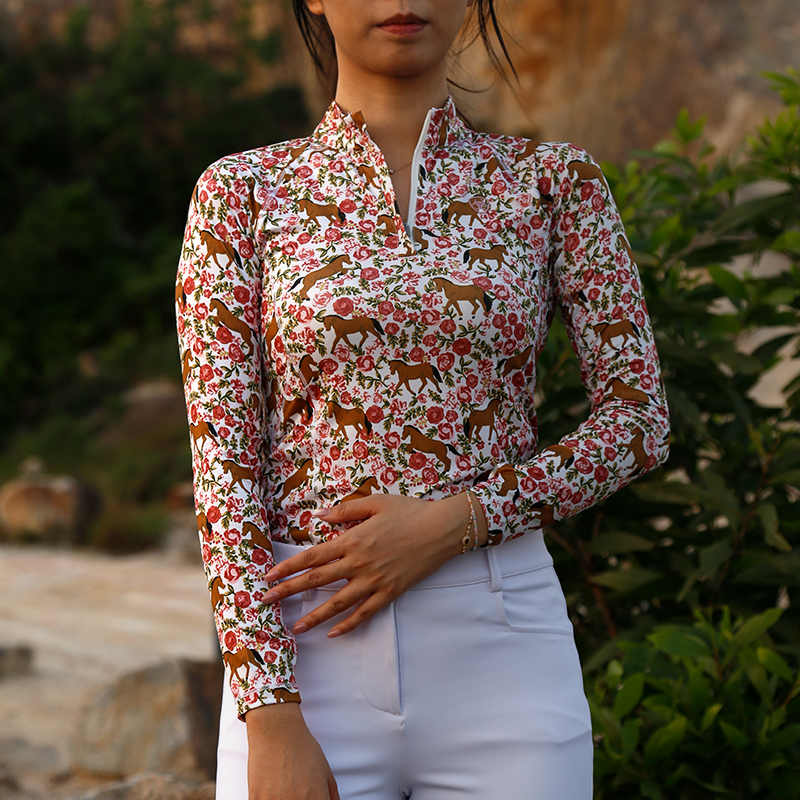
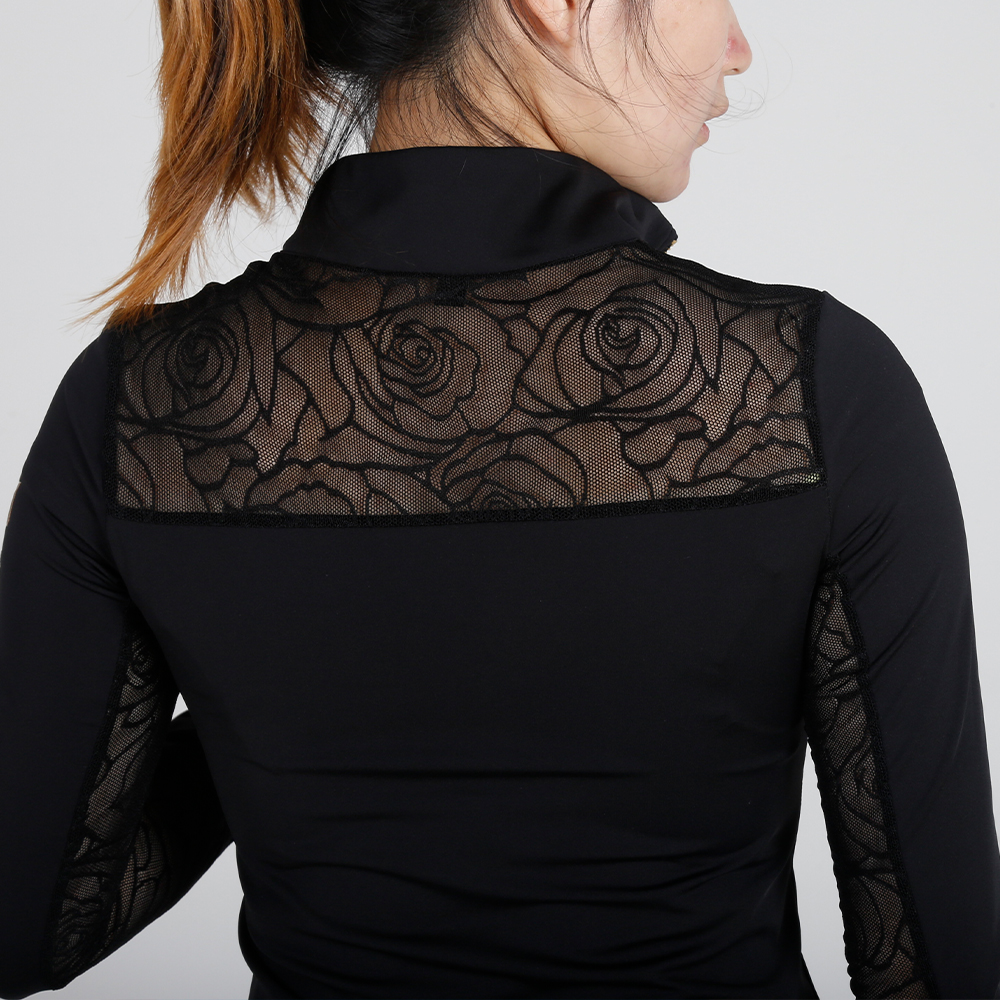
  • Decorative or textured elements, such as subtle lace panels or patterned fabrics, used selectively in lifestyle-oriented equestrian wear

While decorative elements are less common in performance-focused base layers, they may appear in hybrid designs that balance function and style.

Choosing the Right Base Layer for Your Riding Needs

Selecting the right equestrian base layer depends on several factors:

  • Weather conditions

  • Riding intensity

  • Indoor versus outdoor riding

  • Personal comfort preferences

Many riders own multiple base layers and choose between them based on seasonal and riding requirements.

Using This Guide as a Practical Reference

Understanding the different types of base layers helps riders build a functional and adaptable equestrian wardrobe. Rather than focusing on trends, selecting base layers based on function, fabric, and design leads to better comfort and performance while riding.

Frequently Asked Questions

Do riders need base layers for horse riding?

Base layers improve comfort and temperature regulation, especially during longer or more active riding sessions.

Can base layers be worn on their own?

Yes. In mild conditions, base layers are often worn as standalone riding tops.

Are base layers suitable for all riding disciplines?

Base layers are commonly used across disciplines and adapted based on weather and riding style.

Kala Apparel
Professional Equestrian Clothing Manufacturer

The content is developed by Kala Apparel, specializing in equestrian clothing design and manufacturing. The team works closely with riding brands and equestrian projects, focusing on functional design, rider safety, and material performance across different riding environments.