Kala Apparel - 10+ years premium clothing manufacturer
Share
Equestrian apparel comes with its own specialized language. For beginners, buyers, and even industry professionals, understanding common equestrian clothing terms (AKA Equestrian Apparel Terminology) helps clarify product design, usage, and manufacturing differences.
This glossary explains key equestrian apparel terminology commonly used in horse riding clothing, horseback riding wear, and equestrian apparel manufacturing.
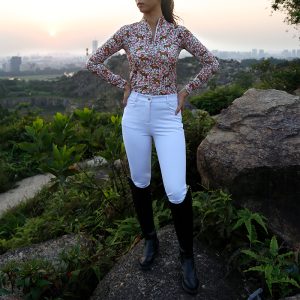
A general term referring to clothing designed specifically for horse riding. Equestrian apparel includes riding tops, breeches, tights, jackets, boots, and accessories created to support comfort, safety, and performance while riding.
Often used interchangeably with equestrian apparel, equestrian clothing typically emphasizes the practical and functional aspects of riding wear rather than fashion elements.
Broad terms describing clothing worn while riding horses. These phrases are commonly used by beginners and consumers and may include both technical equestrian apparel and casual riding clothes.
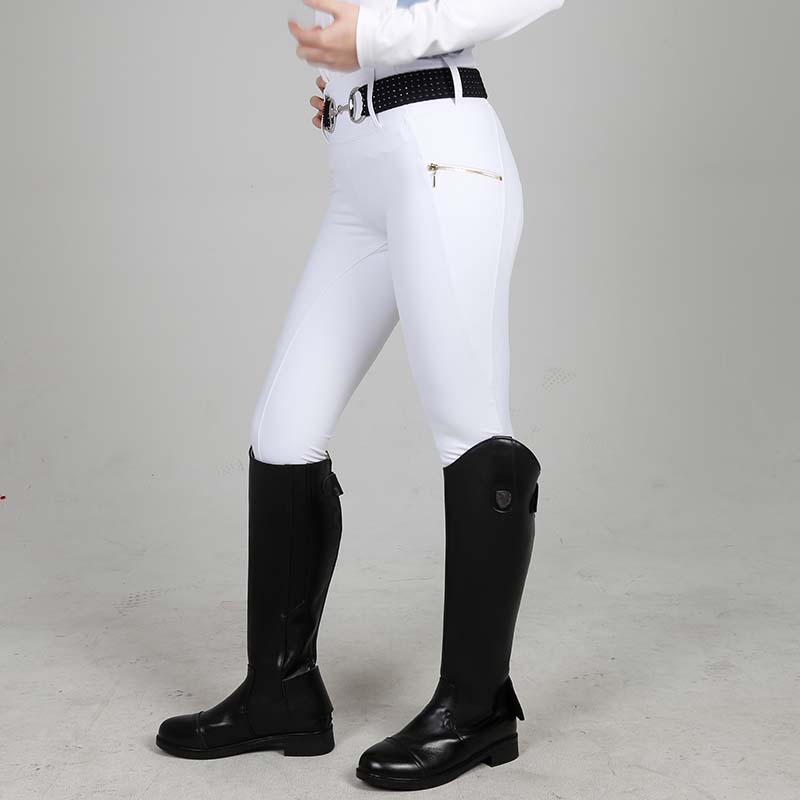
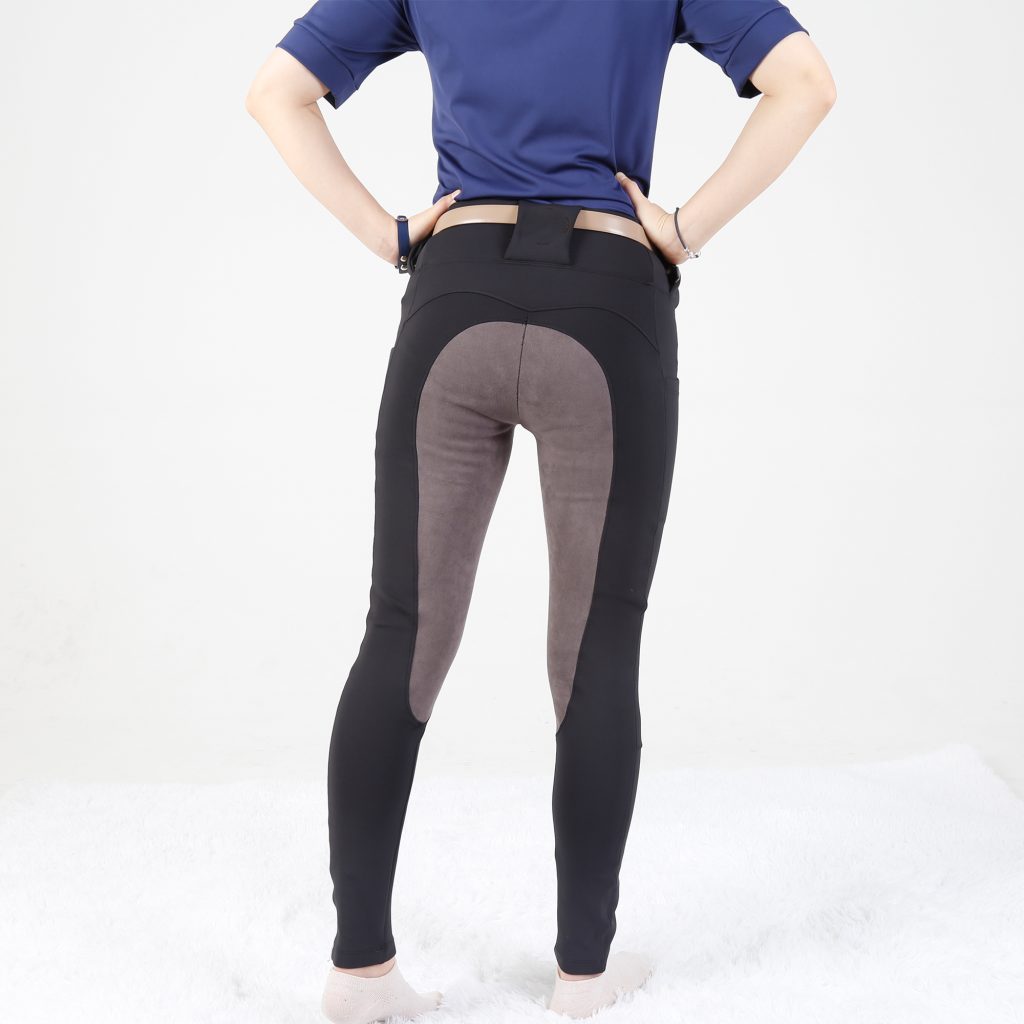
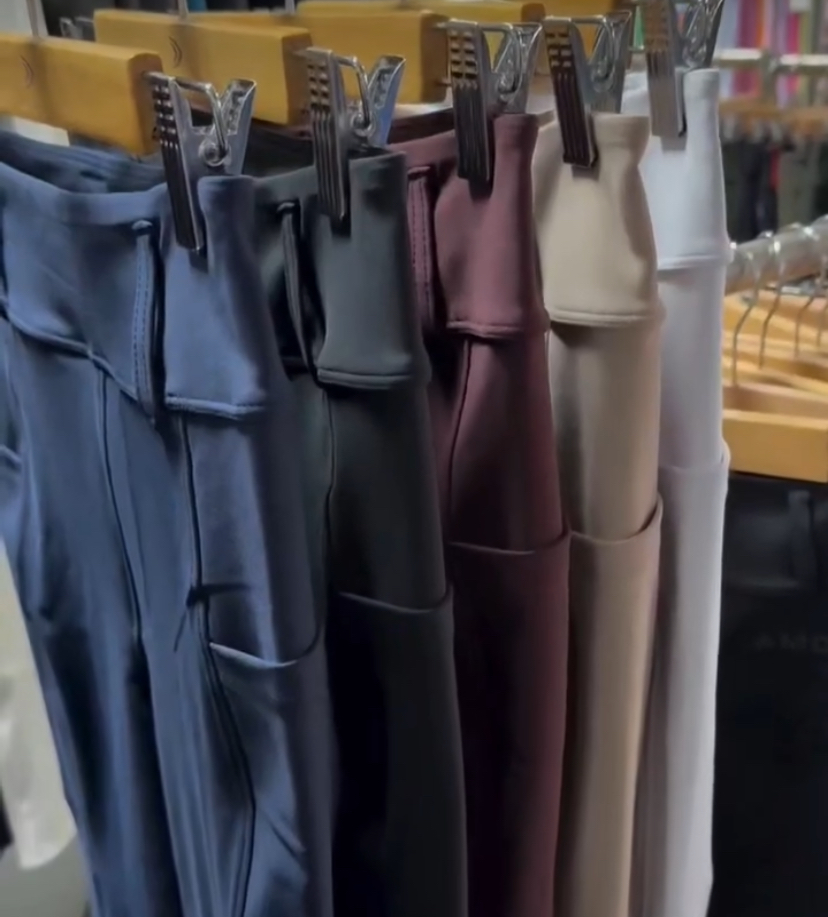
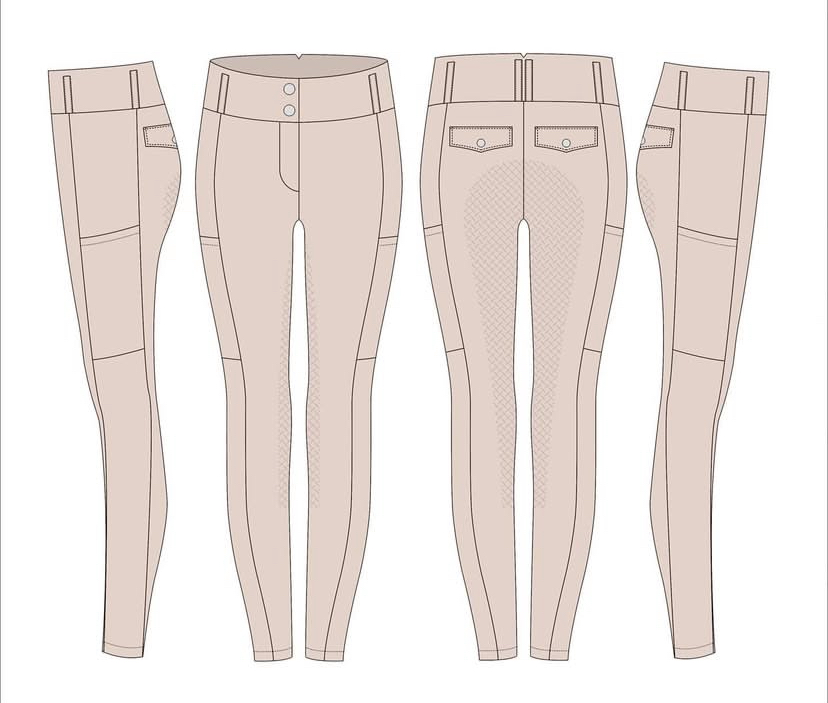
Close-fitting riding pants designed to reduce friction and support leg movement in the saddle. Breeches are a core component of English riding apparel and are commonly used for training and competition.
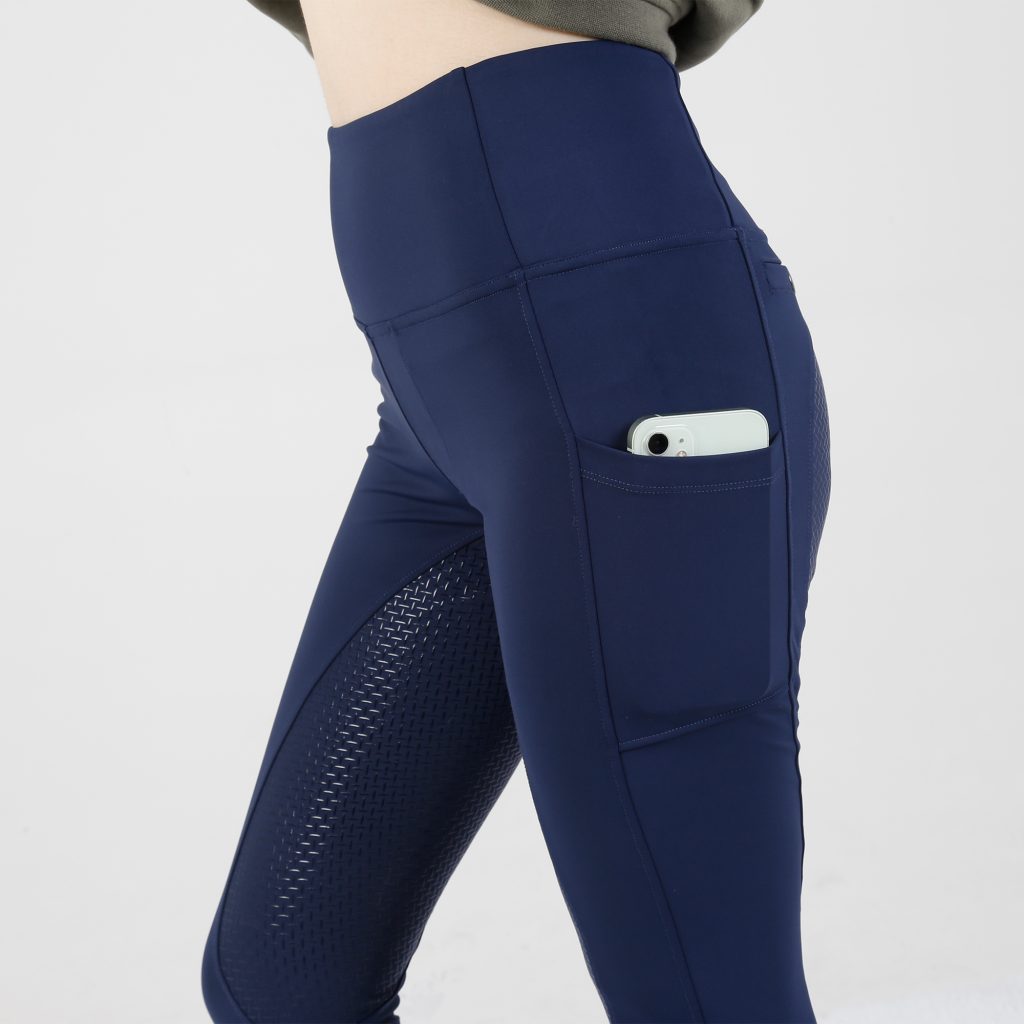
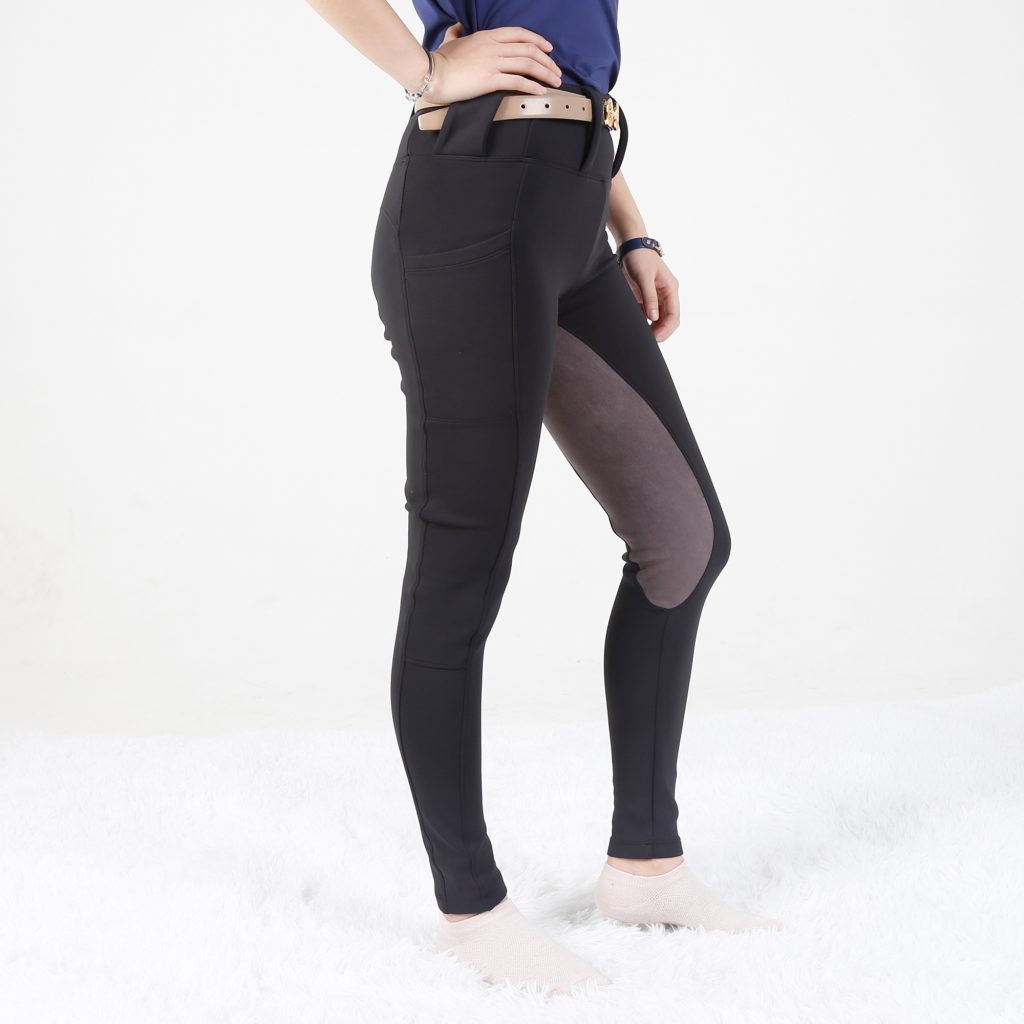
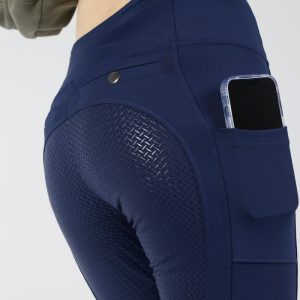
A modern alternative to traditional breeches. Riding tights use stretch fabrics, elastic waistbands, and minimal seams to provide comfort and flexibility, especially for casual riding and training.
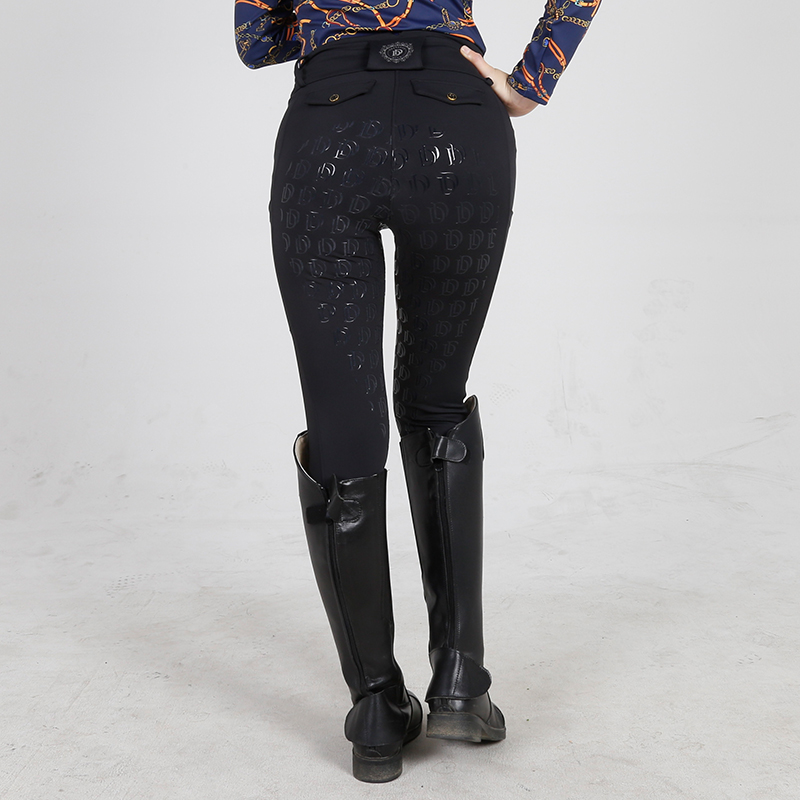
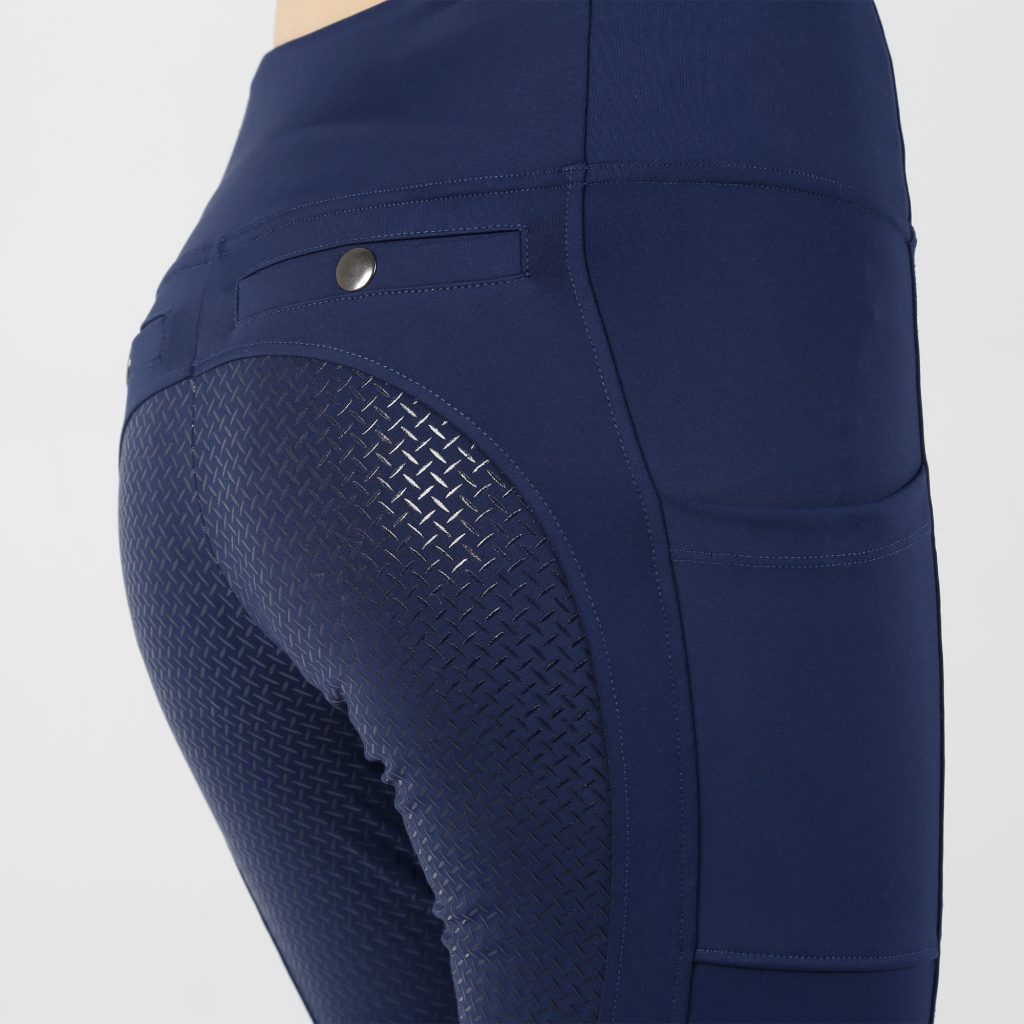
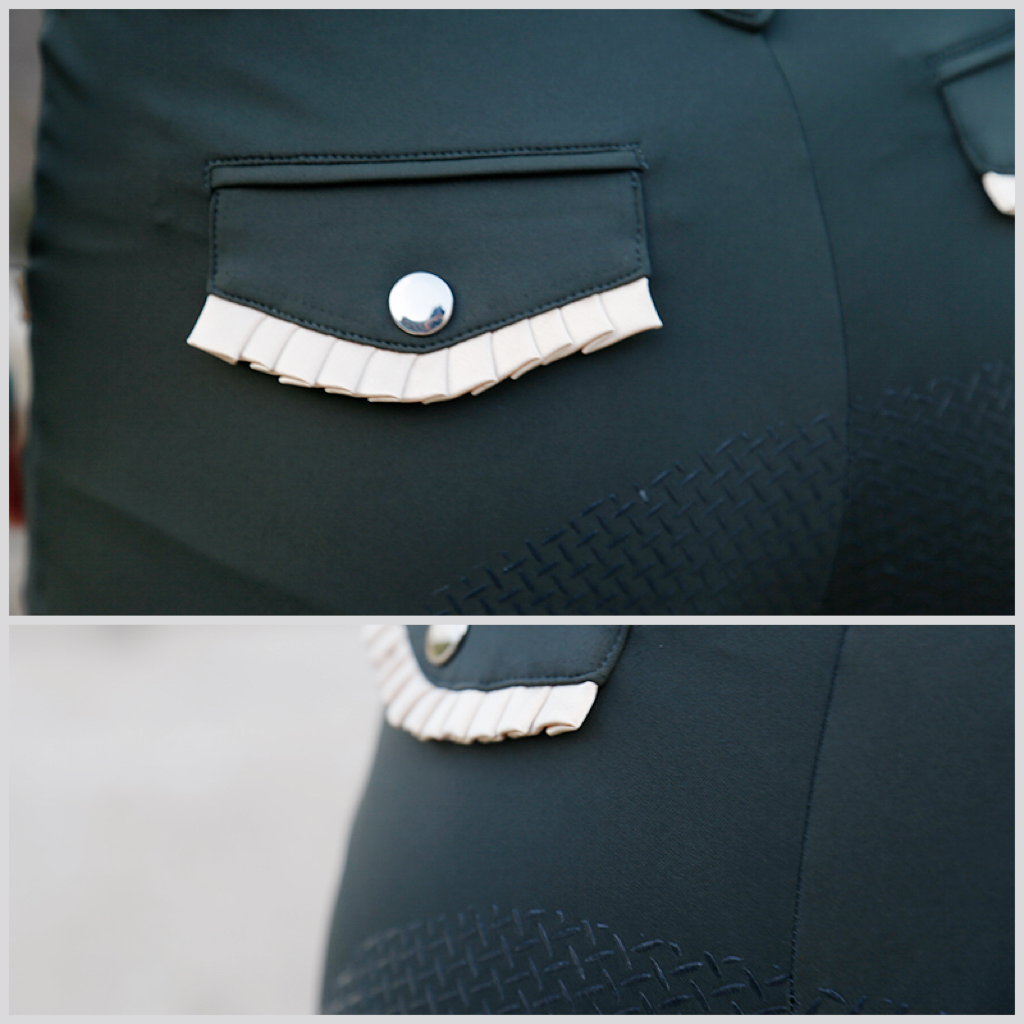
Breeches featuring grip material across the entire seat area to enhance stability and contact with the saddle.
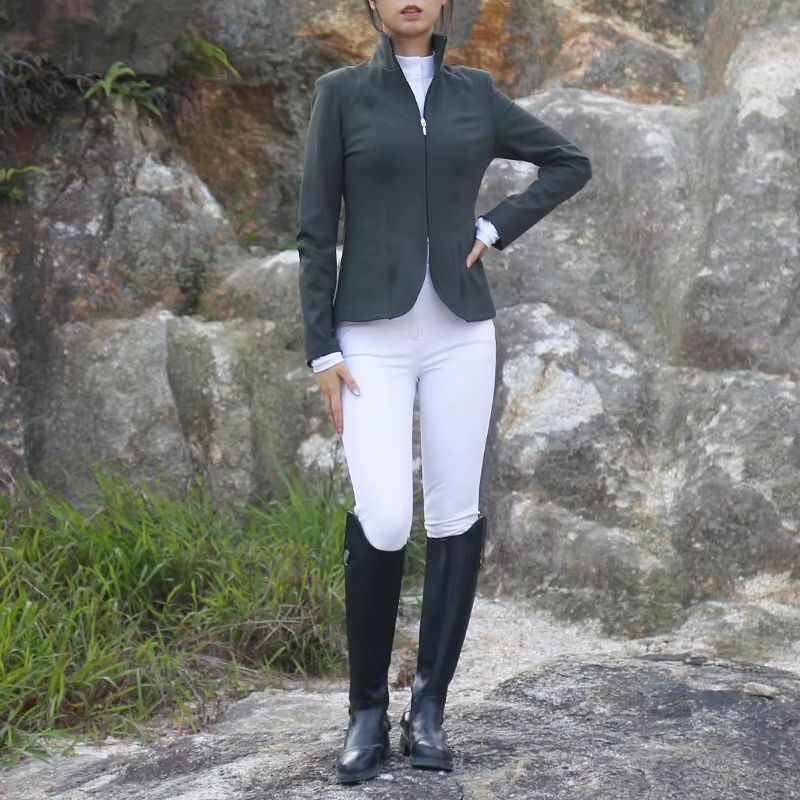
Softshell riding jackets offer a balance between flexibility and weather resistance. They are typically wind-resistant and mildly water-repellent while remaining breathable.
This type is popular for training sessions where mobility and comfort are priorities.
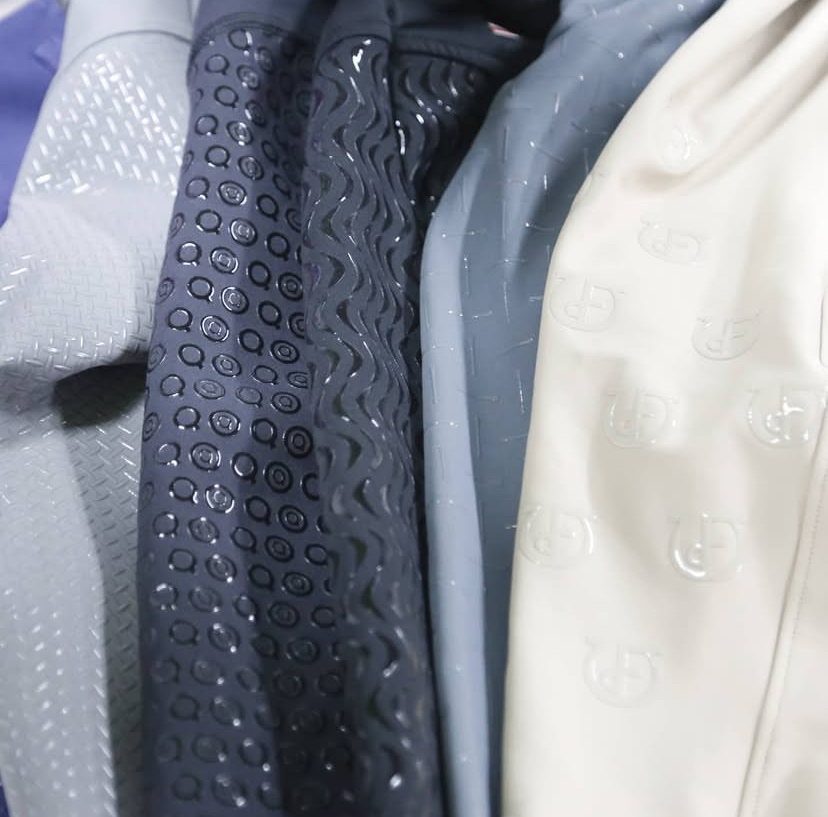
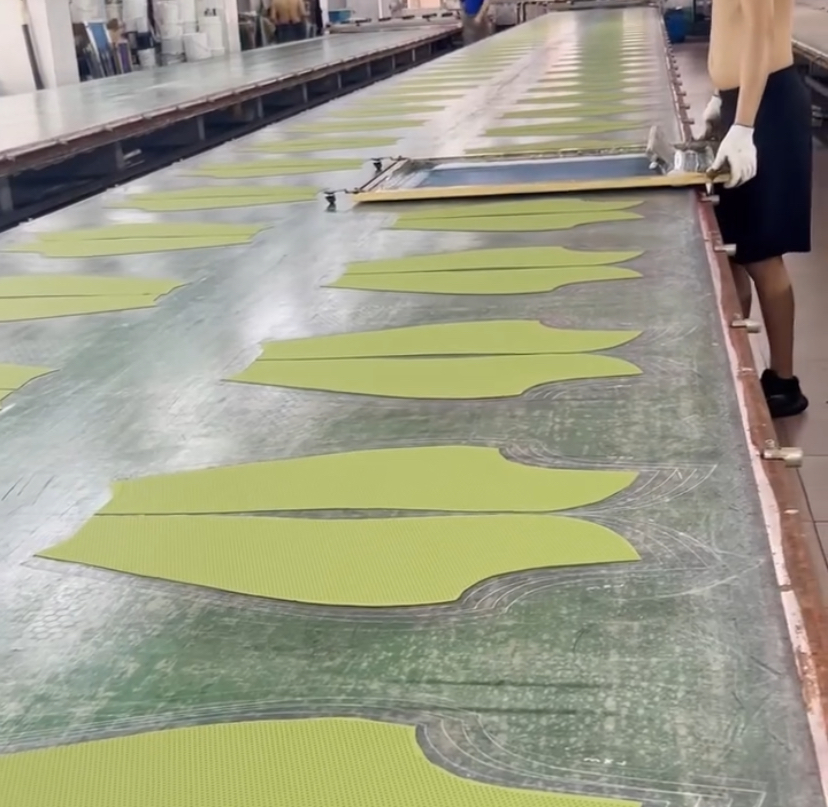
Materials or surface treatments—such as silicone or fabric patches—used to increase friction between the rider and the saddle for improved stability.
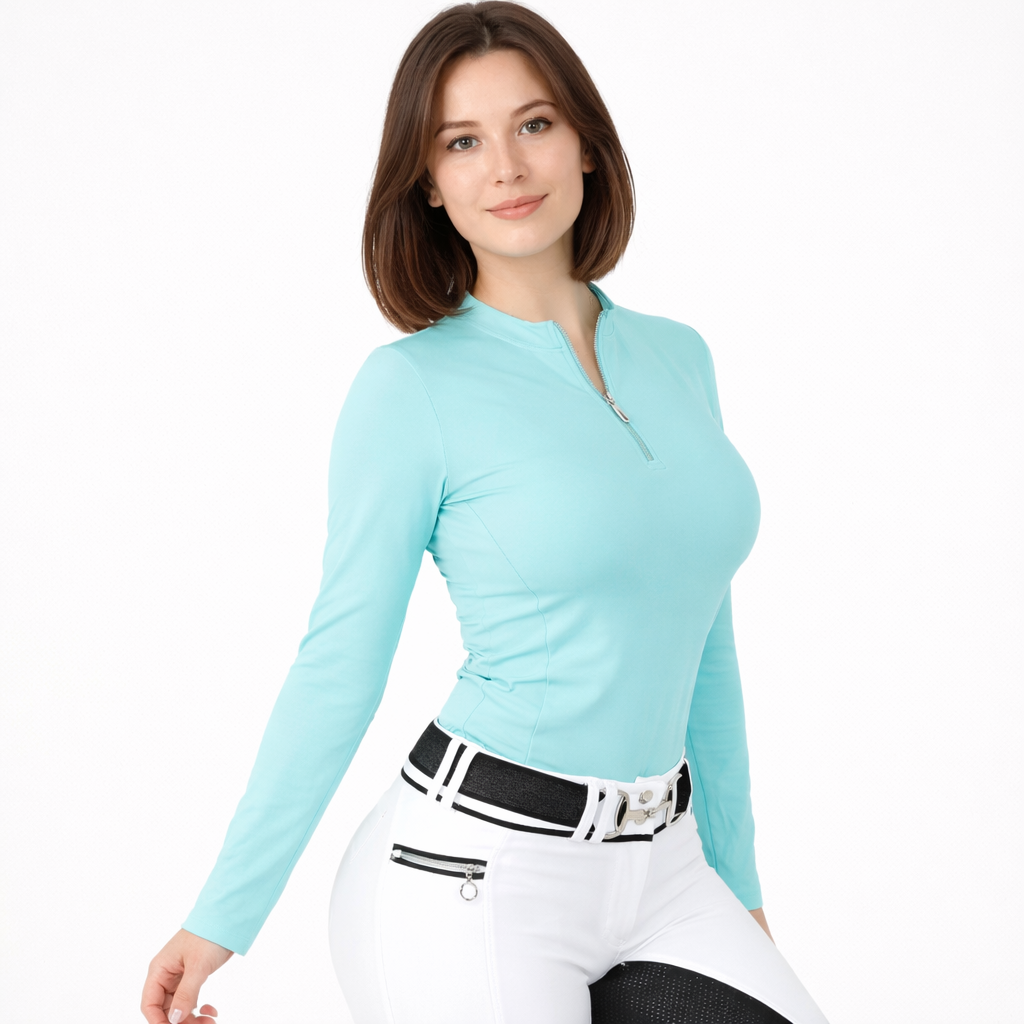
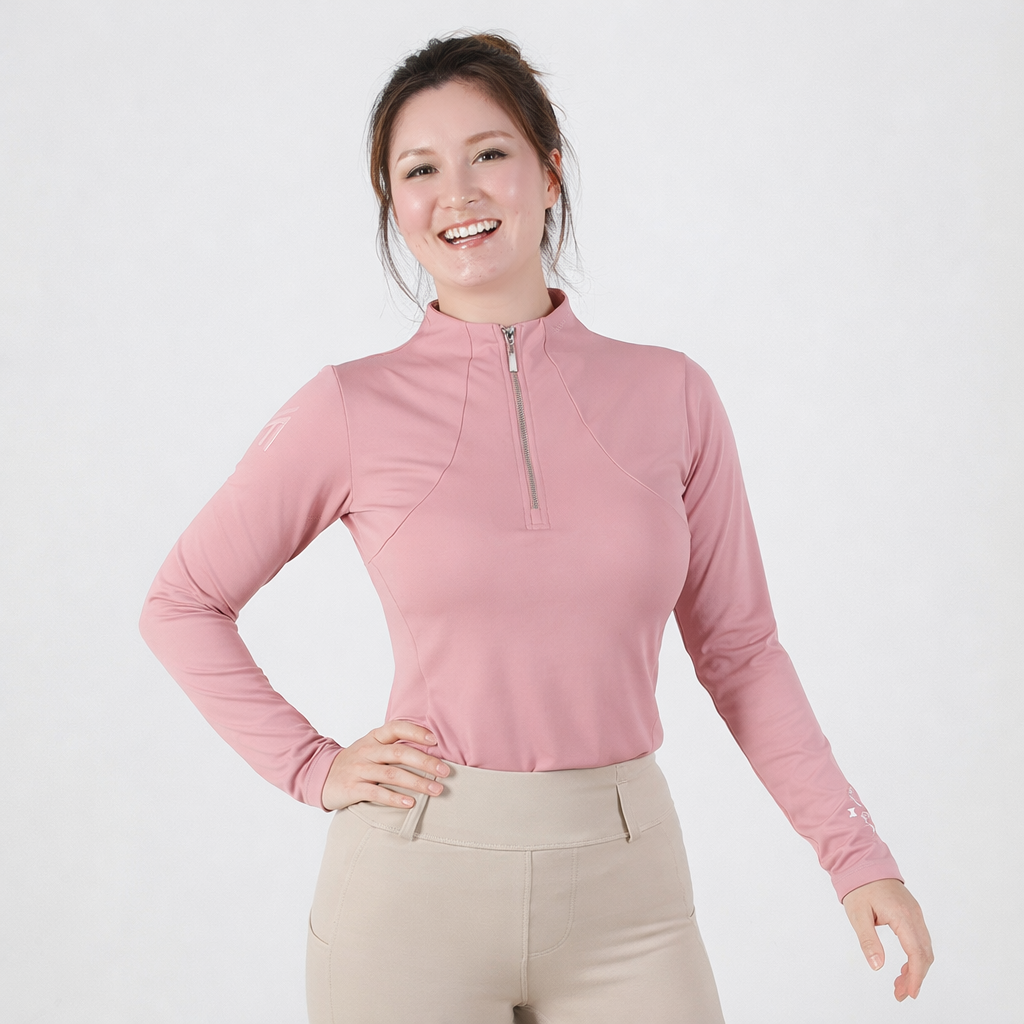
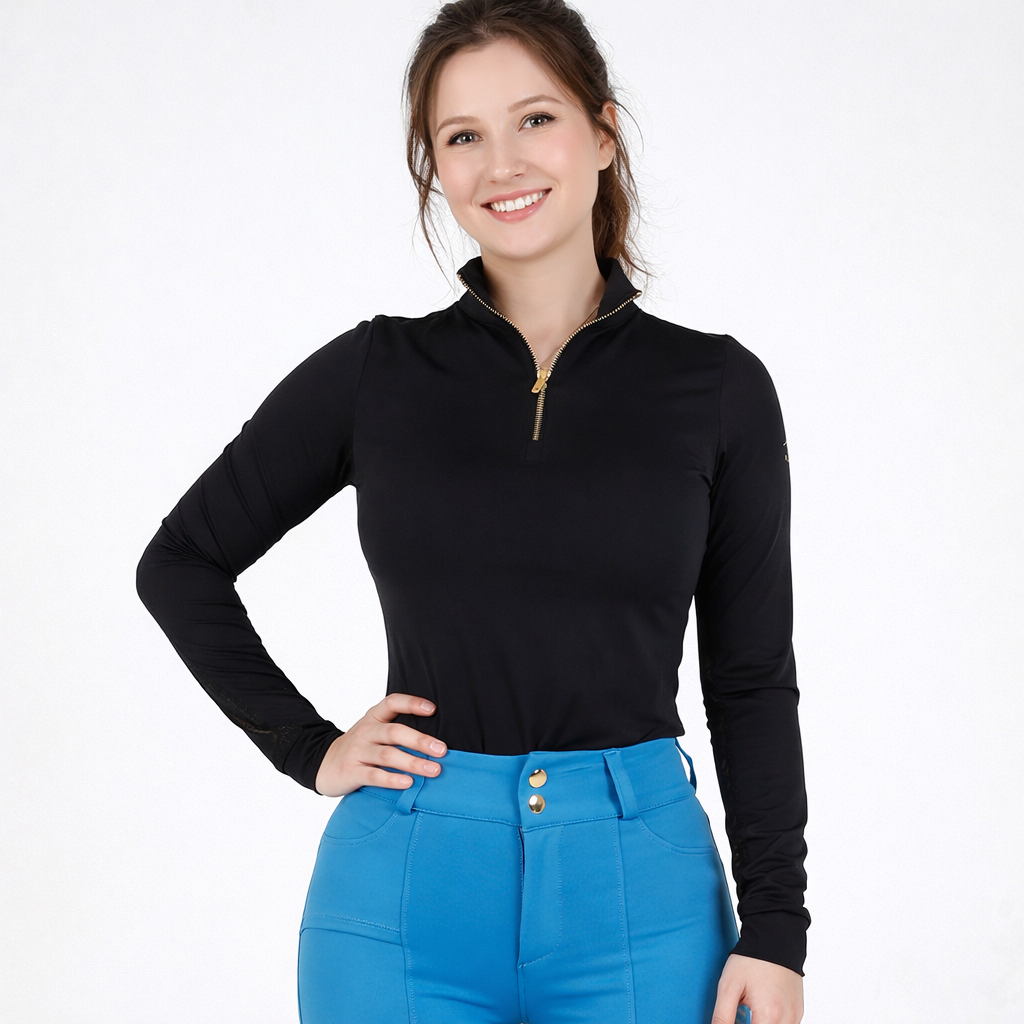
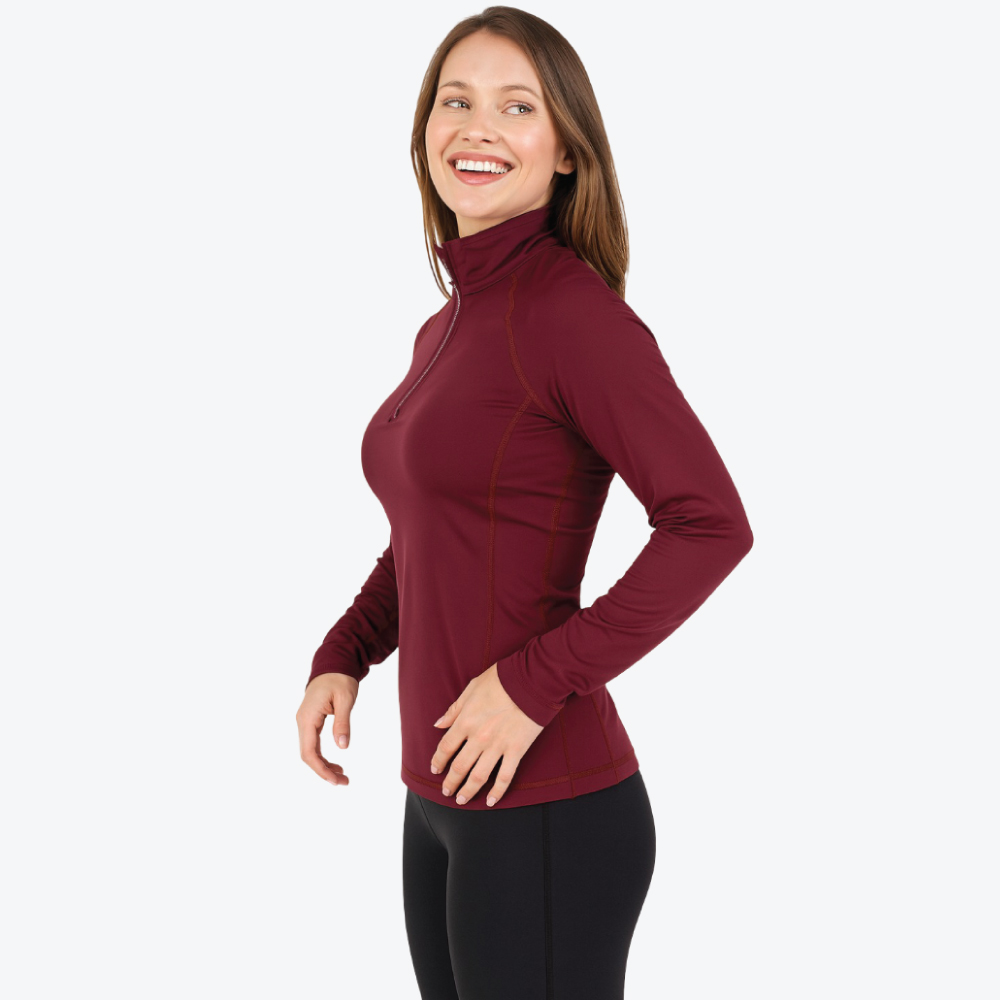
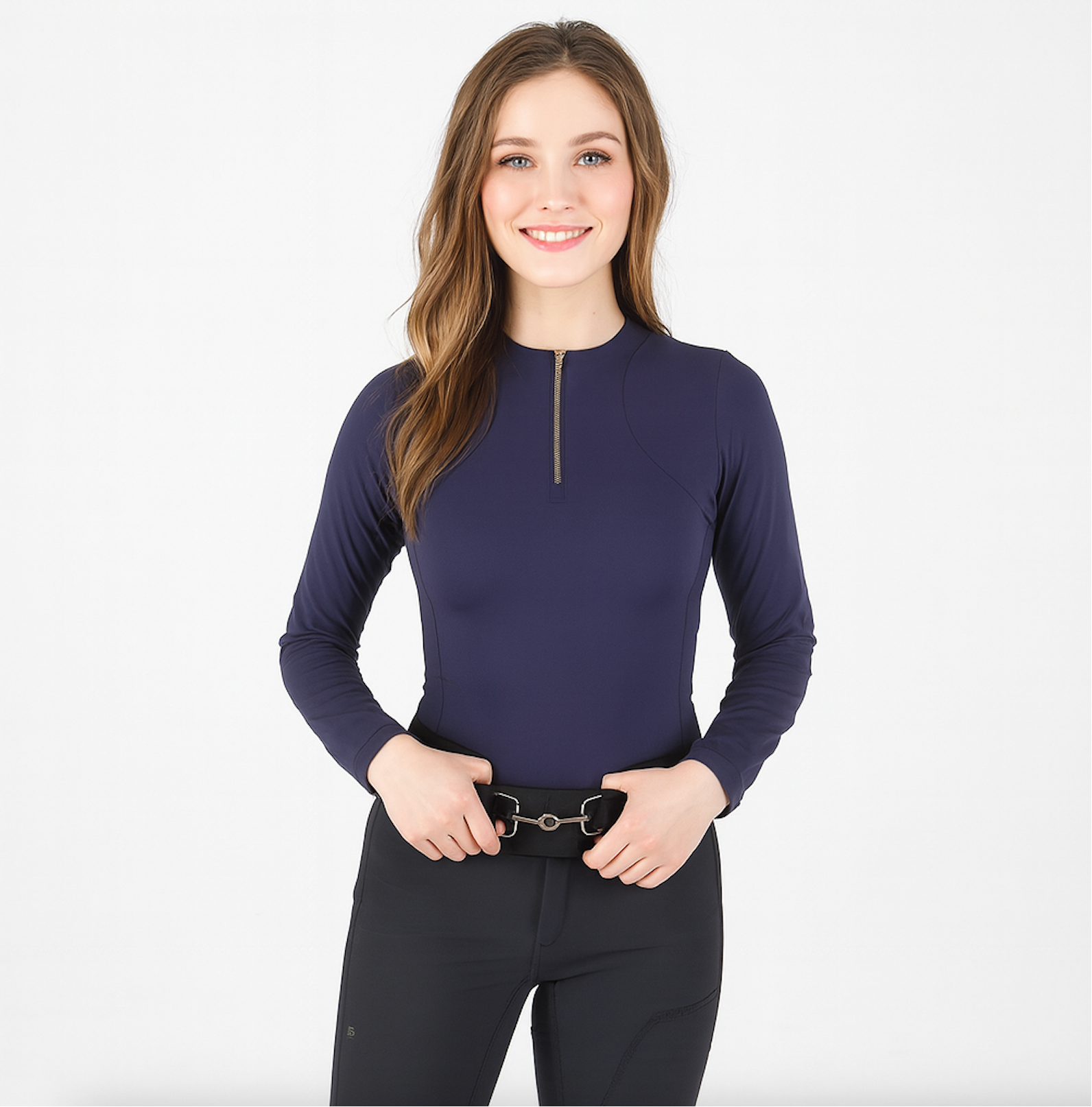
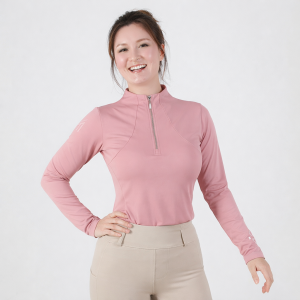
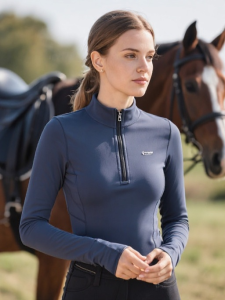
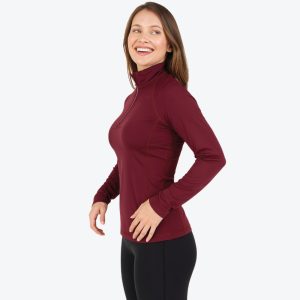
A lightweight garment worn close to the skin to manage moisture and temperature. Base layers are commonly used in equestrian apparel for comfort during varying weather conditions.
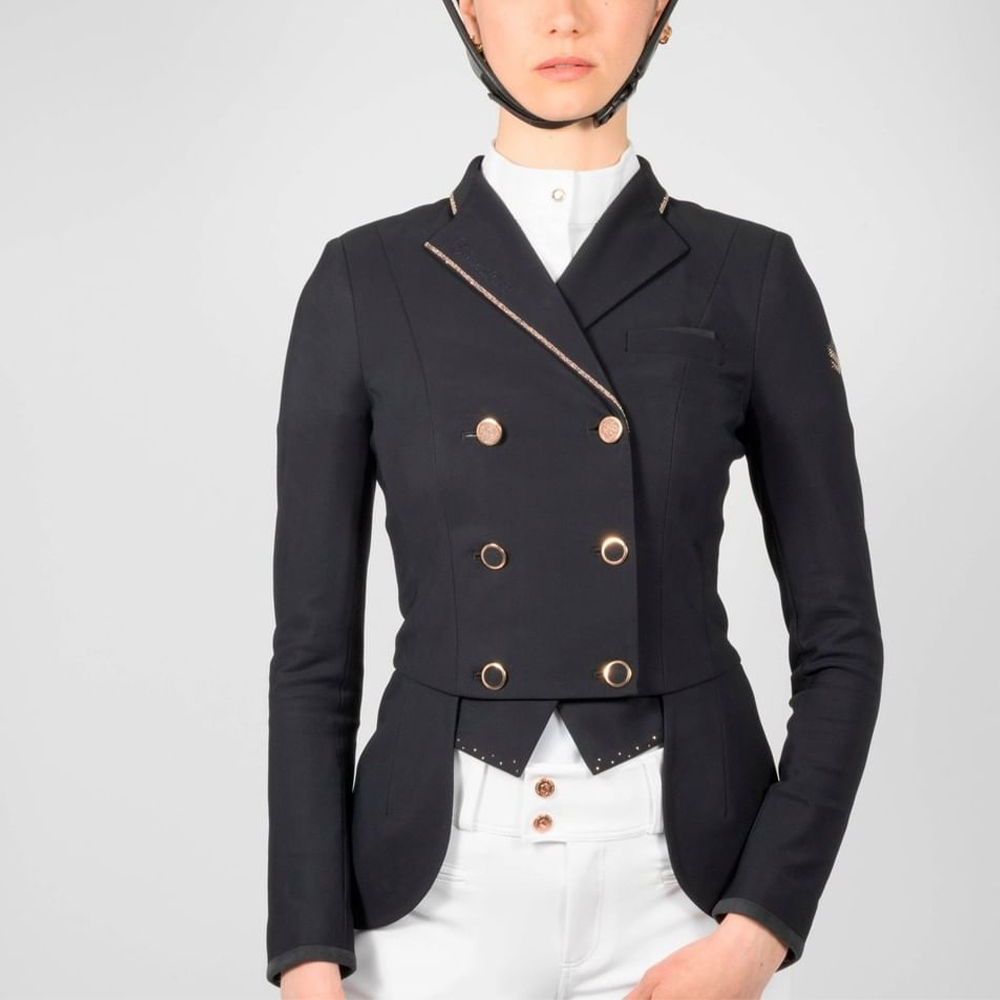
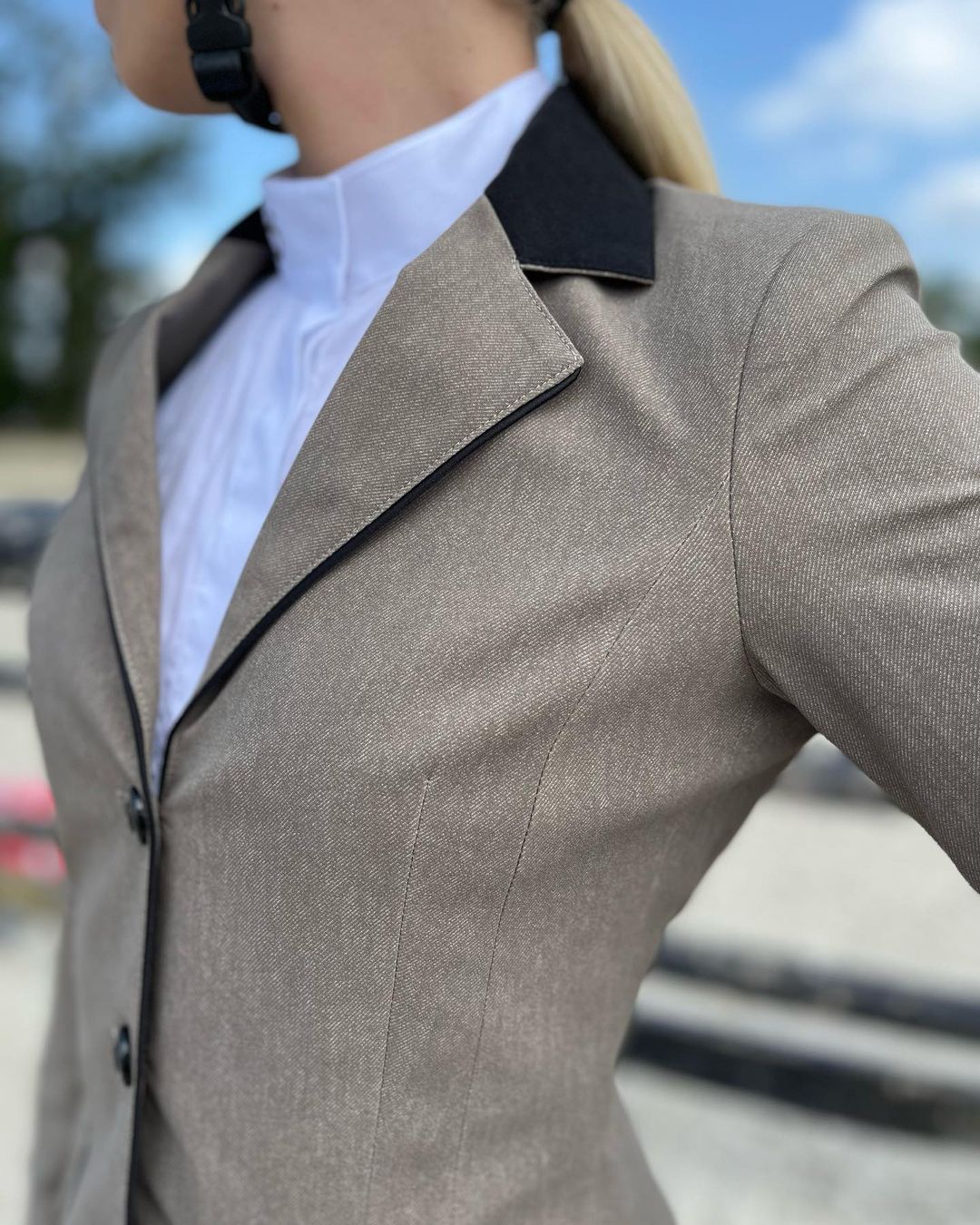
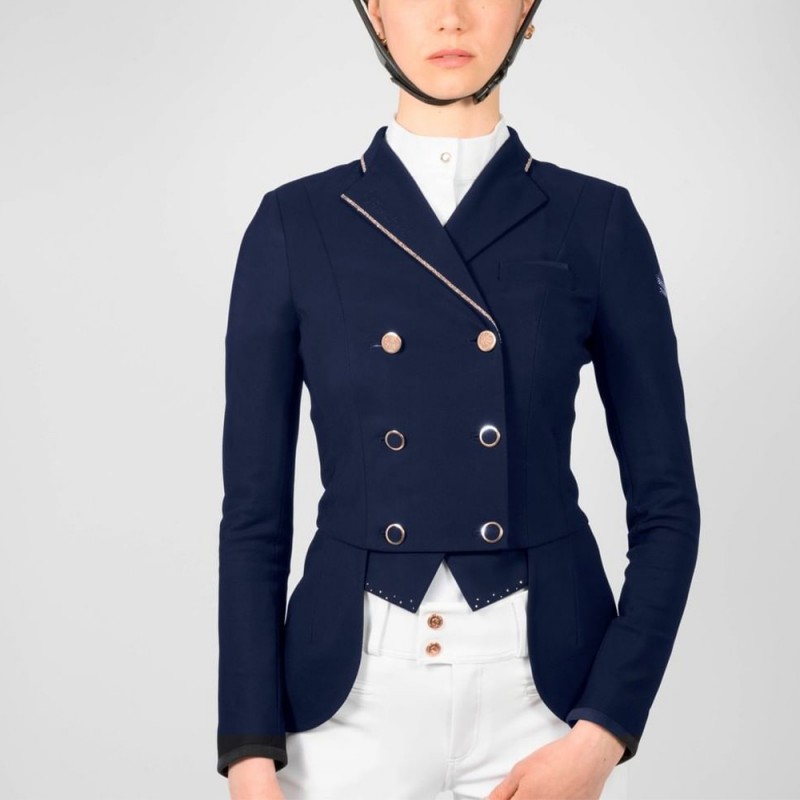
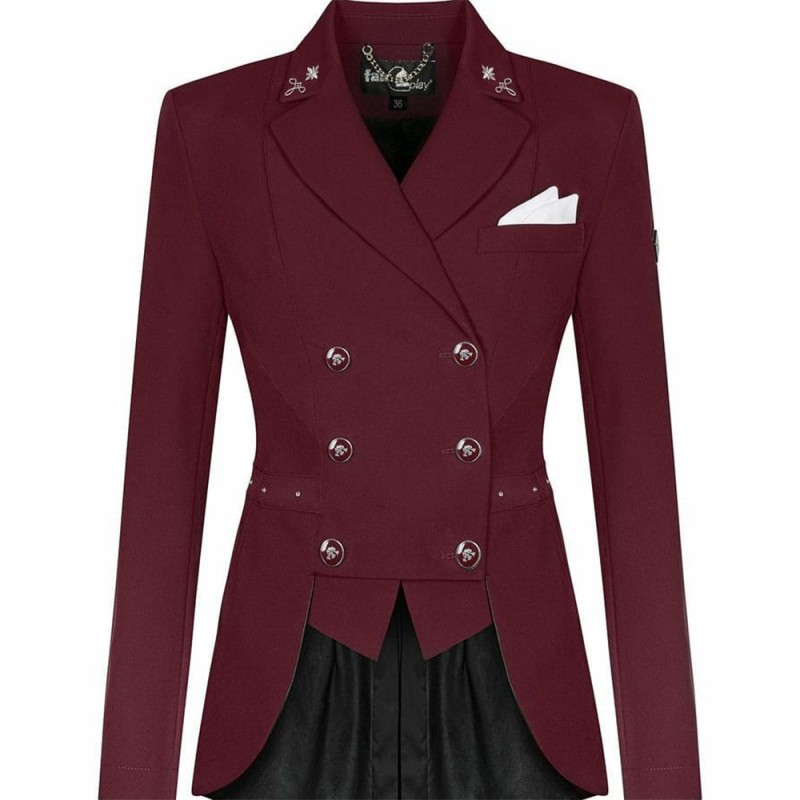
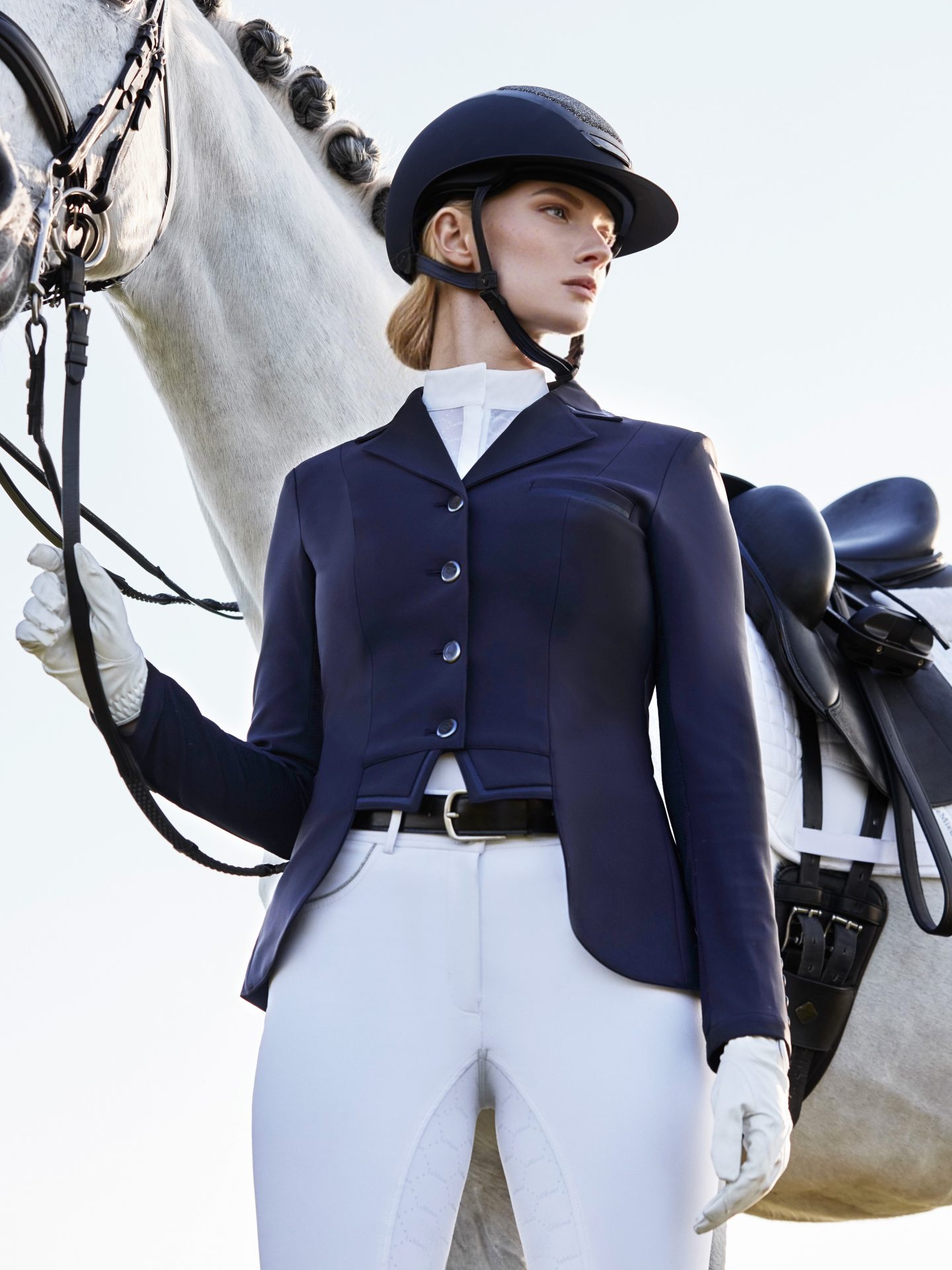
A structured outer garment traditionally worn in English riding competitions. Riding jackets emphasize presentation, fit, and tradition.
Footwear designed specifically for horse riding. Riding boots support leg position, protect the lower leg, and help maintain secure contact with stirrups.
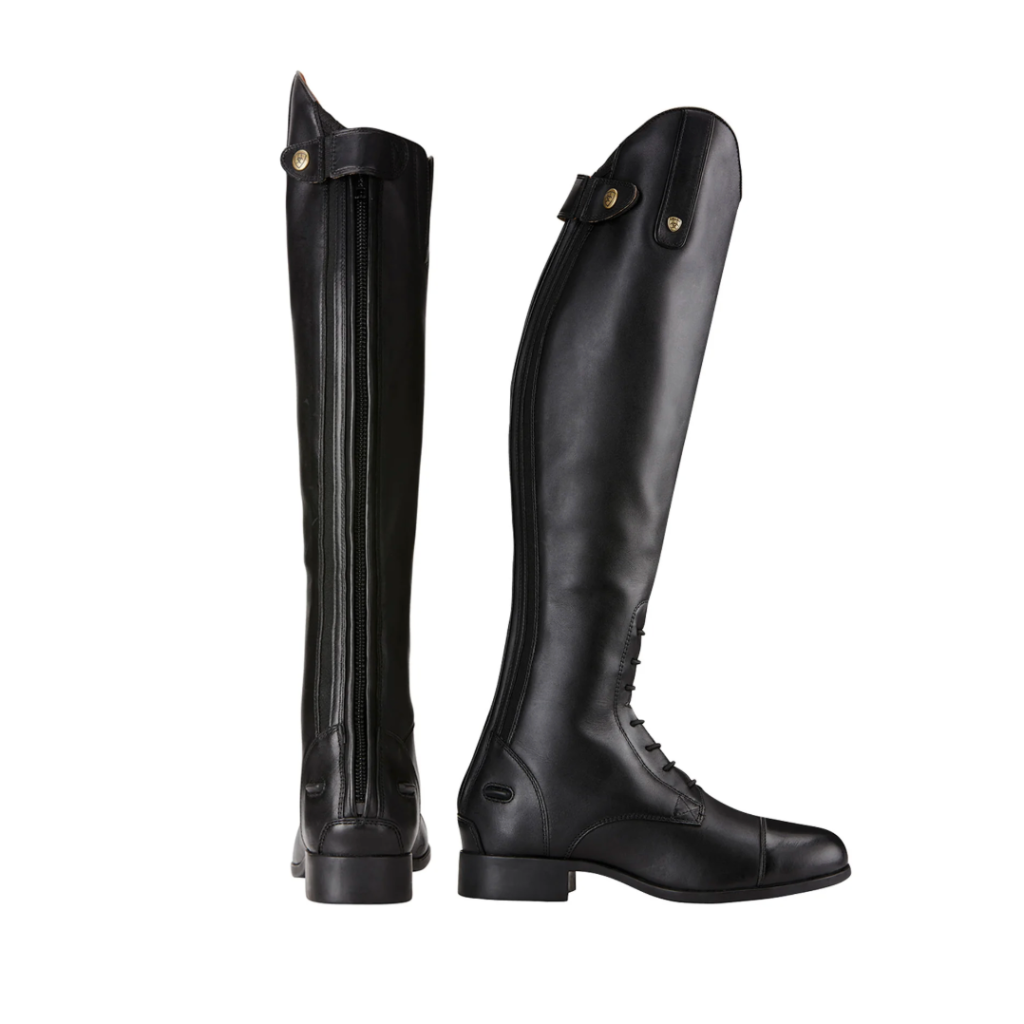
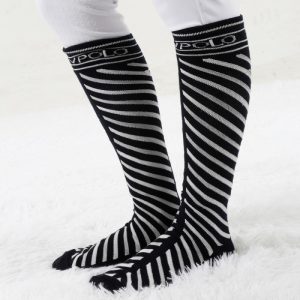
High riding boots extending up the calf, commonly used in English riding disciplines.
Find more from Dover Saddlery
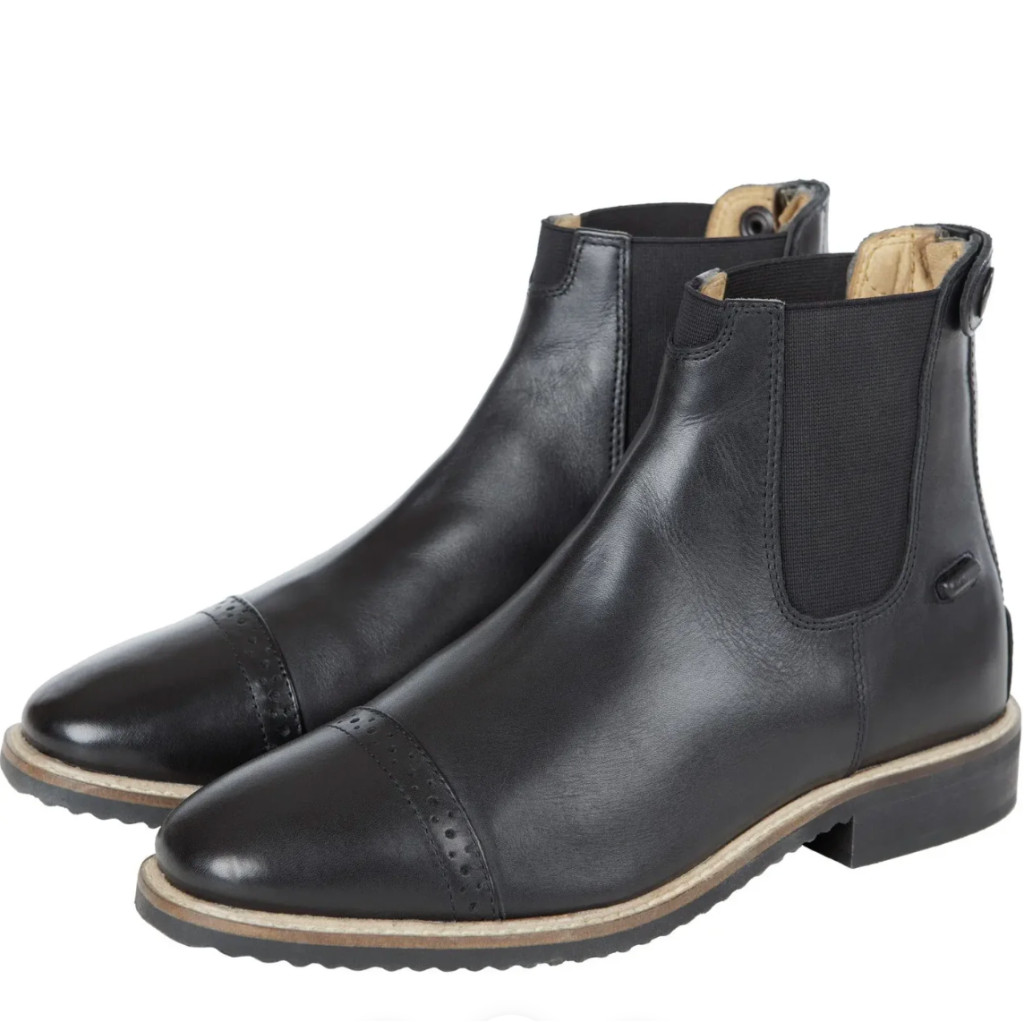
Short riding boots typically worn with half chaps. Often used for training and casual riding.
Find more from Huntley Equestrian
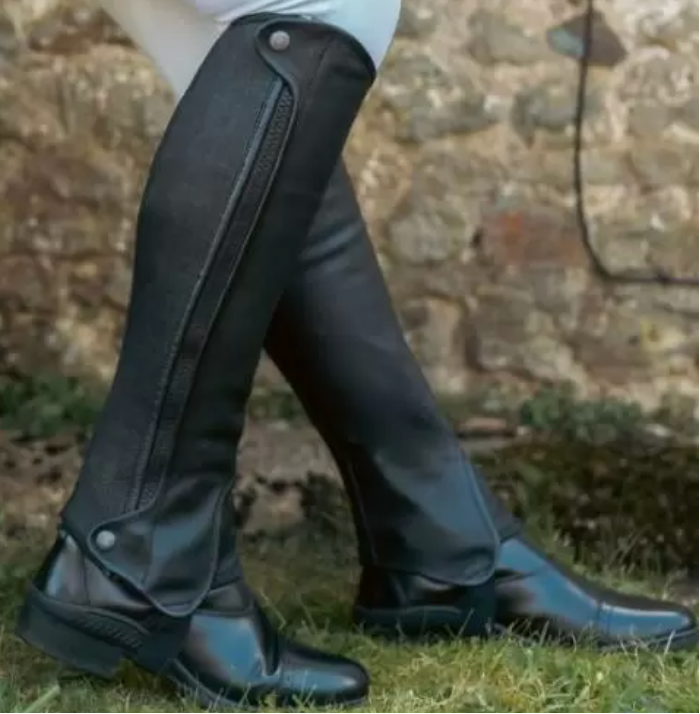
Lower-leg coverings worn over paddock boots. Common for training, everyday riding, and flexible comfort.
Find more from Just Chaps
Fabrics engineered to provide stretch, durability, breathability, and moisture management. Technical fabrics are widely used in modern equestrian clothing.
Insulating fabric designed to retain warmth while maintaining flexibility. Commonly used in winter riding apparel.
The strategic positioning of seams in a garment to reduce friction, pressure points, and discomfort during riding.
Equestrian clothing designed for daily training and riding lessons rather than formal competition.
Riding clothing created to meet specific presentation and rule requirements for shows and competitions.
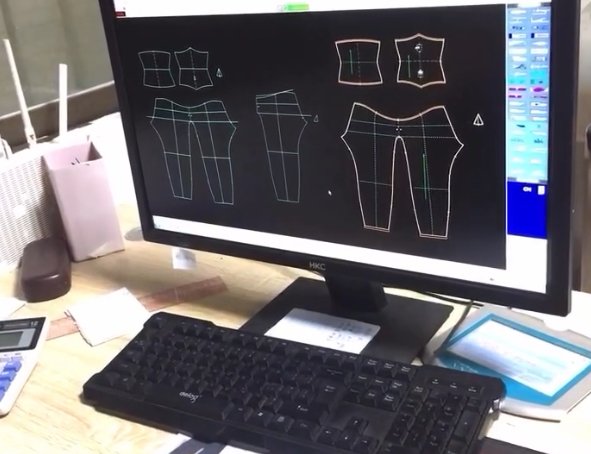
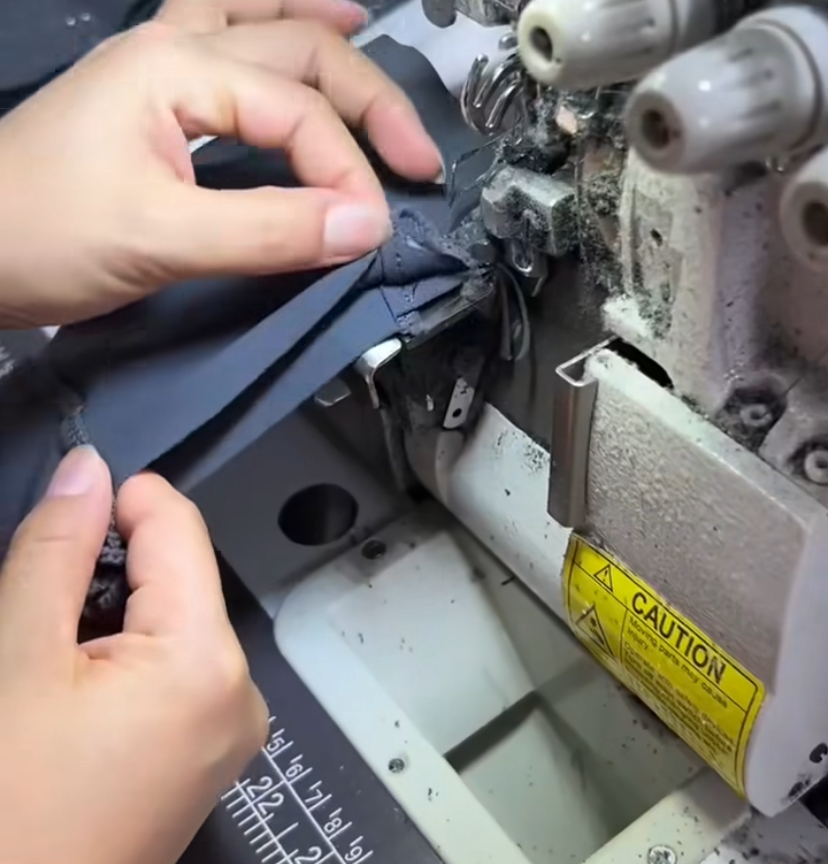
A company that designs and produces equestrian clothing, often supplying brands, retailers, or riding schools.
A manufacturing supplier based in China specializing in equestrian apparel production, including private label and OEM/ODM services for international brands.
A manufacturing model where products are produced based on a client’s design and specifications.
A structured outer garment traditionally worn in English riding competitions. Riding jackets emphasize presentation, fit, and tradition.
Products manufactured by one company and branded under another company’s name.
This Equestrian Apparel Terminology article is intended as a practical reference for riders, buyers, and industry professionals seeking to better understand equestrian apparel terminology. As equestrian clothing continues to evolve, terminology may expand alongside new materials, technologies, and riding disciplines.
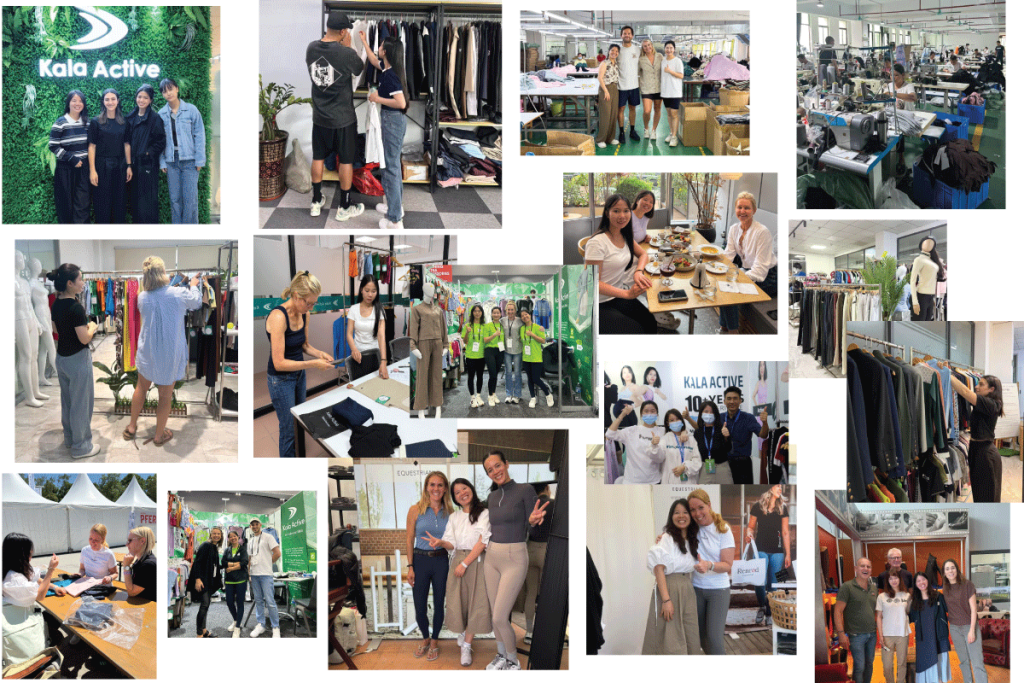
The content is developed by Kala Apparel, specializing in equestrian clothing design and manufacturing. The team works closely with riding brands and equestrian projects, focusing on functional design, rider safety, and material performance across different riding environments.