Kala Apparel - 10+ years premium clothing manufacturer

Share

10 Types of Horse Riding Jackets and Their Uses

Horse riding jackets are an important part of equestrian apparel, designed to protect riders from weather conditions while allowing freedom of movement in the saddle. Different riding environments, disciplines, and seasons require different types of jackets, each with its own purpose.

This guide explains 10 common types of horse riding jackets and their uses, helping riders understand how outerwear functions within an equestrian clothing system.

Different Riding Jackets Explained

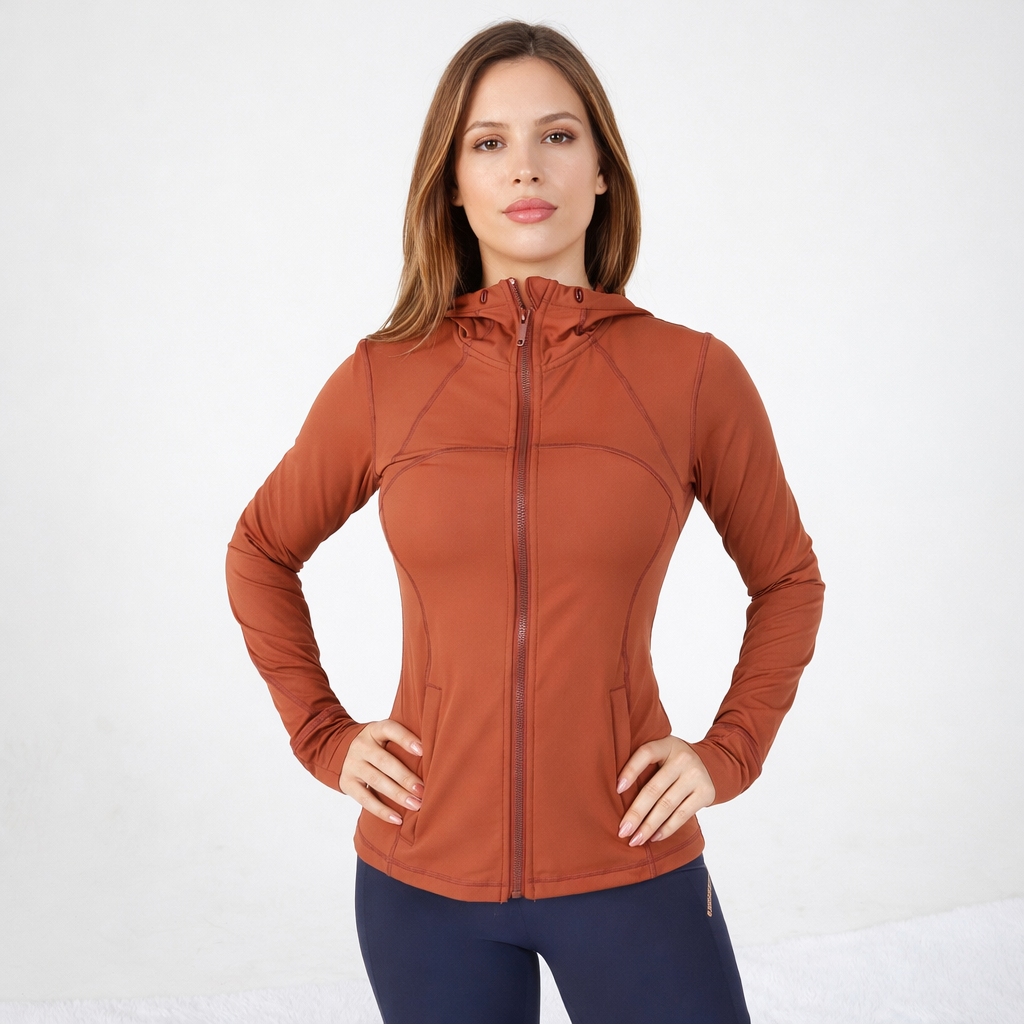
1. Lightweight Riding Jackets

Lightweight riding jackets are designed for mild weather and transitional seasons. They provide basic protection from wind and light chill without adding bulk.

These jackets are commonly worn during spring and autumn riding or layered over base layers in cooler conditions.

riding jackets in orange color

Source: Kala Equestrian

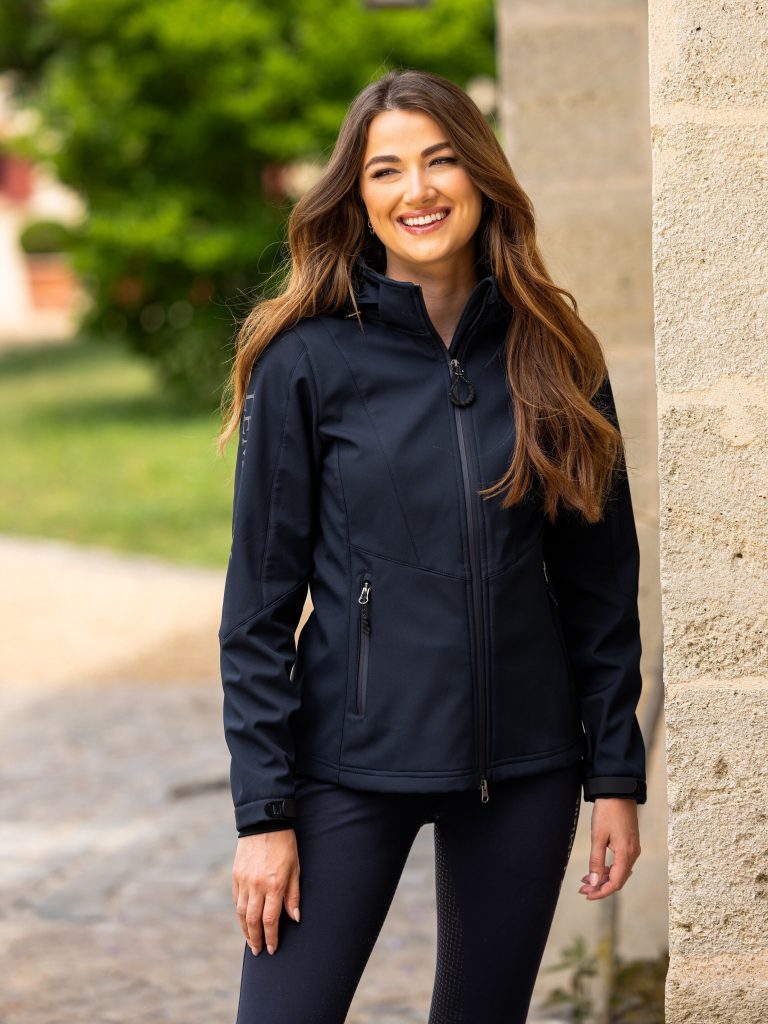
2. Softshell Riding Jackets

Softshell riding jackets offer a balance between flexibility and weather resistance. They are typically wind-resistant and mildly water-repellent while remaining breathable.

This type is popular for training sessions where mobility and comfort are priorities.

英国 Lemieux - soft shell riding jackets

Source: Lemieux

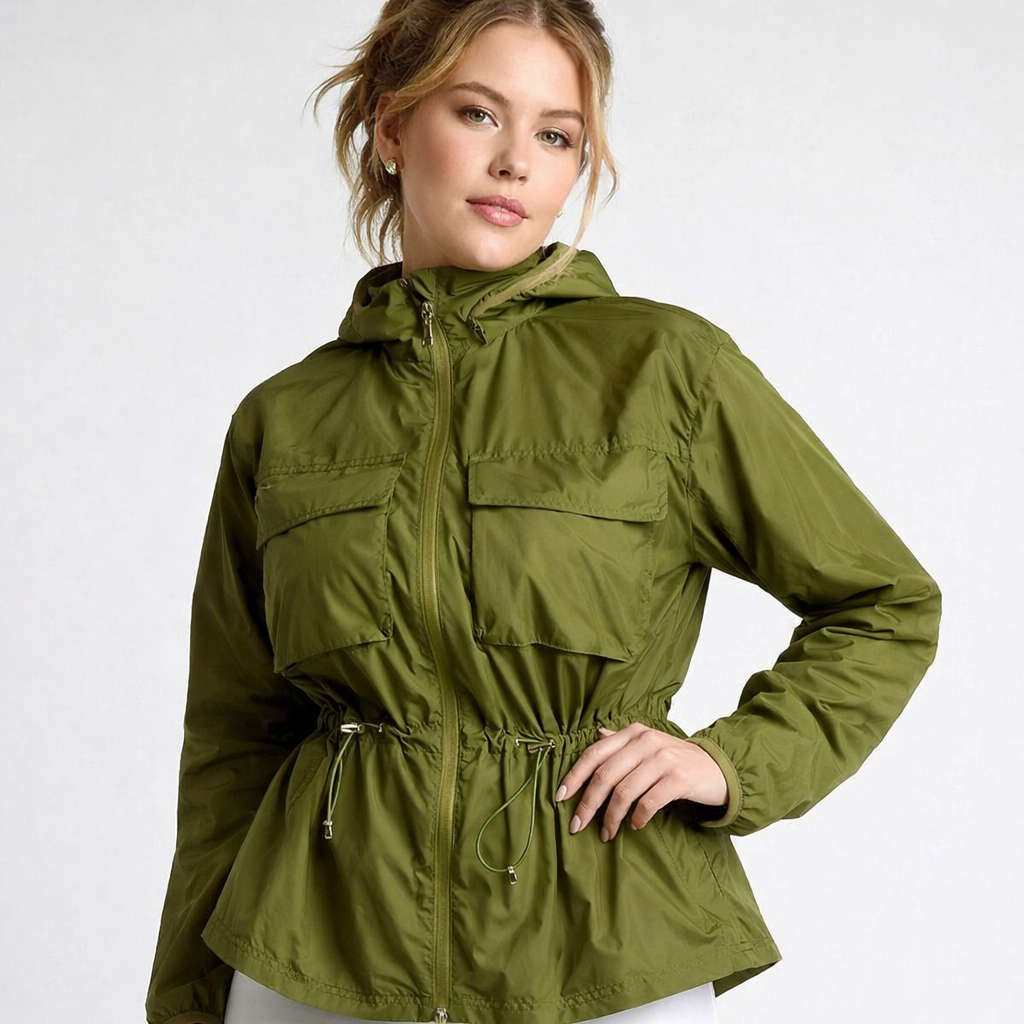
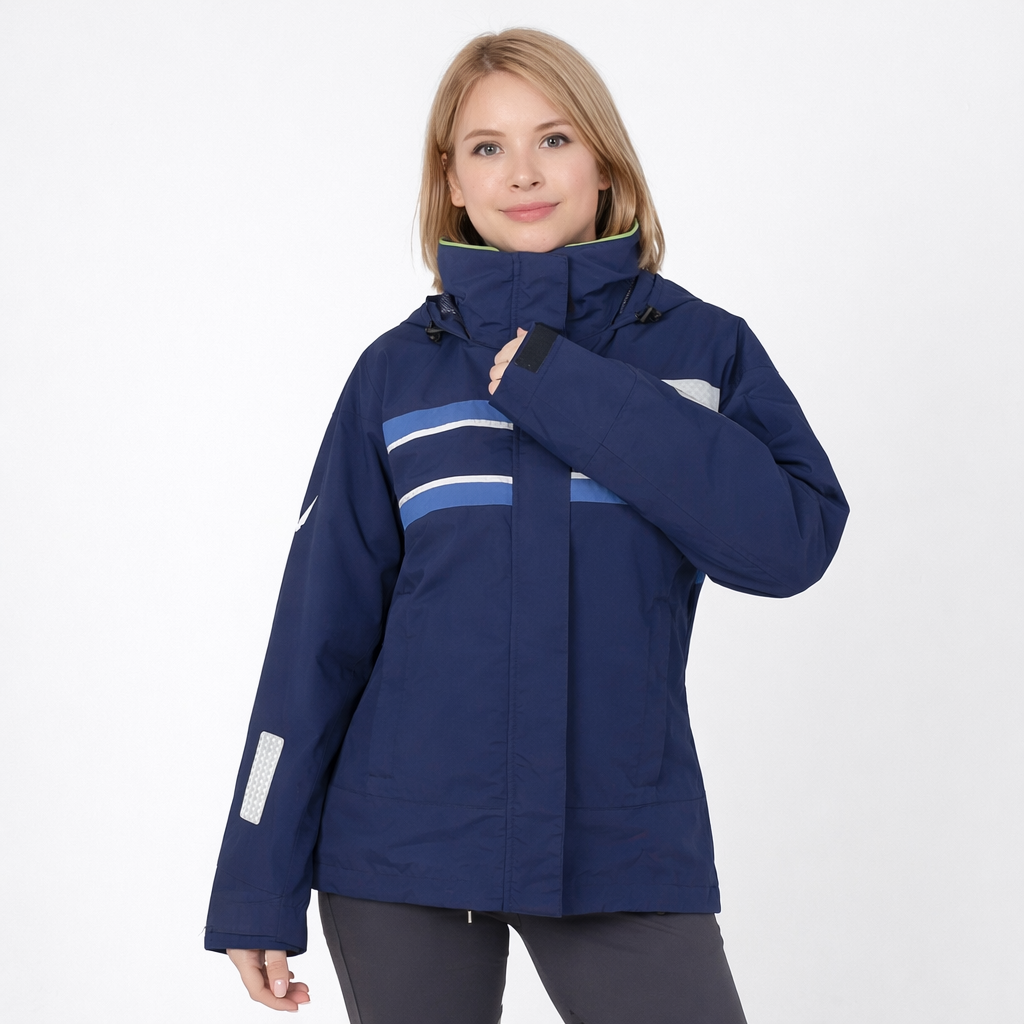
3. Waterproof Riding Jackets

Waterproof riding jackets are designed to protect riders from rain and wet conditions. They are often used during outdoor riding, hacking, or stable work in unpredictable weather.

These jackets focus on weather protection while maintaining sufficient movement for riding.

Riding jackets - rain coat in green color

Source: Kala Equestrian

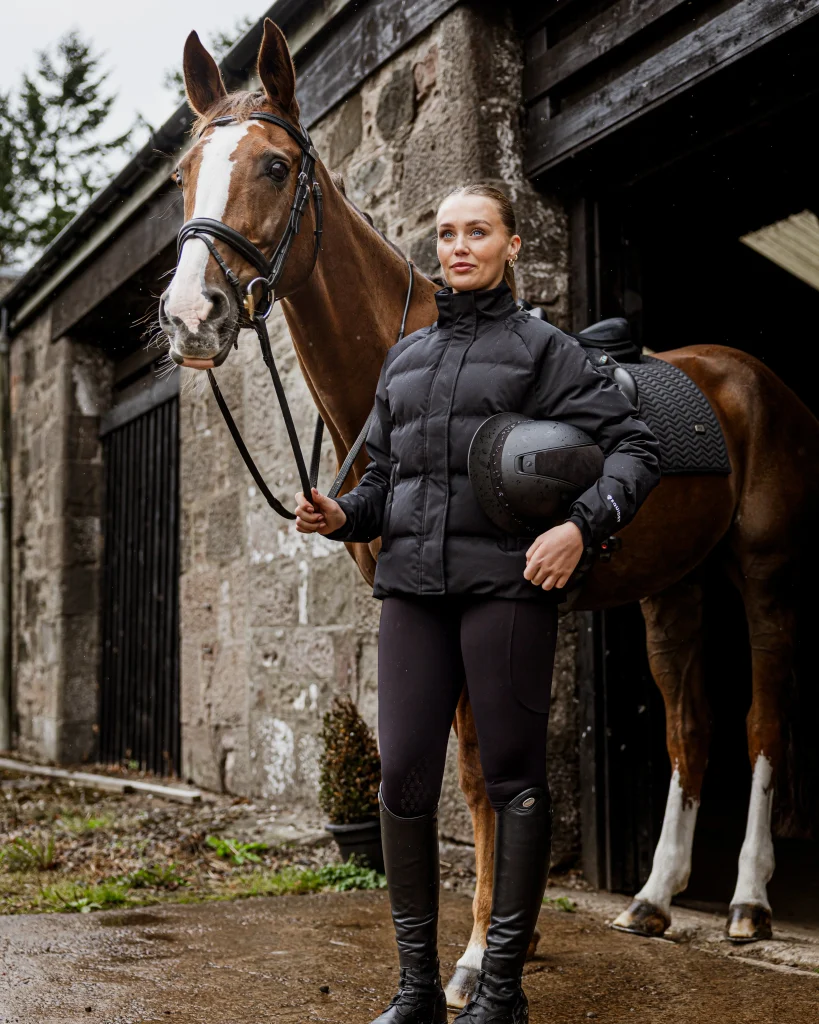
4. Insulated Riding Jackets

Insulated riding jackets are made for cold-weather riding. They incorporate insulation materials to retain warmth while allowing riders to remain active.

They are commonly worn during winter training and outdoor riding in low temperatures.

Source: Equidry

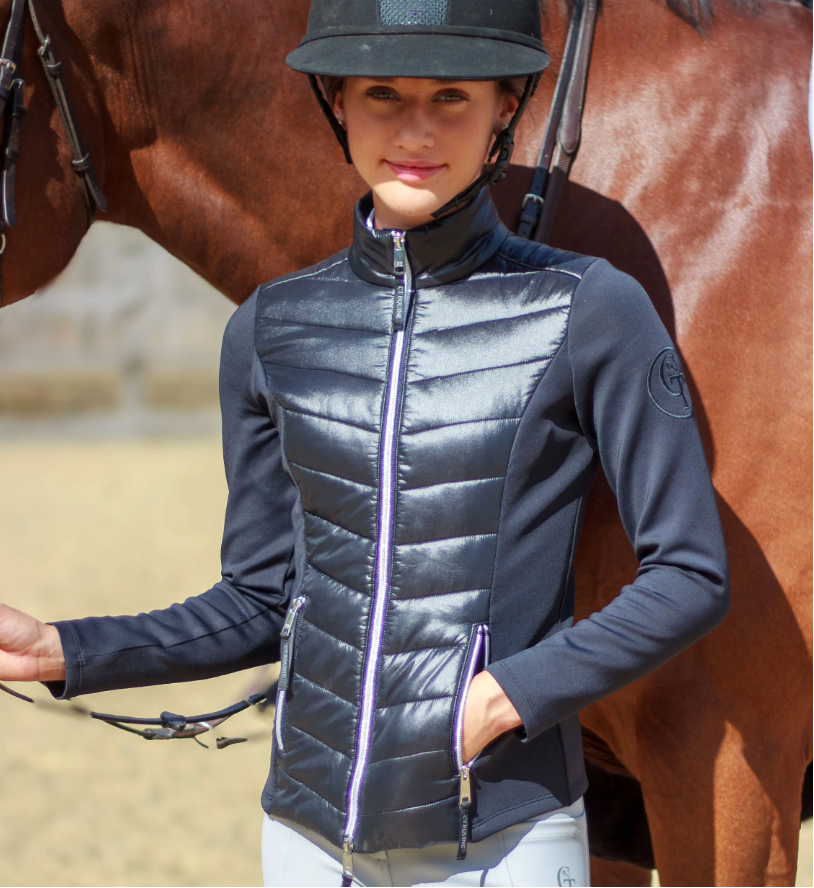
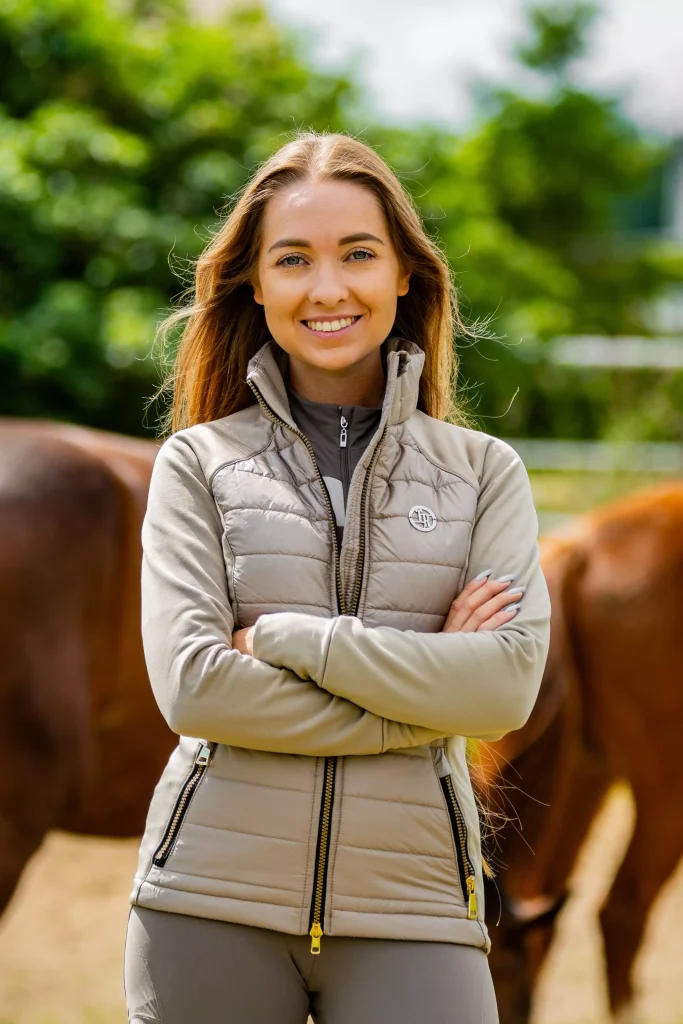
5. Quilted Riding Jackets

Quilted riding jackets use stitched panel construction to evenly distribute insulation. They provide warmth without excessive bulk and maintain a structured appearance.

This type is widely used for everyday riding and stable wear.

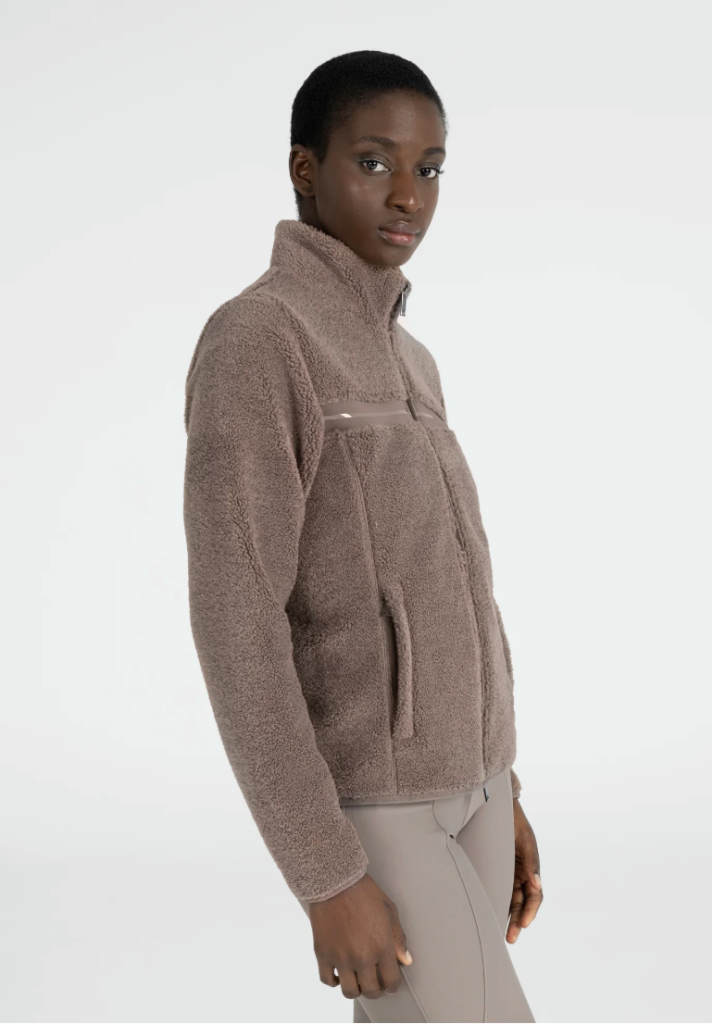
6. Fleece Riding Jackets

Fleece riding jackets offer warmth and softness, making them suitable for layering or mild cold conditions. They are breathable and comfortable for active riding.

Fleece jackets are often worn as mid-layers rather than outermost protection in harsh weather.

Source: Maximilian

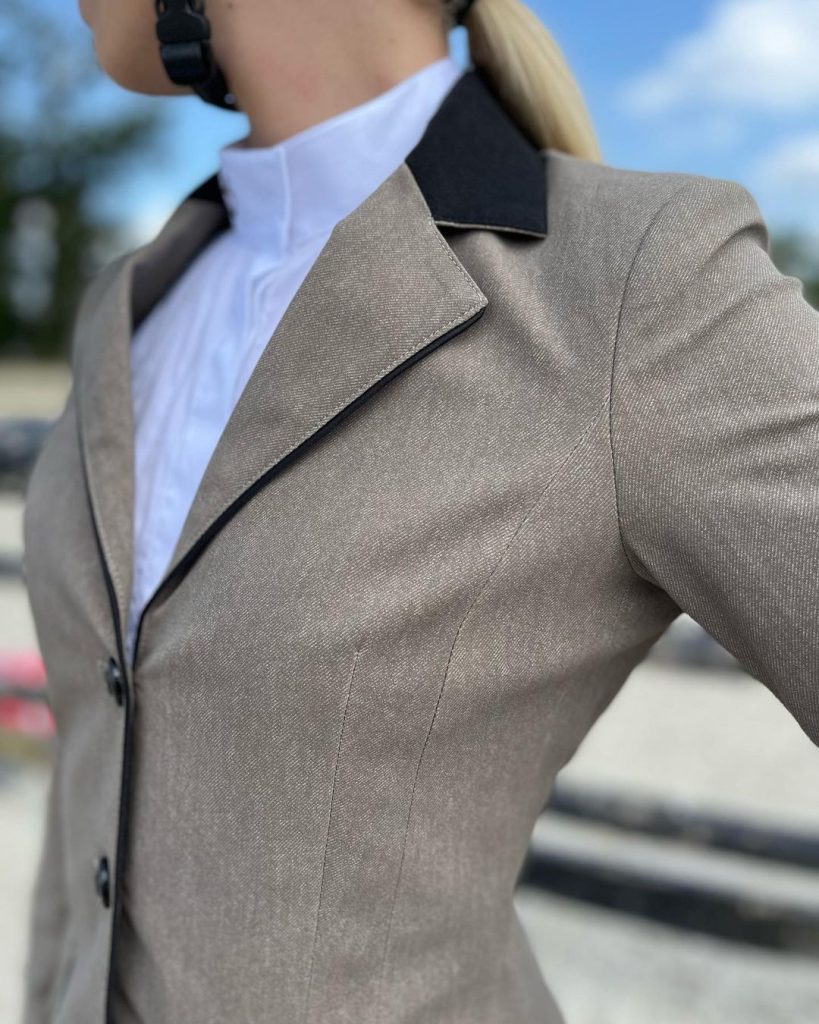
7. Competition Riding Jackets

Competition riding jackets are designed to meet formal presentation standards in equestrian shows. They emphasize fit, structure, and traditional appearance.

These jackets are typically worn during competitions rather than daily training.

Source: Kala Equestrian

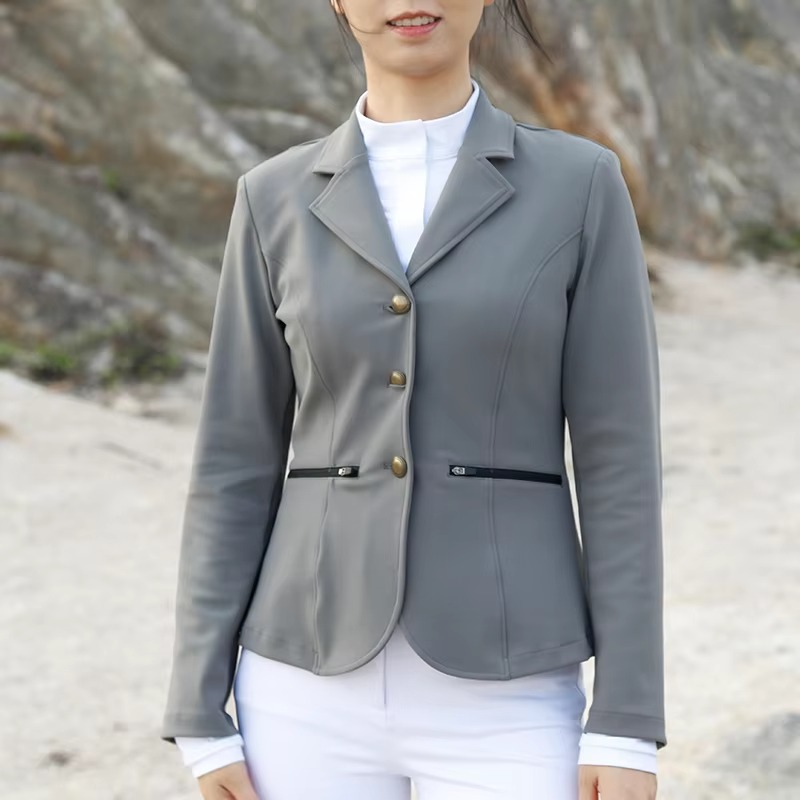
8. Training Riding Jackets

Training riding jackets are designed for regular use and daily riding sessions. They prioritize durability, comfort, and ease of movement over formal appearance.

This type is commonly used by riders who train frequently.

Source: Kala Equestrian

9. Long Riding Coats

Long riding coats extend below the waist to provide additional coverage and warmth. They are often used in cold or windy outdoor conditions.

Some long riding coats include riding-specific features such as rear vents to accommodate saddle position.

Source: Kala Equestrian

10. Hybrid Riding Jackets

Hybrid riding jackets combine features from different jacket types, such as insulation with softshell panels or waterproof sections with breathable areas.

These jackets are designed for versatility across changing weather and riding conditions.

Source: TrueRider

How Riding Jackets Fit into an Equestrian Layering Syste

Riding jackets are typically worn as part of a layering system, working together with base layers and mid-layers to regulate temperature and comfort.

Choosing the right jacket depends on how it interacts with other layers, rather than treating it as a standalone garment.

Fabric and Construction Considerations

Horse riding jackets are commonly made from technical fabrics that balance durability, flexibility, and weather resistance. Construction details such as seam placement, stretch panels, and riding-specific cuts help ensure comfort in the saddle.

These design elements allow jackets to perform effectively without restricting movement.

Choosing the Right Riding Jacket for Your Needs

When selecting a riding jacket, riders often consider:

  • Weather conditions

  • Riding intensity

  • Indoor vs outdoor riding

  • Layering preferences

Many riders own multiple jackets and rotate them depending on season and activity.

Using This Guide as a Practical Reference

Understanding the different types of horse riding jackets helps riders build a functional equestrian wardrobe. By focusing on function and intended use, riders can choose jackets that support comfort and performance across various riding conditions.

Frequently Asked Questions

Do riders need different jackets for different seasons?

Yes. Seasonal changes often require different jacket types to maintain comfort.

Can riding jackets be used for stable work?

Many training and waterproof riding jackets are suitable for stable use.

Are competition jackets suitable for everyday riding?

Competition jackets are typically reserved for shows rather than daily training.

Kala Apparel
Professional Equestrian Clothing Manufacturer

The content is developed by Kala Apparel, specializing in equestrian clothing design and manufacturing. The team works closely with riding brands and equestrian projects, focusing on functional design, rider safety, and material performance across different riding environments.

For brands planning their next collection, explore our 2027 equestrian apparel trends covering new directions in breeches, technical tops and equestrian lifestyle wear.