Kala Apparel - 10+ years premium clothing manufacturer
Share
Germany is not only a dominant force in dressage, show jumping, and eventing, but also one of the most influential markets in global equestrian fashion. The country’s apparel manufacturers combine heritage tailoring, textile engineering, and rider-driven innovation to produce some of the most technically refined riding wear available today.
If you are a competitive rider, trainer, retailer, or serious enthusiast, this guide of German equestrian brands will help you understand where each brand fits within the German equestrian apparel ecosystem.
Notes: The founding years shown refer to the German equestrian clothing brands or product line, not necessarily the parent company’s original founding date; for exact historical verification, please consult official brand documentation.
Founding Year | Brand | HQ | Origin Country | Core Specialty |
|---|---|---|---|---|
1959 | Europe (German atelier roots stated) | Germany | Performance riding breeches & sportswear | |
1964 | Werther, Germany | Germany | Competition breeches & show jackets | |
1966 | Bisingen, Germany | Germany | Private-label riding apparel | |
1973 | Lohne (Oldenburg), Germany | Germany | Functional riding wear & outerwear | |
1977 | Herford, Germany | Germany | Coordinated rider collections | |
1978 | Bad Oeynhausen, Germany | Germany | Premium riding apparel & boots | |
1982* | Neuenhaus, Germany | Germany | Affordable riding apparel | |
1989 | Cologne, Germany | Germany | Entry-level riding apparel | |
2005 | Mühlen, Germany | Germany | Performance competition apparel | |
2005 | Germany (Kerbl Group) | Germany | Value-performance riding wear | |
2008 | Germany | Germany | Fashion-forward riding wear |
Equestrian clothing brands in Germany are fundamentally performance-driven. Unlike lifestyle-first markets, Germany’s apparel innovation is shaped by the biomechanical demands of riders who train daily and compete under strict federation standards.
German brands pay exceptional attention to:
Hip flexion range in forward-seat jumping position
Seat adhesion zones using silicone full-seat or knee-grip systems
Reduced seam friction along the adductor and inner thigh
High-rise waistbands for lumbar stability
This engineering ensures long hours in the saddle do not compromise comfort or rider balance.
Modern German riding apparel frequently includes:
Four-way stretch polyamide blends
Moisture-wicking microfiber base layers
Softshell membranes with 10,000mm waterproof ratings
Thermal fleece-lined winter breeches
UV-protective summer show shirts
German competition jackets and breeches are designed to comply with:
FEI standards
FN (Deutsche Reiterliche Vereinigung) competition regulations
This technical compliance further strengthens Germany’s leadership in the global equestrian apparel market.
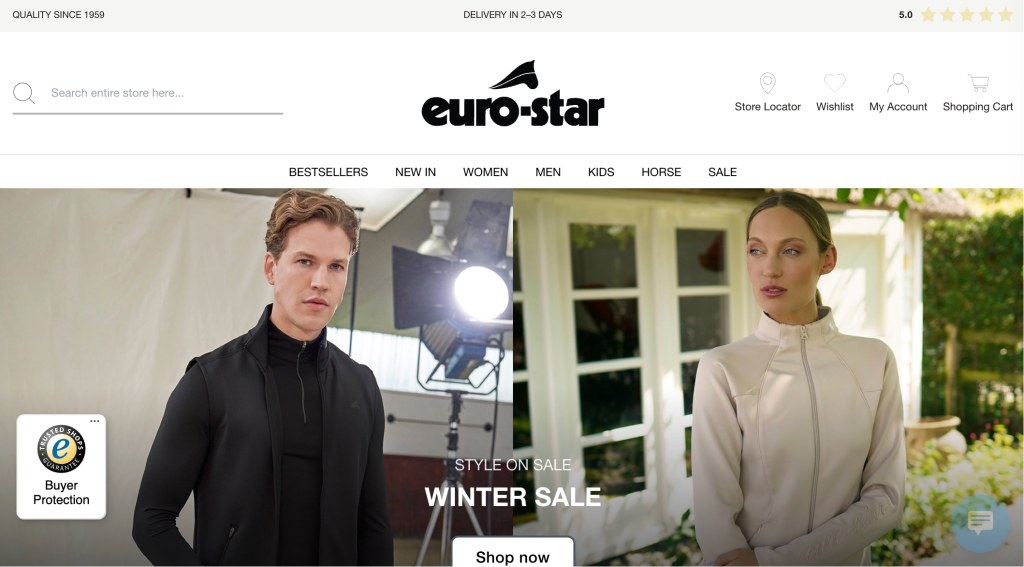
Founded: 1959 | Headquarters: Europe (German atelier roots)
euro-star is a performance-oriented equestrian apparel brand built around technical breeches and modern riding sportswear. With roots connected to German craftsmanship traditions, the brand emphasizes fit engineering, flexibility, and arena-ready functionality.
Known primarily for its riding breeches and athletic silhouettes, euro-star serves riders seeking sport-driven apparel that balances technical stretch with refined European styling. The brand reflects a long-standing commitment to competition-ready design within the equestrian clothing sector.
Founded: 1964 | Headquarters: Werther, Germany
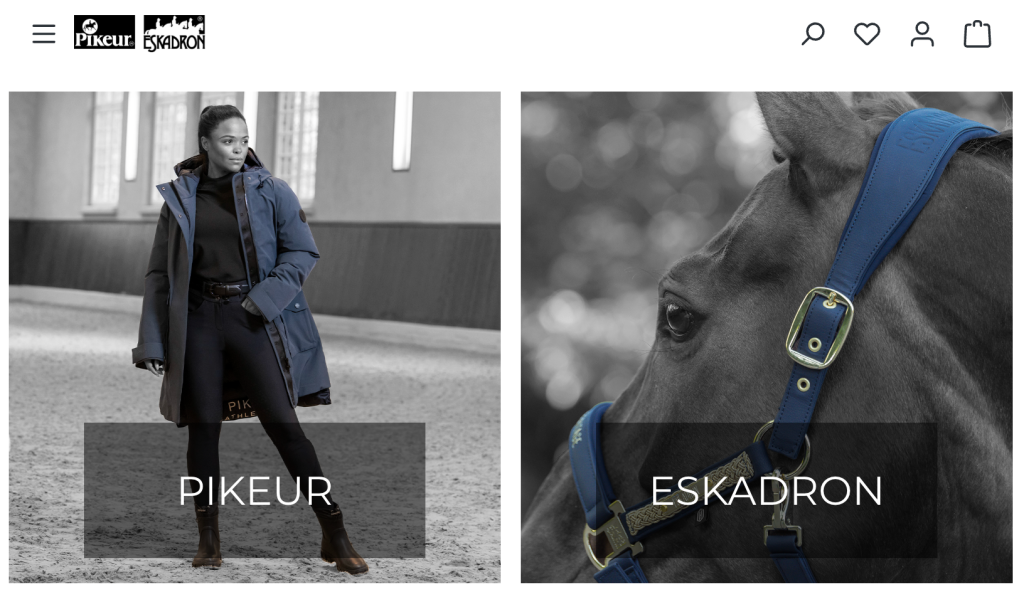
Pikeur is one of Germany’s most established equestrian apparel brands, closely associated with structured competition wear and precision tailoring. Since the 1960s, the brand has played a significant role in shaping modern European show fashion.
Its collections focus on breeches, show jackets, and performance layers designed for dressage and show jumping disciplines. Pikeur represents the premium German equestrian fashion tradition, where biomechanics and classic presentation standards intersect.
Founded: 1966 | Headquarters: Bisingen, Germany
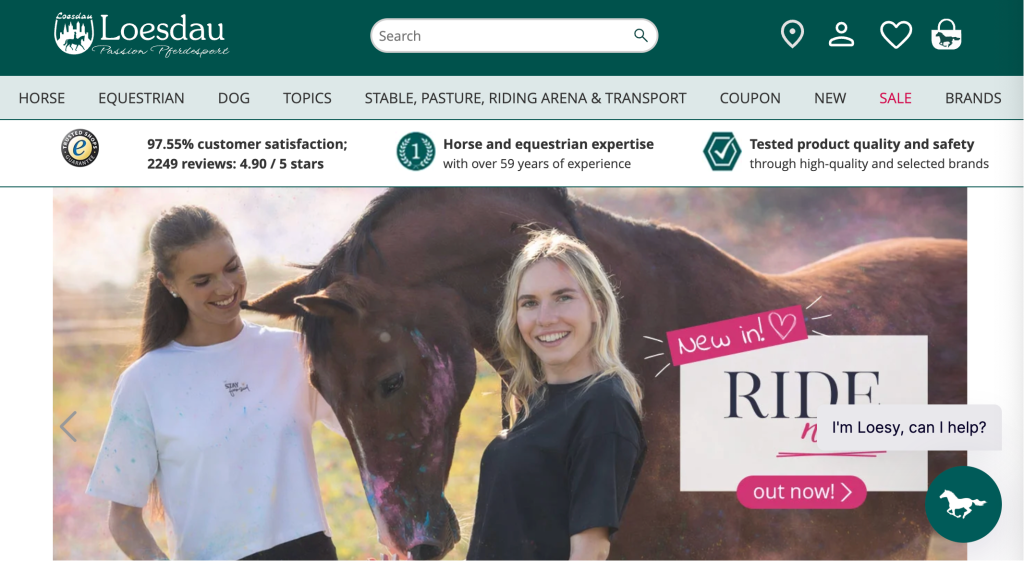
Loesdau began as a German equestrian retailer and gradually expanded into private-label riding apparel. Its clothing lines are widely distributed across Germany through both physical stores and online platforms.
The brand emphasizes affordability, broad sizing, and practical riding basics. Loesdau plays a key role in supporting grassroots participation within the German equestrian market.
Founded: 1973 | Headquarters: Lohne, Germany
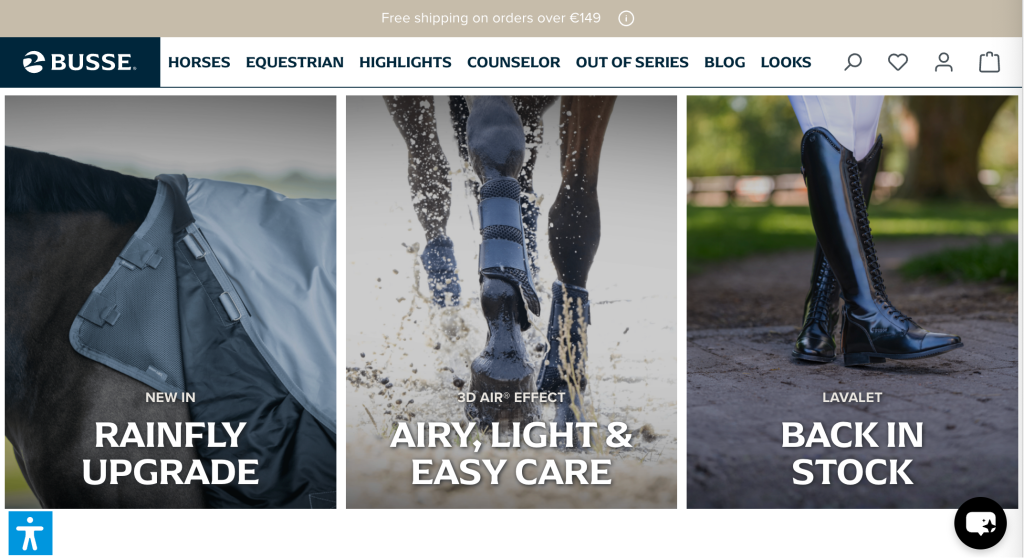
Busse Reitsport is a German equestrian brand offering both equipment and rider apparel. Since the 1970s, it has focused on practical riding wear suited to daily training and stable work.
The clothing collections prioritize durability, weather resistance, and functional design. Busse represents the reliable mid-range segment of the German equestrian apparel market.
Founded: 1977 | Headquarters: Herford, Germany
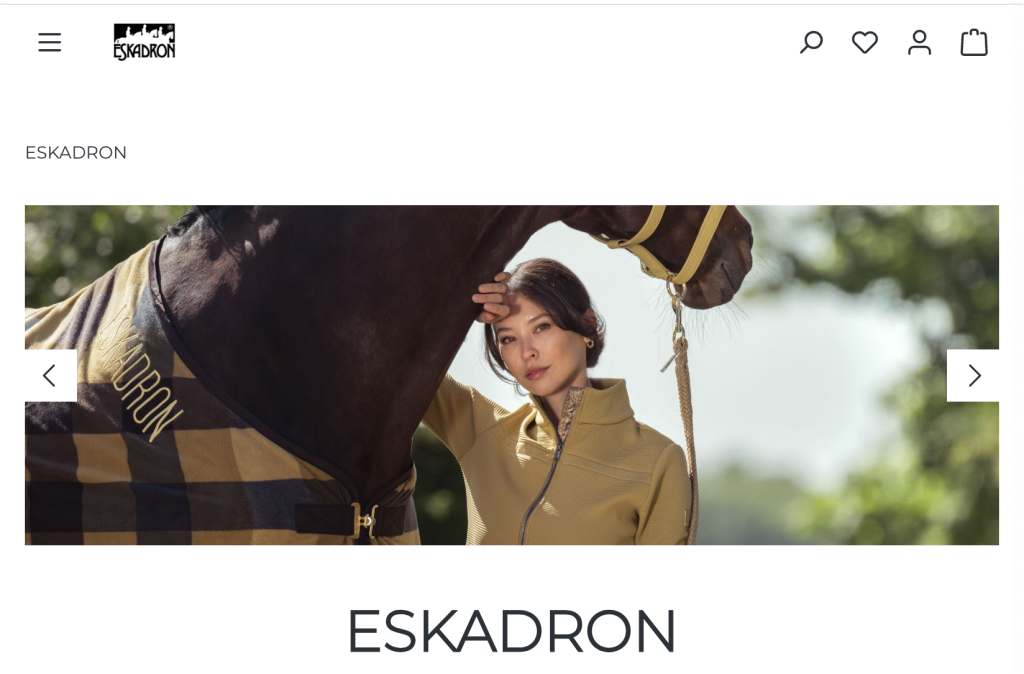
Eskadron is widely recognized for its coordinated horse-and-rider collections. Established in the late 1970s, the brand developed a strong identity within the German equestrian industry.
In apparel, Eskadron emphasizes seasonal collections and cohesive styling that pairs rider clothing with horse equipment. It represents a sport-lifestyle approach within the European riding fashion landscape.
Founded: 1978 | Headquarters: Bad Oeynhausen, Germany
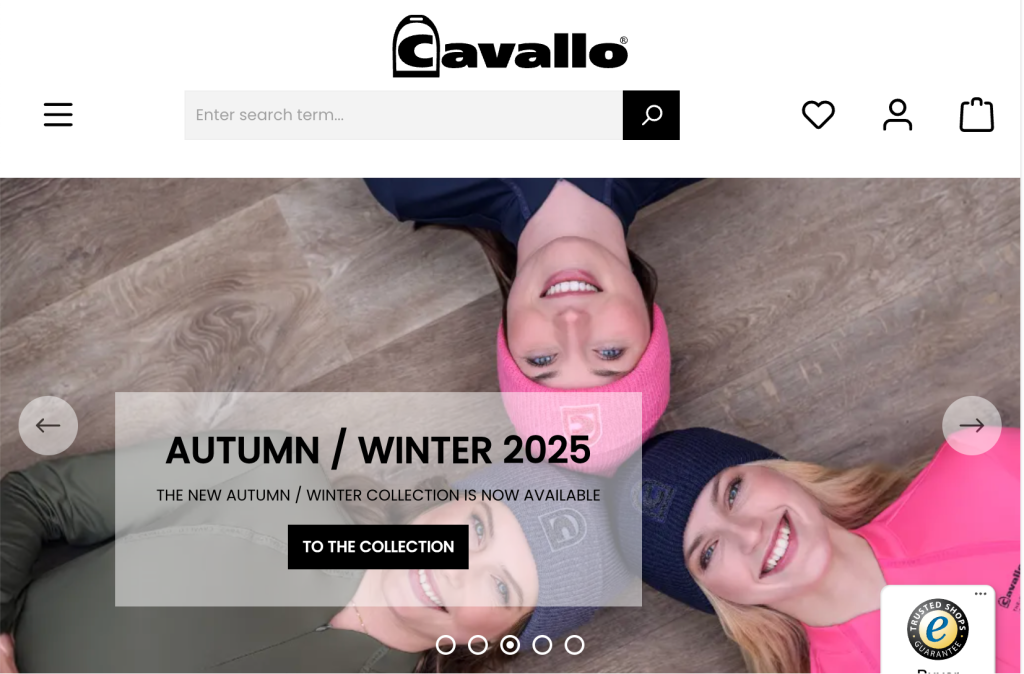
Cavallo originated as a riding boot manufacturer before expanding into full equestrian apparel collections. The brand maintains a strong association with German craftsmanship and performance sport.
Its clothing line includes structured show jackets, breeches, and premium training wear designed for competitive riders. Cavallo stands as a respected name within Germany’s premium equestrian apparel segment.
Founded: 1982 | Headquarters: Neuenhaus, Germany
HKM is a German equestrian brand offering a wide range of riding apparel and accessories. Since its equestrian focus expanded in the early 1980s, the company has grown into a major supplier across Europe.
The brand is particularly known for affordable breeches, seasonal collections, and accessible competition wear. HKM serves recreational riders and riding schools seeking practical solutions at competitive prices.
Founded: 1989 | Headquarters: Cologne, Germany
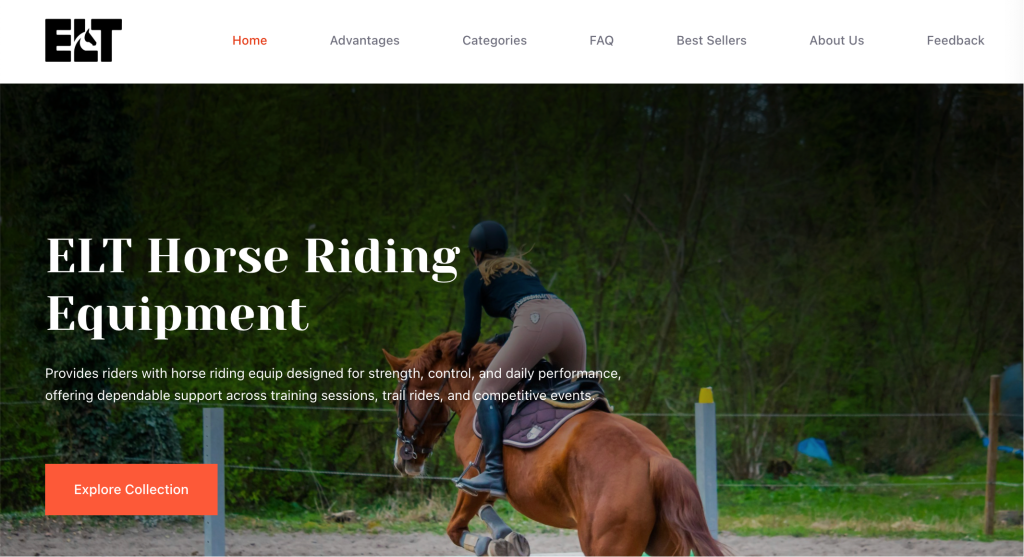
ELT is a German riding apparel brand positioned in the accessible segment of the market. Since its late-1980s beginnings, it has focused on practical breeches, show jackets, and stablewear.
The brand’s collections emphasize affordability and everyday usability. ELT remains popular among recreational riders and entry-level competitors within the German equestrian community.
Founded: 2005 | Headquarters: Mühlen, Germany
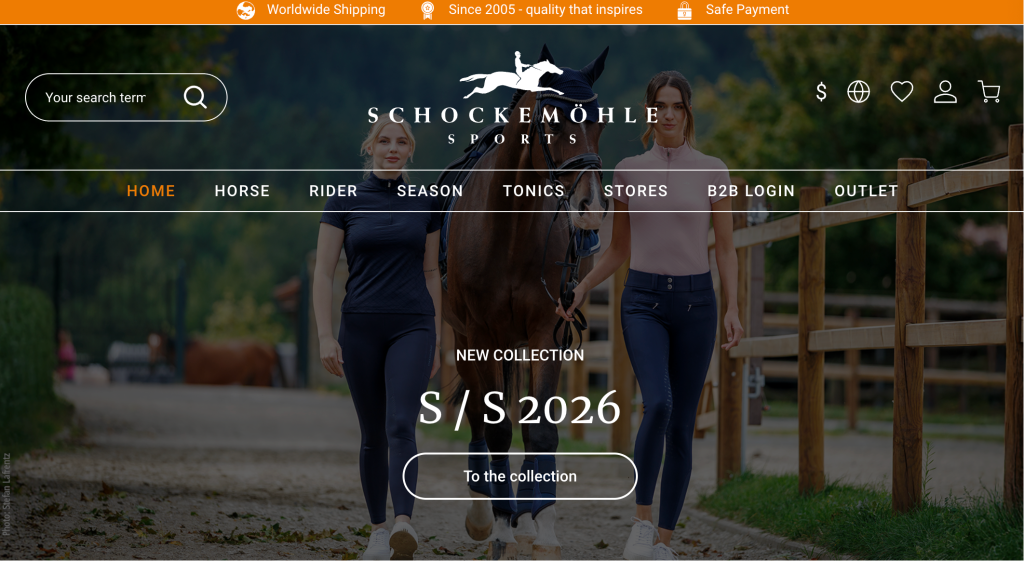
Schockemöhle Sports is a German equestrian brand established in the mid-2000s with a focus on performance sport. The label integrates rider apparel alongside equipment within its portfolio.
Its clothing emphasizes athletic mobility, competition suitability, and modern design elements. The brand appeals to riders seeking sport-oriented apparel with a professional aesthetic.
Founded: 2005 | Headquarters: Germany
Schockemöhle Sports positions itself as a performance-oriented equestrian brand.
Drawing from professional sport experience, the company develops both rider and horse equipment with a focus on functionality and durability. Its product range supports training and competition environments, appealing to riders who value sport-driven design rather than fashion-led collections.
Germany’s equestrian apparel industry is one of the most structurally organized markets in Europe. Unlike lifestyle-driven fashion sectors, German riding wear is segmented based on technical performance, competition level, material innovation, and pricing strategy.
This tiered ecosystem explains why Germany produces both globally recognized premium German equestrian fashion brands and some of the most competitive affordable equestrian apparel brands in Germany.
Representative Brands:
Germany’s premium segment is defined by brands that combine technical engineering with heritage tailoring. These are widely considered the leading premium German equestrian fashion brands in the global market.
In this tier, breeches are engineered with precise silicone full-seat mapping to enhance saddle grip without restricting hip mobility. Jackets often incorporate breathable mesh underarm panels while maintaining a traditional show silhouette.
Representative Brands:
The mid-range tier bridges elite performance and commercial scalability. While not always classified as ultra-premium, these brands deliver high functional standards at more accessible price points.
This segment dominates sales volume in Germany and serves as the backbone of the competitive equestrian apparel market.
Representative Brands:
Germany is also home to some of the strongest affordable equestrian apparel brands in Germany, offering technical essentials at competitive price points.
This tier lowers the barrier to entry into competitive equestrian sport, sustaining Germany’s strong grassroots riding culture.
German equestrian fashion is currently undergoing a transformation that balances heritage craftsmanship with modern textile science. The next wave of innovation affects both premium German equestrian fashion brands and the fast-growing segment of affordable equestrian apparel brands in Germany.
Sustainability is no longer niche—it is becoming a baseline expectation in the German market.
Brands such as Equestrian Stockholm and Maximilian Equestrian integrate:
Even mid-range and affordable equestrian apparel brands in Germany are beginning to introduce recycled capsule collections to remain competitive.
Modern German breeches are evolving toward performance athletic wear. Inspired by cycling and running apparel, many brands now incorporate:
Graduated compression zones
Sculpted waistband support
Enhanced muscle stabilization fabrics
This innovation is particularly prominent among premium German equestrian fashion brands that position riding as a high-performance sport rather than leisure activity.
Germany’s seasonal variation drives strong demand for adaptive outerwear.
Technical improvements include:
10,000mm+ waterproof membranes
Breathable insulated long coats
Windproof softshell competition jackets
Brands like Mountain Horse (strong German presence) and HKM Sports Equipment are particularly active in this segment.
Silicone seat technology has matured significantly.
Modern developments include:
Grip density mapping along adductor zones
Matte-finish silicone for elevated aesthetics
Balanced adhesion to prevent over-gripping
This refinement enhances rider stability without restricting pelvic mobility — a key biomechanical improvement.
German equestrian fashion is increasingly shaped by:
Instagram-based product launches
Rider ambassador programs
Direct-to-consumer e-commerce strategies
Newer brands, especially in the premium German equestrian fashion brands category, leverage digital storytelling to compete with heritage manufacturers.
The German equestrian apparel market thrives because it supports both ends of the spectrum:
Globally respected premium German equestrian brands setting performance standards
Highly competitive affordable equestrian clothing brands in Germany sustaining grassroots participation
This dual strength ensures that Germany remains one of the most influential equestrian fashion markets worldwide.
If you’re not only shopping but also sourcing equestrian clothes, it helps to understand how European brands position their collections—fit, function, fabrics, and branding.
At Kala Apparel , we focus on equestrian clothing development and manufacturing, especially performance-driven pieces like base layers, breeches/tights, and riding jackets. If you’d like to benchmark fabrics, patterns, or build a differentiated collection for your market, you can explore our resources on the site.
The content is developed by Kala Apparel, specializing in equestrian clothing design and manufacturing. The team works closely with riding brands and equestrian projects, focusing on functional design, rider safety, and material performance across different riding environments.