Kala Apparel - 10+ years premium clothing manufacturer

Share

Horse Riding Clothing Explained for Beginners

Starting horse riding is exciting, but many beginners feel unsure about one simple question: what should I wear?

Horse riding clothing looks different from everyday sportswear, and understanding the basics can make a big difference in comfort, safety, and confidence—especially during the first few rides.

This guide explains horse riding clothing from a beginner’s perspective, focusing on what really matters at the start and what can wait until later

What Is Horse Riding Clothing?

Horse riding clothing refers to clothing designed specifically for riding a horse, taking into account posture, movement, safety, and contact with the saddle and equipment.

Unlike regular athletic wear, horse riding clothing is made to:

  • Support a seated riding position

  • Reduce friction between the rider and the saddle

  • Allow controlled leg and arm movement

  • Perform well in outdoor riding environments

As riders gain more experience, they may encounter the term equestrian apparel, which is commonly used to describe the professional and sport-specific side of horse riding clothing.

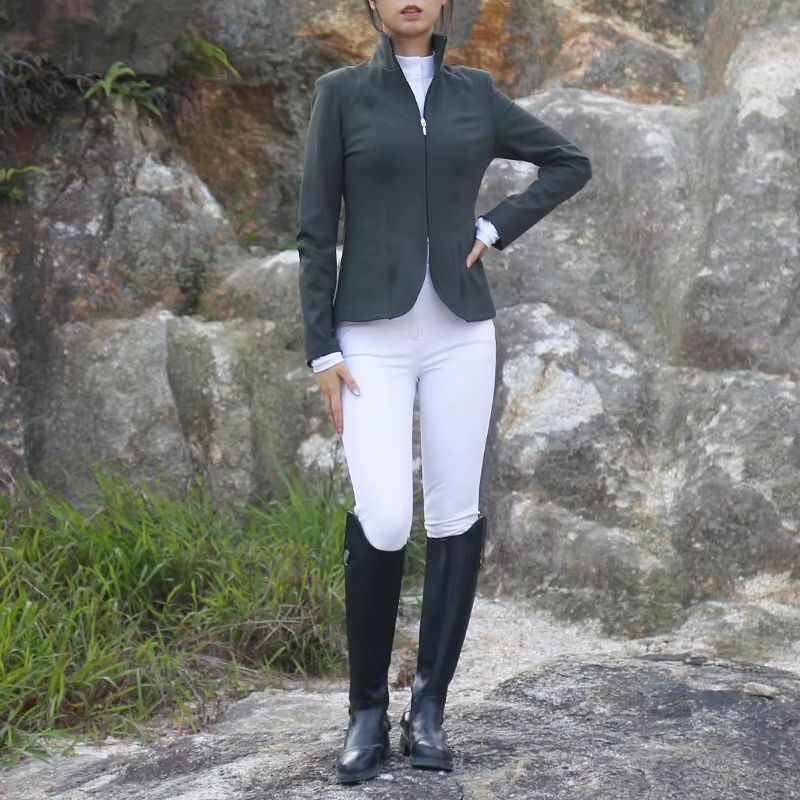
horse riding clothing

Why Beginners Should Pay Attention to Riding Clothing

For beginners, riding clothing is not about looking professional or owning expensive gear. It is about feeling comfortable and secure while learning.

Wearing unsuitable clothing can:

  • Cause discomfort or chafing

  • Make it harder to maintain balance

  • Create distractions during lessons

  • Increase safety risks, especially around stirrups and reins

The right clothing helps beginners focus on learning how to ride, rather than worrying about what they are wearing.

Why Regular Sportswear Is Often Not Enough

Many beginners assume that gym clothes or yoga leggings are good enough for horse riding. While they may feel comfortable at first, regular sportswear is not designed for riding-specific movements.

Common issues with regular sportswear include:

  • Slippery fabric in the saddle

  • Seams that cause pressure points

  • Lack of structure in the lower leg

  • Shoes that are unsafe for stirrups

Horse riding clothing is designed around the realities of riding, which makes a noticeable difference even for first-time riders.

Essential Horse Riding Clothing for Beginners

Beginners do not need a complete riding wardrobe. Starting with a few key essentials is usually enough.

Riding Helmet: Safety Comes First

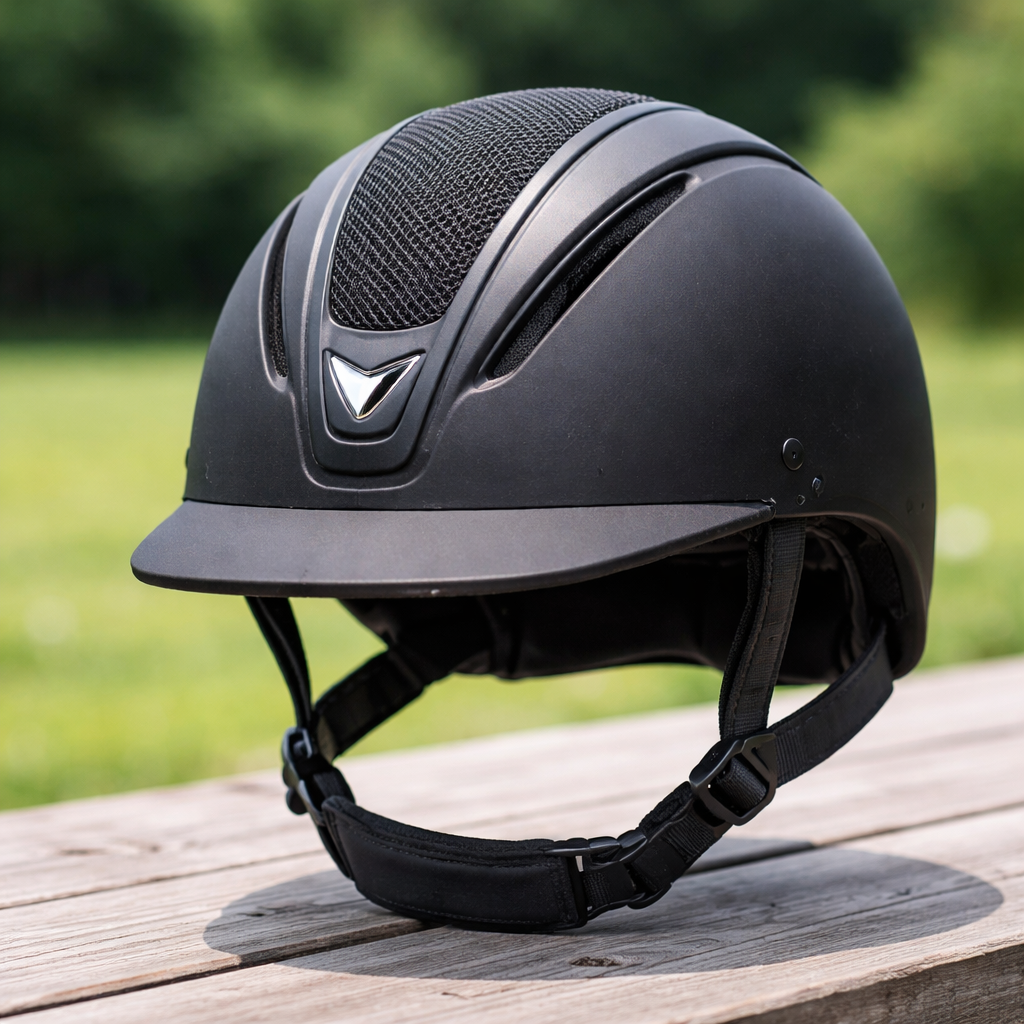
A riding helmet is the most important item for any beginner. It protects the head in case of falls or sudden movements from the horse.

A proper riding helmet should:

  • Fit snugly without discomfort

  • Stay secure when the head moves

  • Be designed specifically for horse riding

Many riding schools provide helmets for beginners, but fit and safety should always be the priority.

Footwear: Why Proper Shoes Matter

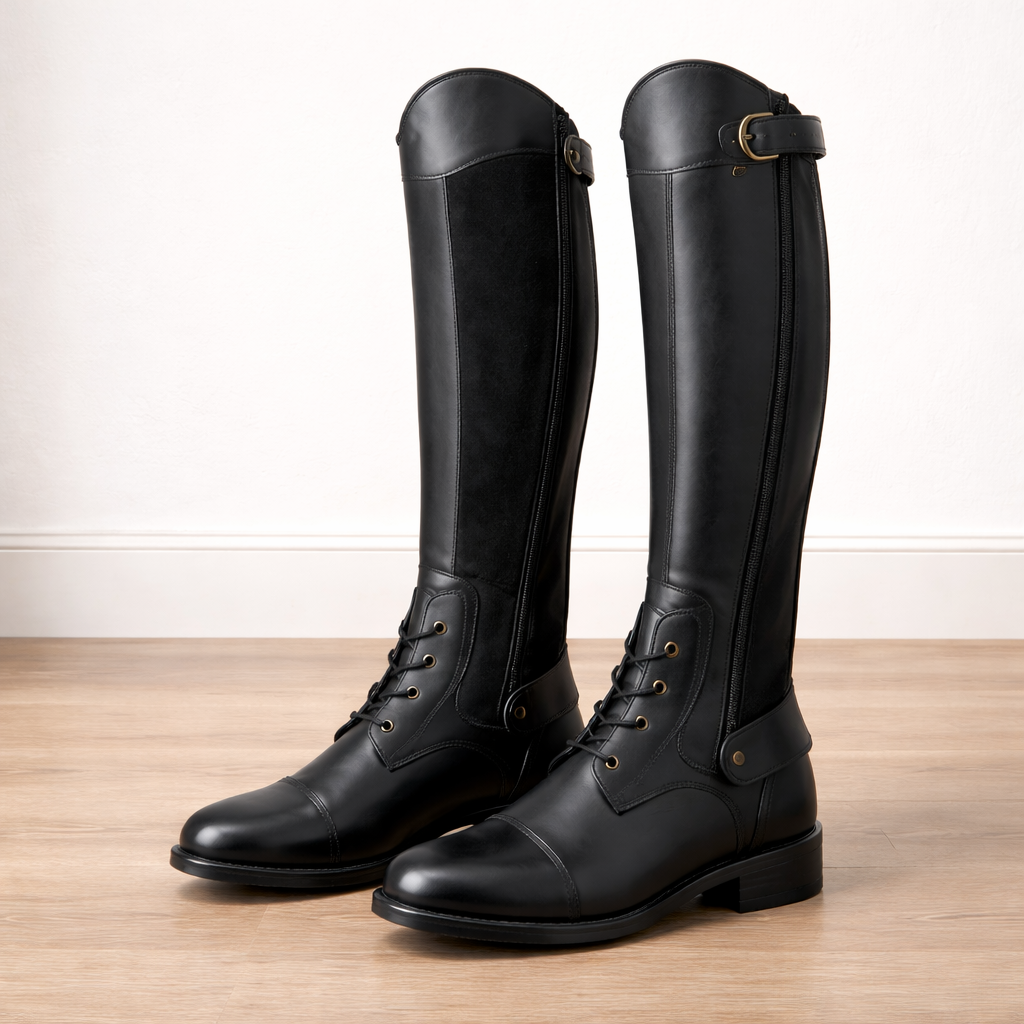
Footwear plays an important role in safety. Riding boots or paddock boots are designed to protect the foot and help keep it secure in the stirrup.

Beginner riders often use:

  • Paddock boots

  • Short riding boots with a small heel

Shoes without a heel or with very soft soles are not recommended, as they can slip through the stirrup.

Upper Body: Keep It Simple and Comfortable

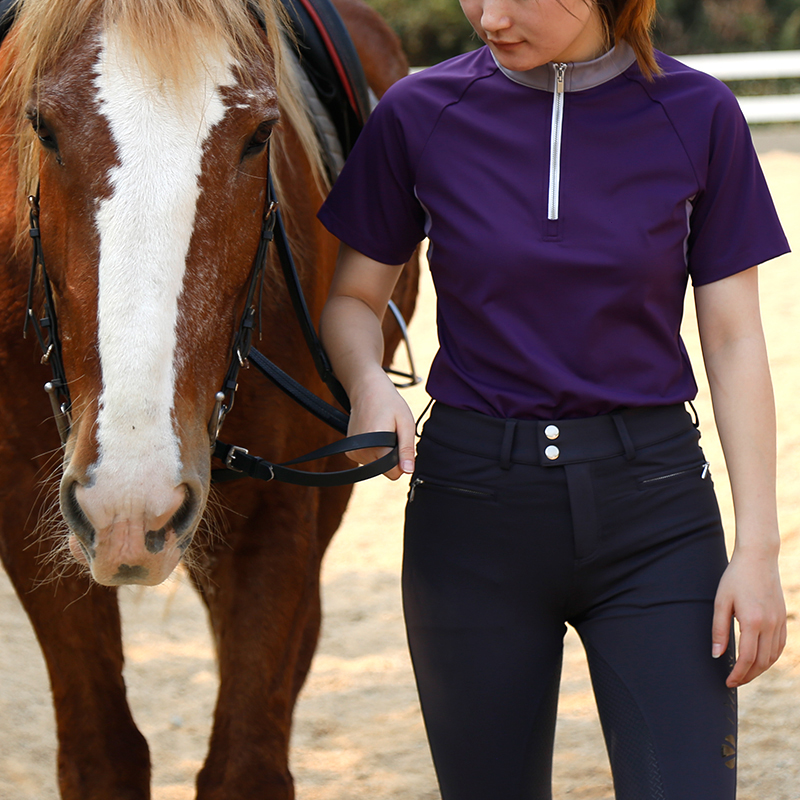
For the upper body, beginners should focus on comfort and freedom of movement, not style or layering systems.

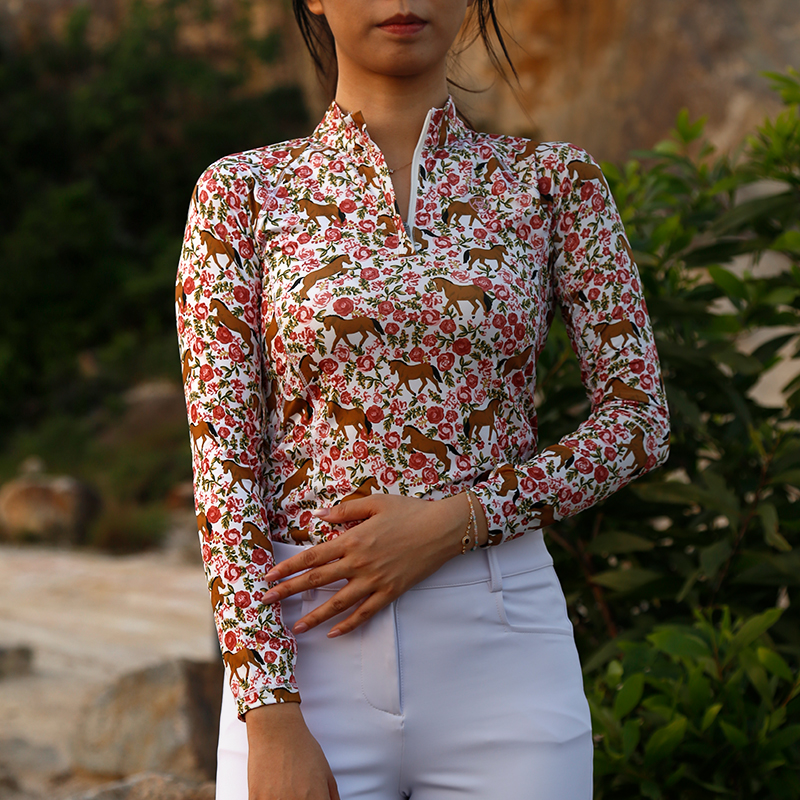
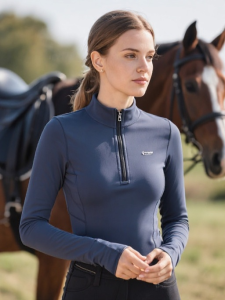
Simple riding tops or lightweight base layers work well for most beginners. These help manage body temperature and allow natural arm movement when handling the reins.

Very loose or bulky clothing is generally not recommended, as excess fabric can interfere with riding position or equipment.

Lower Body: What Beginners Usually Wear First

Lower-body clothing is one of the areas where beginners notice the biggest difference.

Most new riders start with:

  • Breeches

  • Jodhpurs

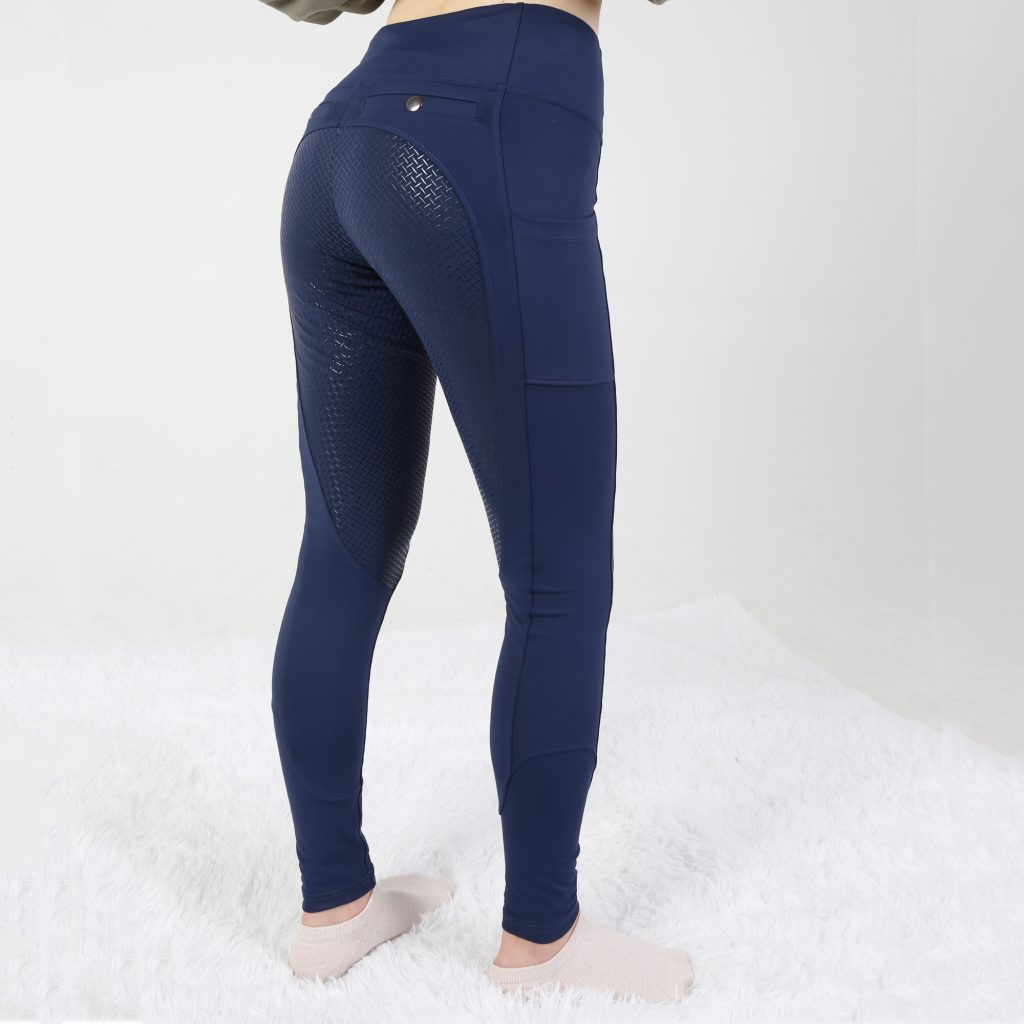
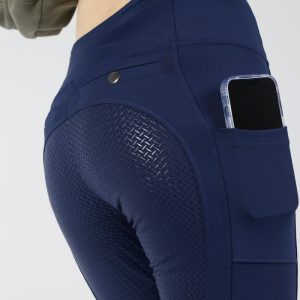
  • Riding tights or leggings designed for riding

These options are made to reduce friction, allow flexibility, and help riders feel more stable in the saddle. At the beginner stage, fit and comfort matter more than the specific style. Riders can explore different options later as they gain experience.

What Beginners Should Avoid Wearing

To stay safe and comfortable, beginners should generally avoid:

  • Loose scarves or dangling accessories

  • Very stiff jeans or short shorts

  • Shoes without a heel

  • Bulky outerwear that restricts movement

Simple, fitted, and functional clothing works best for learning.

Optional Items That Can Improve Comfort

Some optional items can make riding more comfortable but are not always necessary at the beginning:

  • Riding gloves for better rein grip

  • Riding socks to reduce friction inside boots

These can be added over time based on personal comfort.

Getting Started with Horse Riding Clothing

For beginners, horse riding clothing does not need to be complicated or intimidating. Starting with a few well-chosen essentials helps new riders feel safe, comfortable, and focused on learning rather than worrying about equipment.

As experience grows, clothing choices naturally become more refined. Many riders gradually explore different styles, fabrics, and discipline-specific apparel over time. For now, understanding the basics and dressing appropriately is more than enough to enjoy the first steps of horse riding with confidence.


Frequently Asked Questions

Do riders need different jackets for different seasons?

Yes. Seasonal changes often require different jacket types to maintain comfort.

Can riding jackets be used for stable work?

Many training and waterproof riding jackets are suitable for stable use.

Are competition jackets suitable for everyday riding?

Competition jackets are typically reserved for shows rather than daily training.

Kala Apparel
Professional Equestrian Clothing Manufacturer

The content is developed by Kala Apparel, specializing in equestrian clothing design and manufacturing. The team works closely with riding brands and equestrian projects, focusing on functional design, rider safety, and material performance across different riding environments.

Leave a Reply

Your email address will not be published. Required fields are marked *